Welcome to a new week of WWW Wednesday! This meme is hosted by Sam at Taking on a World of Words. In it, we answer three questions and leave a link in the comments sharing our own posts for other bloggers to view.
I just finished two books over my weekend of traveling to and from Dallas, Texas, for a family reunion. Yay for car reading. I posted my reviews for both The Midnight Library by Matt Haig and The Future is Yoursby Dan Frey yesterday to my blog. They are drastically different books, one fantasy of a very philosophical nature and the other science fiction dealing with the ethical conundrums sparked by technological innovation. On the whole, I enjoyed both of them, so it was a good reading week.
What am I currently reading?
In hardback, I’m reading Homegoingby Yaa Gyasi. Seriously, this book has a 4.46 on goodreads out of 213,158. I’m on page 1, so give me time to develop a sense, but this is the kind of book that typically makes me gush with praise and wax poetic after finishing, so I’m very excited to dig into it. On audio, I’m currently reading a delightfully creepy modern gothic fairy tale called House of Hollowby Krystal Sutherland. From the reviews I see, this is one to stick with you. Eerie, twisted, shocking are some words I see scattered about. I’m about 1/3 of the way into it, and so far I agree. And how beautiful is that cover? The whole thing just sucks you in and won’t let go. Props to Sutherland for her seriously strong prose. I find this to be a joy to read. Looking forward to keeping going with the audio.
What Will I Read Next?
SO MANY CHOICES! I’m at a bit of a breaking point. I’ve put so many things on hold and now they are all coming available both at the library on the hold shelf and on overdrive, so I’m drowning in choices. So I think I’m going to do something a bit different this time. I’ll post a gallery of the choices that are on my to-read ASAP list and say I have no idea which two I will pick, but I will pick two of them to start on after finishing the two H’s up above. Have you read any of these? Is there one you recommend I pick? Tell me in the comments. Until we meet again, happy reading!
I’ll start my review by saying this book is perfect for the “Book About Technology” category for the 52 book reading challenge. (#45) It’s not only about technology, as technological achievement is the driving force of the plot, but it’s told using technological methods. Meaning the entire book is told through text messages, emails, transcripts, blog entries and newspaper articles. It’s not so much a linear narrative as it is a piecemeal of evidence of something transpiring. The reader has to piece together these into the cohesive narrative. It feels a bit like doing a research project, to be honest. Hold on, let’s back up before you have to do the same thing with my review.
Synopsis
Ben Boyce and Adhi Chaudry, two best friends from college, have only one thing in common. They are immersed in the Silicon valley tech world. Adhi is an introverted genius who would prefer to be left alone so he can create something amazing. He’s always felt his creative potential stifled, whether it be in a university setting or in the corporate setting at Google. Ben is an out of control arrogant entrepreneurial douche canoe incapable of thinking about anyone but himself. Oops… did I type that out loud? Anyway, Ben is vile and Adhi deserves better friends. We glean from the snippets of communication that Adhi creates a quantum computer (not without the help of stolen Google technology) that can communicate with its future self. Ben sees dollar signs and convinces Adhi to go into a startup with him so that they can produce and market the technology for public use so that everyone can see the future. Things begin to go south in several different ways, and the whole thing culminates in a dramatic and quite shocking conclusion.
“Technology is a useful servant but a dangerous master.”
– Christian Lous Lange
Review
For the story, I wound up liking the format. Firstly, this book read incredibly quickly for its length, as there wasn’t really all that much text on each page. Going into it, I thought character development would suffer because of the format, but I really don’t think it did. It’s to Frey’s credit, because it takes some serious skill to make that kind of thing work. Don’t get me wrong, I didn’t really like the characters. I positively detested Ben, if you hadn’t already gleaned that. I think we were supposed to hate him, which then gives me a certain theory about the end that I really shouldn’t go into, because it would be a huge spoiler. Ok, I’m adding that spoiler to my goodreads review, so if you want to know my thoughts on the end, click here and enter at your own risk if you haven’t read this book.
There’s some personal soap-style drama in this. A is friends with B and B is married to C but B is sleeping with D and A is in love with C and C just wants to do her damn job. And that all just got even more confusing than the quantum physics. As for the quantum physics and the technology aspects, I can’t really wrap my head around any of it without it exploding. Truly, I can’t get past the logic aspect of communicating with the future. I think Frey did a passable job of explaining things considering the format of the book. Conveniently, he was able to redact certain portions of transcripts and public records for containing sensitive data that couldn’t be disseminated to the public. This saved him the long drawn out tech-y jargon that usually accompanies technology-driven science fiction. This didn’t bother me. Someone who loves hard sci-fi with intricate scientific detail might call it lazy. I don’t have that hangup, because I wouldn’t understand it anyway.
Some sections of this narrative were stronger than others. For instance, I didn’t feel like the transcripts from the congressional hearings felt very authentic. It’s where Ben sounded the most juvenile, and they just didn’t read like congressional hearings to me. My favorite portions, which weren’t very frequent, were the Tumblr blog posts from Adhi as his alter-ego, Dr. Dark. This is where we were introduced to the more philosophical aspect. There were some profound discussions of ethics and morality using classic science fiction like Mary Shelley’s Frankenstein, Dr. Who, Star Trek, Star Wars and Buffy. These were more in my wheelhouse than the tech lingo. An added bonus for these posts is that they helped us more intimately understand Adhi as a character. Reading someone’s secret Tumblr posts is like reading their diary, a gateway into their innermost thoughts.
Overall, this is an enjoyable read. It’s quick and not too heavy on the jargon, so it’s appropriate for casual, sporadic science fiction readers. I give it 3 stars.
⭐⭐⭐
Rating: 3 out of 5.
Published Feb 9 2021 by Del Rey Books. ISBN 0593158210. Hardover, 352 pages.
For the #3 spot on the 52 book reading challenge, the selection is “Goodreads winner in 2020.” The top spot for favorite fiction selection was The Midnight Library: A Novelby Matt Haig. This is the first Haig novel I’ve read, though he’s far from new to the scene. Sorry, I’m always just a little bit behind since the last few years my reading has suffered. The reviews for this book are all over the map, really. It seems readers either love it or hate it, so let’s get into my thoughts, shall we?
Synopsis
Nora Seed finds herself awash with regret after she looks back on her life and believes she’s made all the wrong choices. She’s given up numerous career pathways that could have served her well, she’s lost all the people she loves in one way or another, and now she’s officially unemployed and crippled by anxiety. She swallows a handful of pills and slips away only to wind up in the midnight library, a place between life and death that allows Nora the opportunity to visit an infinite number of different versions of her life. She can choose a regret to undo and see how her life played out in that timeline. As Nora drifts from one life to another, on and on, surprising things begin to happen within her that will challenge her notion of what it means to find contentment, and will alter her perception of life as she knows it.
“Between life and death, there is a library, and within that library, the shelves go on forever. Every book provides a chance to try another life you could have lived. To see how things would be if you had made other choices… Would you have done anything different, if you had the chance to undo your regrets?
– Matt Haig, The Midnight Library
Review
First of all, most of the negative reviews I see of this book are wrapped up in the idea that the book didn’t really come to a startling and exciting conclusion. It’s a bit predictable, yes. It’s also a bit sentimental. But let me tell you why I don’t see that as problematic. This book is about a mental health journey. It’s not so much about the destination. It’s not a thriller. Truly, I believe there are people in this world in a similar place as Nora who need to read this book and experience her journey. If you’re in a great place in your life and everything seems perfect or, if not, perhaps you gravitate toward overt cynicism, this book may not be for you. And there’s nothing wrong with that. Move on and pick up some Gillian Flynn. I don’t think this book is a masterpiece, but I feel it has some extreme value for the people who need something heartfelt and uplifting.
On the whole, I think this is a great concept, and it’s a very inventive twist on the alternate timeline motif. Honestly, I kind of hope we all do get a chance to stop in our own little versions of purgatory to have a journey of “what-ifs.” I would love to see what my life would have looked like had I taken a few different turns. I think we all have multiple regrets, some big and some small, that we play in our heads on a loop. And if you’ve ever truly had this experience, this book would really make you consider which choices you’d undo. For my part, I also considered who it was who touched my life many years ago who would wind up in charge of my special place. I’m positive I know who it is. He was a professor at my University during my undergrad. I’ll call him Dr. B.
While Dr. B wasn’t my advisor, he invited me to his office one day after class to chat about my potential future. He was interested in what I planned. He thought I had promise in the English department and we talked for quite some time. He urged me to go somewhere great for my graduate work. He told me I could aim higher, and I needed to if I wanted a really great career at a great University. I never forgot the wonderful advice I got from Dr. B. The problem is, I didn’t wind up following his advice and that wound up being my strongest and longest lasting regret. A few years ago, I looked him up and found out he died in 2009 of cancer at the age of 60. Suffice to say, it wasn’t difficult to figure out who my Mrs. Elm would be in my midnight library. Who would your Mrs. Elm be? Feel free to share in the comments if you’d like.
Back to the book, this is a fast read. The pacing is excellent, and it really manages to keep your attention throughout. I listened to it. Occasionally, I found Carey Mulligan’s recitation to be a bit sleepy sounding, though not at all unpleasant. I definitely never found myself bored. It’s quite a lyrical novel with strong, well developed characters. Considering this is a book with alternate timelines, there are often different versions of the same characters in the different timelines. As these characters had taken different pathways based on Nora’s choices, there were slight variations in their character. I thought Haig handled this quite well, and the slight adjustments to their personalities and their states of mind depending on where in life they were at the time were quite believable.
In short, I see why this book is so popular. It’s highly imaginative and engaging. For many people, it has great depth and meaning. Anything that helps you come to terms with your perspective on life in a way usually reserved for a therapist’s couch, is worthy of praise. I enjoyed this very much. 4 Stars.
⭐⭐⭐⭐
Rating: 4 out of 5.
Published Sept 29, 2020 by Penguin Audio. ISBN 9781786892737. Runtime 8 hrs, 50 minutes. Narrated by Carey Mulligan.
The first volume of this three part set of graphic novels was released in 2013. The second and third volumes came later in 2015 and 2016, respectively. The synopsis for book three of the series states that the aim of the three authors, including civil rights icon John Lewis, was to “bring the lessons of history to vivid life for a new generation, urgently relevant for today’s world.” Those words are absolutely achingly true. For the purposes of this review, I will just be focusing on this first volume, but all three are important for understanding the historical and cultural significance of the impact John Lewis had for the civil rights movement.
Synopsis
Book 1 begins with John Lewis’s humble beginnings growing up in Troy, Alabama. It discusses his call to religion and his subsequent call to activism following his introduction to Martin Luther King, Jr., and other inspirational leaders of the civil rights movement. These individuals encouraged a push for change through peaceful protest. We get to see, through his perspective, the harrowing test that he and fellow activists endured when they staged the famous sit-ins at lunch counters across the deep south. They faced harassment, physical violence, and arrest, but they never backed down from their cause. Book 1 ends on the steps of city hall with a powerful scene in which the fruits of their labor are finally realized as foes slowly turn into allies after people in power gain the courage to stand against the loud voices working against progress.
Review
There are many great books about the Civil Rights movement. There are numerous titles for adults and mature teens who want to learn about the history of the movement and the courage of the people who inspired it and followed it. But there’s something incomprehensibly powerful about the format for these books. Comics and graphic novels are immeasurably popular with a younger demographic. In the 1950’s, kids like John Lewis were introduced to a comic called Martin Luther King and the Montgomery Story. Those boys and girls went on to change history. The inspiration they gleaned from a comic book sparked a fire of purpose within a generation of children.
Today, we find ourselves at a precipice. Our young people are growing up in a world in which they see two sides across a divided line seething with judgment and resentment. They see anger, fear, and death. They see broken people fighting forces they don’t understand simply because they are afraid and were never instilled with the principles of grace and compassion. But once again, if it makes its way into their hands, they can see a history that’s full of change brought about by love and by peace. They see people who succeeded in changing the world not by slashing and burning but by standing strong in the face of evil, arm in arm with people who share the same passion. They had power because they had something worth fighting for, and they were prepared for the push back.
So my review for this book is not simply that it’s a brilliant, authentic, and deeply personal memoir from one of the most important figures in American civil rights history. It is all those things and more. The value this book holds is that it comes at a vitally important time. It’s a testament to the fact that times have always been tough. Maybe they always will be, but there’s another way to bring about change. There will always be people resistant to change. But as long as we have people who will stand alongside one another linked by love and a desire to heal rather than hurt, we will always keep moving forward instead of backward.
As far as content, this book is superb. It is an unflinching look at the period, however. It has some very foul language, but don’t use that as a reason not to let the young people in your life read it. This story would lack the power if Lewis had taken out the racial slurs. A cut can’t heal without the original slicing of the blade. This book shows the power of words, both to wound and to heal. We have to experience the bad or we could never understand the necessity for the good. Children will learn these words one way or another. It’s best for them to learn it in a format that helps them understand the gravity of the words so that they better understand why they are never to be uttered. This book is beautiful, powerful, and the artwork really helps bring the history to life. I highly recommend this series.
⭐⭐⭐⭐⭐
Rating: 5 out of 5.
Published August 13 2013 by Top Shelf Productions; ISBN 1603093001; Paperback; 128 pages. Place in reading challenge: #15 – Own Voices Story.
Faye, Faraway is the debut novel by British author, Helen Fisher. It’s a relatively short read at just under 300 pages, and I managed to read it in about three sittings before bed. This is low fantasy, and it focuses more on the human aspects of the story, predominantly grappling with grief and loss into adulthood as well as coming to terms with unknown elements of one’s past.
Synopsis
Faye is a happily married mother of two little girls, Esther and Evie. Life is pretty much perfect, except for the fact that she hasn’t yet figured out how she feels about her husband, Eddie’s, plan to become a vicar. She has a good job that she enjoys, and her life has felt complete except for one very important aspect. She lost her mother under very strange circumstances when she was 8 years old. Now in her thirties, she still doesn’t understand exactly what happened to her mom all those years ago. One day, after coming across an old picture of her as a child sitting inside the box to a space hopper toy from the 1970’s at Christmas, she finds the very same box in the attic of her house. She steps inside the box and is transported back through time to 1977, a time before her mother died. Faye realizes she can use the space hopper box to travel back in time to visit her mother and the pint-sized version of herself, stay as long as she likes, and only three hours have passed in the present by the time she returns home. Drama ensues in both timelines, and Faye begins to realize how dangerous her actions are. She fears the effect she will have on both the past and the future. Can she salvage a relationship she’s been mourning for 30 years without damaging the relationship between herself and the people she loves today?
Side note: I was an 80’s kid, and I wanted to know what a space hopper was, and I found it. Frankly, when I first started reading the book, I envisioned the product from the 80’s that was actually called a pogo ball. Here is a comparison of both just for fun, as well as a delightfully random story about a man who crossed the Alps by bouncing on a space hopper the whole way. Enjoy…
The pogo ball (left), from the 80’s, which I remember being terrible at, compared to the space hopper (right), which can evidently help you travel through time (the box, anyway) or across the Alps (the actual big hoppy balloon thing.) Can you blame me? The pogo ball really does look like a ringed planet… from space. Oh, nevermind.
Review
I really wanted to like this book a lot. I enjoy a great time travel novel, especially one with a pretty inventive premise, like this one. I kind of like the idea of the mode of time travel being tied to a sentimental object from childhood. I only wish it had been more of a sentimental object from her childhood. The toy, itself, didn’t really seem to be of that much significance to Faye as a child, so it’s really just that the box was the only thing left from that time period. It was a link to the past by its mere existence, which is ok but slightly less touching. Perhaps the roller skates would have made more sense, but then there’s the issue of the fact that Faye didn’t have the roller skates until Faye gave them to Faye and now my head has exploded because time travel gets confusing.
The writing is quite good and extremely lyrical. I didn’t have any issues with the pacing of the book, but something still felt a little off to me. Upon reflection, I think it all boiled down to characters. I didn’t dislike Faye, but I didn’t really like her either. I found her a bit difficult to gauge. Her motivations, especially, were a sticking point for me. And then she had a tendency to be a bit pretentious, especially with her mother. Like the scenes where she chided her for smoking pot and climbing trees. A woman who risked her life and safety to visit her long-dead mother in the past, with no regard for what would happen to her family back in the present, is lecturing said dead mother on the perils of marijuana? Plus, Faye of the present lives in a time in which we are growing to understand marijuana isn’t bad for you and, in fact, can be quite good medicinally. It’s quite grating when a character vacillates so quickly between juvenile recklessness and haughty pretension. Don’t get me wrong, I love flawed characters. I don’t want Faye to be perfect or make perfect decisions, but somehow this particular grouping of complex contradiction just didn’t work for me.
And that brings me to Eddie. I just plain didn’t like him. I’m not really sure why. He was presented as a good husband and father, but I didn’t find him believable. He was either hot or cold and rarely anywhere in between. His anger and aggression toward Faye in one part, in particular, was actually alarming, even if it came from a place of fear for her safety. And then he didn’t at all have the expected reaction to things Faye confessed, and that caught me off guard. Without giving spoilers, as well, I kind of hated the fact he was eventually given a big hero moment. I didn’t feel this was his story, and I felt that Faye was robbed of many essential powers right at the last second. Perhaps I’m the only one who felt this way, but it just didn’t sit well with me.
On another note, the ending did catch me quite off guard. Again, no spoilers… I felt like I probably should have seen it coming, but I simply didn’t. That is definitely to Fisher’s credit, because I do enjoy being taken by surprise. But I’m also left with so many questions now that the novel is over. And, I can’t really explain why without giving spoilers, but I don’t really feel like the ending was all that happy. Depending on your perspective, it’s either happy or incredibly tragic. I’m not really sure where I stand on that. Perhaps that is also to the author’s credit. What I thought would be a feel-good heartwarming story became somewhat muddled by intrigue.
One more thing: I’ve seen no other reviewers mention the Wizard of Oz parallels. Faye is swept up in a dangerous tornadic gust that blows her to another land. A pair of shoes/skates plays an integral part of her quest. And most glaringly, she’s orphaned and raised by Em and Henry, just like Dorothy Gale is raised by Auntie Em and Uncle Henry. Honestly, it’s subtle enough I’m not even sure it was intentional. I tend to overthink, and this is probably ridiculous.
Anyway, I did enjoy reading this but not as much as I’d hoped I would. Overall, 3 stars.
Welcome to a new week of WWW Wednesday! This is bookish meme is hosted by Sam at Taking on a World of Words. In it, we answer three questions and leave a link in the comments sharing our own posts for other bloggers to view.
I am almost done with both of my current selections. Hoping to finish Faye, Faraway this morning and get my review posted in the afternoon or evening. I’m enjoying this one. It’s a fairly light modern fantasy novel with time travel elements. It’s very much about coming to terms with grief and loss. I look forward to sharing my complete thoughts later. On audio, I have blazed my way through The Midnight Library this week. I should finish it either today or tomorrow, as I’m down to the last 3 hours of listening. It’s short to begin with, and I just started it on Monday. It’s amazing how fast you can get through an 8 hour book with a sizeable commute to work.
What have I just finished reading?
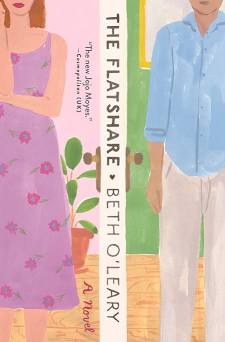
I just finished The Flatshare by Beth O’Leary, and posted my review on Monday. This was a really enjoyable, light summer read with just a tinge of heavy elements involving emotional abuse, just enough to make things a tiny bit disturbing but also to really humanize the characters in a genre where the deep stuff is often hidden beneath fluff. I look forward to reading more from O’Leary as buffers between some of my heavier reads. We all need a palate cleanser every now and again.
What will I read next?
On deck I have my “book about technology” for my reading challenge in hardback. Picked up on a whim from a library display, as it was obviously about technology and I needed one, The Future is Yours by Dan Frey, has a very unique format. It’s told almost entirely (from what I can tell) as a series of email, text, and other short exchanges. I’m skeptical of this format and it’s ability to hold my attention, but I’m curious about it as well. Considering the format, I imagine it will be an extremely quick read. More to come later!
On audio, I am planning to pick up The Italian Teacher by Tom Rachman from overdrive. I’m not 100% sure where I will place this one in my Reading challenge, as it’s getting a bit more difficult to fit books I just want to read into the various categories. Right now, however, I feel I’m on track to actually exceed my 52 books for the year, so I can add some doubles into some places. Right now, I feel like this one belongs in the eye-catching cover category, as the swirls of color are quite eye catching, don’t you think? However, I’ve had my eye on a couple of other books for that category, so I’ll leave it a bit undecided for now. I’ve already done a bit of shuffling my categories between updates, so evidently I have a bit of a problem with commitment.
Thanks for stopping by, and please feel free to share your post with me if you have one! Happy Reading!
After finishing this book, I’ve decided to count this as my summer read on my reading challenge. It has the requisite amount of light feel-good fun that I think of when considering summer reads, and there was even a beach scene to sweeten the pot. It feels weird saying that considering I’m writing this review on a cold and rainy day in which I don’t desire to go outside, but there you have it. The Flatshare is the first novel from UK based author, Beth O’Leary. It was released in 2019, and O’Leary has been very busy, as she’s already released two subsequent novels with one soon to come down the pipeline in the Spring of 2022.
Synopsis
Tiffy Moore has a problem. She’s broken up with her on-again off-again boyfriend, Justin… again. This time she needs a place to stay, because Justin and the woman he left Tiffy for insist that she leave and pay back-rent for the time she overstayed her welcome in Justin’s flat since the breakup. She needs seriously cheap rent, and she needs to find it fast. Leon Twomey, consequently, needs the cash to help pay his brother’s legal fees for an appeal for armed robbery, a crime he didn’t actually commit. They find the perfect fix for both of their problems in the form of the flatshare. Leon will stay in the flat during the day while Tiffy is working, and he will leave before Tiffy gets home in the evening. They will never see each other, something for which Leon’s girlfriend is absolutely insistent, but they will sleep in the same bed. Their friends and colleagues think the plan is positively mental and there’s no way it could not become weird. After Leon and Tiffy begin leaving each other little notes spread across the flat, they find themselves bonding in unexpected ways.
Review
This is a light and refreshing read in most respects, though it does have some incredibly serious themes below the surface. It’s a well balanced book. It’s well written, humorous, and has really solid character development. The characters are quite relatable, and that’s a major strength in the romance genre. It’s told in alternating chapters from the point of view of both Tiffy and Leon. This is a great book to listen to on audio, as the readers are quite exceptional, and that helps to lend each character their own unique voice.
I think it’s wonderful to get both perspectives in a novel like this. Firstly, there’s a fabulous comparison in how these two people see each other versus how they see themselves. Especially for Tiffy, she comes across to others as being so confident and sexy. Her internal monologue, however, tells a different story. She imagines that people see her as too tall, not pretty enough, or just not ENOUGH in every regard. As we grow to know her more intimately, of course, we start to glean some of the reason for these insecurities, and that’s when the novel becomes serious. The aforementioned Justin may have left, but as Tiffy discusses aspects of their relationship with Leon and others, Justin’s behaviors toward her paint a very toxic picture of him as a person. For anyone who has experienced a relationship such as Tiffy’s, spoiled by verbal and emotional abuse, perhaps this novel should be approached with caution.
Aside from that fairly mild amount of ickiness, the rest of this novel is quite charming and lovely. It’s serious in the places where that’s warranted, and humorous enough in a quirky and charming way so as to still make this a light, romantic read that will leave you smiling after you put it down. Overall, this is a very enjoyable book with a delightfully unique premise. 4 stars.
⭐⭐⭐⭐
Rating: 4 out of 5.
Published April 10, 2019 by Macmillan Audio. ISBN 9781250295637. Runtime 9 hrs 58 mins. Read by Carrie Hope Fletcher and Kwaku Fortune.
I’ve made quite a lot of progress on my 52 books reading challenge, hosted by Rachael over at The Booklist Queen. In April and this first week of May I’ve been able to successfully catch up so that I’m no longer behind. Here are the edits to my progress thus far.
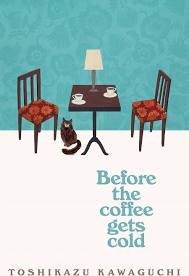
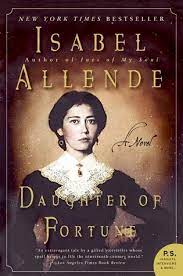
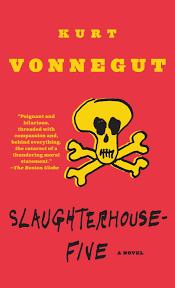
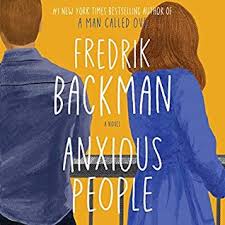
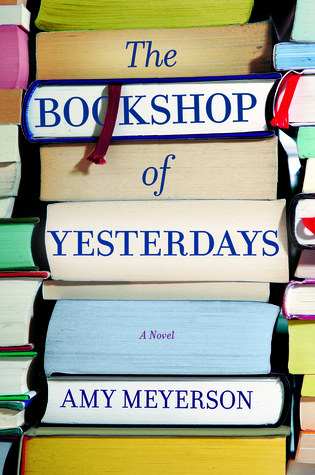
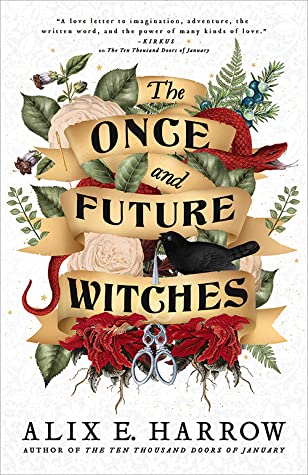
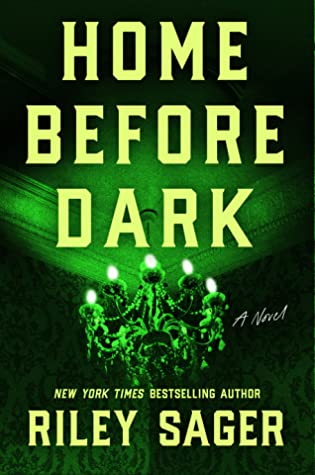
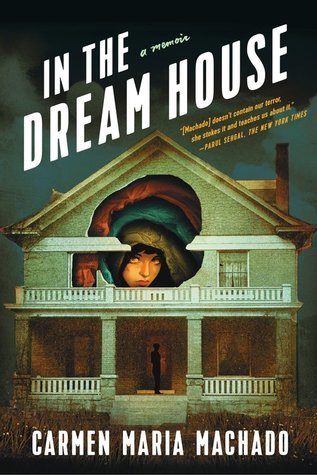
1. A Productivity Book – Stop Living on Autopilot by Antonio Neves – completed 2. Book Becoming Movie in 2021 3. Goodreads Winner in 2020 – The Midnight Library, the #1 fiction pick in 2020 – to pick up ASAP 4. Biography 5. About a Pressing Social Issue – The Garden of Burning Sand by Corban Addison – completed 6. A Book About Books – The Bookshop of Yesterdays by Amy Meyerson – completed 7. Set in the 1920s 8. An Author Who Uses Initials – The Invisible Life of Addie LaRue by V.E. Schwab – completed 9. Poetry 10. A 2020 Bestseller – Anxious People by Fredrik Backman – completed 11. Recommended by a Colleague 12. With a Number in the Title – Slaughterhouse-Fiveby Kurt Vonnegut – completed 13. Bottom of Your To-Read List 14. Reread a Favorite Book 15. Own Voices Story – March by John Lewis – in progress 50% 16. Published in the 1800s 17. Local Author – Code of the Hills: An Ozarks Mystery by Nancy Allen – completed 18. Longer Than 400 Pages – The Once and Future Witches by Alix E. Harrow – completed 19. A Book Turned Into a TV Series 20. A Book That Makes You Think 21. A WWII Story – The Willow Wren by Philipp Schott – completed 22. A Highly Anticipated Book 23. Eye-Catching Cover 24. A Summer Read – Faye, Faraway – in progress 20% 25. Coming of Age Story – Homegoing – On Deck to pick up next 26. Bestselling Memoir – In the Dream House by Carmen Maria Machado– completed 27. Book Club Favorite 28. A Book About Friendship – Southern Book Club’s Guide to Slaying Vampires by Grady Hendrix – completed 29. An Audiobook – Walking With Ghosts: A Memoir by Gabriel Byrne – completed 30. Set in Australia 31. By a Nobel Prize winner 32. About an Immigrant –Daughter of Fortune by Isabel Allende– completed 33. Time Travel Novel – Before the Coffee Gets Cold by Toshikazu Kawaguchi– completed 34. An Author You Love 35. Childhood Favorite 36. Classic Read in High School 37. Borrowed from the Library – The Flatshare by Beth O’Leary – in progress 40% on Overdrive 38. Nonfiction New York Times Bestseller 39. From an Indie Publisher 40. Fantasy 41. A Sequel 42. Recommended by a Librarian 43. Psychological Thriller 44. Oprah Winfrey Book Club Pick 45. A Book About Technology 46. Title with Three Words – Home Before Dark by Riley Sager– completed 47. Debut Novel of Famous Author – The Mysterious Affair at Styles by Agatha Christie – on deck to be picked up ASAP 48. Genre You Don’t Usually Read 49. A Book Everyone Is Talking About 50. You Own But Haven’t Read 51. Borrowed from a Friend – The Hypnotist’s Love Story by Liane Moriarty– completed 52. A 2021 New Release – The Lost Apothecaryby Sarah Penner– completed
Current progress: 17 completed of 25, ON TRACK!, 3 in progress
Philipp Schott is a small animal vet and the author of two prior books, The Accidental Veterinarian: Tales from a Pet Practiceand How to Examine a Wolverine: More Tales from the Accidental Veterinarian. This is his first novel, and it’s based upon the true life story of his father, Ludwig Schott, growing up in Nazi Germany during WWII. Ludwig’s father, Wilhem, was a high-ranking official in the Nazi party in Leipzig. This meant he was always away from home on “important Nazi business” leaving Ludwig’s mother to care for Ludwig and his siblings by herself. This novel is told in the form of a memoir from Ludwig’s point of view from his early childhood up to the age of 15. At age 9, Ludwig was sent to a Hitler youth camp for young boys to be programmed as a loyal Nazi soldier. Think of this as an overly aggressive preschool primer for potential Nazis before they are sent to the real Hitler youth camps at 14. We stay with Ludwig through his tenure in the camp and follow him back home to Russian-occupied East Germany where things continue to get worse for the family. This all culminates in a desperate attempt at escape to West Germany in pursuit of a better life.
A Willow warbler, or willow wren, which acts as a symbol and an important metaphor in Philipp Schott’s novel that bears its name. Source: Adobe stock photo.
Review
This is a fantastic new perspective that’s rarely portrayed in literature or film of this era. It’s easy to ignore or forget entirely that German citizens were fed loads of propaganda and were forced into party loyalty. Those who didn’t agree with the Nazi’s ideas and methods generally lay low so as not to draw attention. If they didn’t, they were carted off to camps or summarily executed for some trumped up crime, which could be as petty as having chocolate when no one else did.
Ludwig is, perhaps, the perfect narrator for such a story. We see all events unfold through his eyes. He’s no more than a child at the beginning of the war, and he finds himself confused by illogical and unfeeling human behavior. Ludwig is quite different from his peers. He’s extremely intelligent, introverted, and he’s much more interested in being out in the forest with the birds than he is in being with other boys his age. Ludwig knows he is different, and today we can glean from the information that Ludwig is almost certainly on the autism spectrum, but in the 1930’s and 40’s, this wasn’t something parents, peers and educators would have understood. Being so different makes Ludwig the target of the other boys’ cruelty. Not only does he have to grapple with finding his own place in a world unsympathetic to boys like him, but he’s also tasked with literal survival in a country that’s being led into war by a tyrannical maniac and his boneheaded minions. He is forced to contemplate and conceptualize death before any child should have to do so. I found it fascinating the way Ludwig’s mind turned to logic, sometimes humorously, no matter the situation or how dire it truly was. He is a refreshingly unique protagonist. While I’m going to classify this one as my WWII book for the reading challenge, it could also be deemed both a coming of age story and an Own Voices story told from the perspective of someone in an under-represented demographic.
Ludwig is caught in the middle of a dichotomous relationship between his mother and father, the latter of which spews the Nazi propaganda with a vociferous glee while the former takes a much more skeptical approach. Of course, a woman’s opinions and desires carried much less weight during this time whether or not she was in possession of more functioning brain cells than her husband. I positively adored Ludwig’s mom. By far, she was the character with the most depth. I internally celebrated every time she stood her ground and verbalized her disapproval of the party to her husband. Perhaps I could relate to her the most. As a mother of young children, I can place myself in her shoes and imagine the breadth of human emotion that would overcome me when faced with such a situation.
Aerial view of historical market square in Leipzig, Germany. Leipzig is the setting for part of the novel, The Willow Wren, by Phillip Schott. Source: Adobe Stock photo.
Mama Schott deals with more than any individual ever should. She’s tasked with the sole care and protection of her children while war looms, she’s pregnant during a time when food is scarce, and her philandering husband cares more about pleasing his various girlfriends and the fuhrer than he does whether or not his family is safe from bombs. I felt very deeply for her throughout the book, and I thought Schott did a wonderful job presenting her internal struggles and her descent into depression, which accurately became more acute as events in the novel unfolded. And Ludwig’s all encompassing love and worry for his mother was very authentic. In a boy so driven by logic, it was wonderful to see the emotional vulnerability that peeked through the surface as he contemplated his mother.
A prime example of one of the most memorable moments of Ludwig’s internal contemplation of big adult concepts was his dissection of grief. Upon seeing a peer dissolve into a heap of hysterical wailing after learning of the loss of his father on the battlefield, Ludwig begins to quantify the amount of grief he would show if his father were to die versus that he would show if his mother were to die. He realizes these are very different amounts of grief, and he doesn’t really understand what this means or if it is normal, but he understands that it’s a fact, and it is interesting, to say the least. Like I said, he’s a logical kid. Moments like this are representative of Schott’s impeccable character development.
When Ludwig arrives at the Hitler youth camp, the bullying he’s always endured intensifies and thrives in the more militaristic environment, but we see how he’s able to use his resourcefulness and cunning to his advantage. What sets this book apart from many other WWII novels is that it doesn’t end with the close of the war. For the German citizens in Russian-occupied territory, they were merely transferred from one despotic regime to another. They were on the losing side of the war and had been deemed either monsters or cowards, as unfair as that latter designation may be for people who had been victimized by deceit and threats of violence. The true test of this family comes with their final attempt at escaping what was once their home in search of an opportunity to thrive.
Overall, this is a lovely book. It’s very character driven. It doesn’t hold back with the harsh realities of war, and it doesn’t verge into sickly-sweet sentimentality. It’s a very authentic and personal account that is aided by the fact that it is based upon a real life story, a story to which the author holds a family claim. That fact makes the story much more powerful. Philipp also takes over the narration in the end so that he can give a bit of insight to his methodology, and he gives a lovely personal account of his perceptions as a child of the people whose story we’d just heard.
One final thing about Mama Schott, and I swear I’m done with this terribly long review. This might seem to verge into spoiler territory, which I swore I’d never do, but it’s really quite mild and I have to give credit to this badass woman by sharing my own anecdote. At one point, Mama Schott walks across rough terrain in the face of terrible peril weighed down with starvation, heaps of worries, fear of being shot, and a sleeping 3 year old. I have a 3 year old boy. A couple of weeks ago, my wee Henry wanted to take a walk with me around the block. We did one pass and he decided he wasn’t done, so we walked a bit further. Halfway around the block, he decided he was tired and needed me to carry him. Granted, my 3 year old hasn’t been nearly starving since birth and he is fairly sizeable, but I also haven’t been starving for the past several years like Mama Schott. I’m a bit out of shape, but I can certainly carry my kid. Still, by the time we got to the house my back ached, and my arms and legs were on fire. We hadn’t even gone that far! Anywho, mad respect for the mamas (and daddies) who literally carry their children many miles to deliver them to a better life than that to which they were born. Especially if, like Mama Schott, they’ve also battled their own internal demons in a fierce depression and found one final ounce of physical and emotional strength in order to save their children. Parents have been doing this for years, and I guarantee you that at this very moment, there is someone pushing through the pain, carrying all manner of physical and emotional burdens, simply to deliver her children to the life they deserve. The villains and the context may change, but no reason is more or less valid than another. Keep walking, mama, because you’re going to make it.
This is a fabulous work of character-driven historical fiction. 4 1/2 stars.
⭐⭐⭐⭐⭐
Rating: 4.5 out of 5.
Pub. date: March 2021 by ECW Press; ISBN 9781773057545; Runtime 10 hrs, 17 mins, Read by Brian Webber.
“It’s time to direct your energy to the things you love, the things that allow you to thrive, and the things that make you human and allow you to feel what it means to live a life on purpose.”
It has been ages since I’ve read anything besides fiction and maybe the occasional memoir or biography. I can’t remember the last time I read a self help book besides this one. So when I saw that “A Productivity Book” held the number 1 spot on my 52 book reading challenge I did a bit of internal grumbling. Don’t I feel silly now, because not only did I enjoy this book very much, but I needed this book. Let’s just start with the opening lines:
“How the hell did I end up here?
This is the question you might ask yourself when you look in a mirror and attempt to evaluate where you are (or aren’t) in life.”
-Antonio Neves, “Stop Living on Autopilot”
Wow, do I feel simultaneously impressed while also feeling personally attacked (only mildly). This first page made me feel uncomfortable, because, yes, he was speaking to me. Directly to me. Because I’ve had these very thoughts. How many of us haven’t had those feelings at some point in our lives? Neves poses these uncomfortable questions for a reason, and he doesn’t hold back throughout the rest of the book. It’s a series of uncomfortable questions and statements that leave us feeling a bit vulnerable and questioning just about everything. However, what Neves does that’s important is he gives us the tools for grappling with the answers to these questions.
To be honest, while I read this book, I had my post draft open so I could make note of notable quotes I might want to use. I wound up with 15 of them. 15!!! No, I’m not going to throw 15 quotes at you in this review. The point is, that’s how many statements I deemed poignant and important enough to share with potential readers who might pick up his book. And really, if you at all feel a little stuck in your existence or, perhaps, wake up dreading the day or maybe even just some little facet of your day, this book is something you should read. For my part, I’m tired. Tired of wishing I had made one decision over another. Tired of feeling like I don’t really live up to my potential. And tired of blaming other people for things I didn’t reach for and didn’t achieve in life. And I’m tired of not being present for the things that are truly important.
While I can’t relate to every aspect of Neves’ story, there’s a lot I can. For instance, I’m not internet famous. I’m probably not viewed as even remotely successful by any stretch of the imagination, but I still grapple with fears and inadequacies and regrets. I tend to look nostalgically toward the past as the best time in my life to which I surely will never return, and that’s not fair. That’s not fair to me, and it’s not fair to my family who deserves the best of me every day. The best advice I got from Neves in this book is to live every day as if the best thing to happen to me hasn’t happened yet.
“I believe that the best thing to ever happen to you is aheadof you – not behind you. The secret: when you start to believe this, everything begins to change.”
-Antonio Neves
Neves’ approach is all about adjusting your attitude so that you are your own advocate, that you invest in your own future and believe in yourself in a meaningful way. But he doesn’t just encourage these things with memorable quotes. The book is full of written exercises that he encourages you to actually do so that you can gather your own thoughts in a journal form that you can look back on. These all encourage digging deep and really getting to inner truths you maybe have been ignoring for some time. If you don’t hold yourself accountable, who will? But it’s also pinpointing what you actually want for yourself and encouraging you to prioritize that and recommit yourself every day to that intended purpose.
This is a short book. It’s only 236 easily digestible pages. It’s simply put, but it packs a lot in. Neves doesn’t waste any time waxing poetic. He gets straight to the point with useful but poignant advice. Many of his stories are also quite humorous or touching, and that helps make his book more relatable. Neves is also a life coach and keynote speaker on leadership and career success, and he has a podcast called The Best Thing. This podcast would be a great companion to this book. In it, per his website, he talks to other people about the best thing to happen to them outside of “the traditional markers of success like getting married, having kids, graduating from college or buying a house.”
Overall, I thought this was a fabulous and important book for anyone to read, no matter how successful or not you feel in life in your public or internet profile. We all need a little something even if it’s just a shift in perspective.


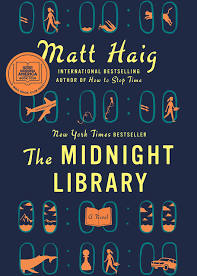
 I just finished two books over my weekend of traveling to and from Dallas, Texas, for a family reunion. Yay for car reading. I posted my reviews for both The Midnight Library by Matt Haig and The Future is Yours by Dan Frey yesterday to my blog. They are drastically different books, one fantasy of a very philosophical nature and the other science fiction dealing with the ethical conundrums sparked by technological innovation. On the whole, I enjoyed both of them, so it was a good reading week.
  In hardback, I’m reading Homegoing by Yaa Gyasi. Seriously, this book has a 4.46 on goodreads out of 213,158. I’m on page 1, so give me time to develop a sense, but this is the kind of book that typically makes me gush with praise and wax poetic after finishing, so I’m very excited to dig into it.
 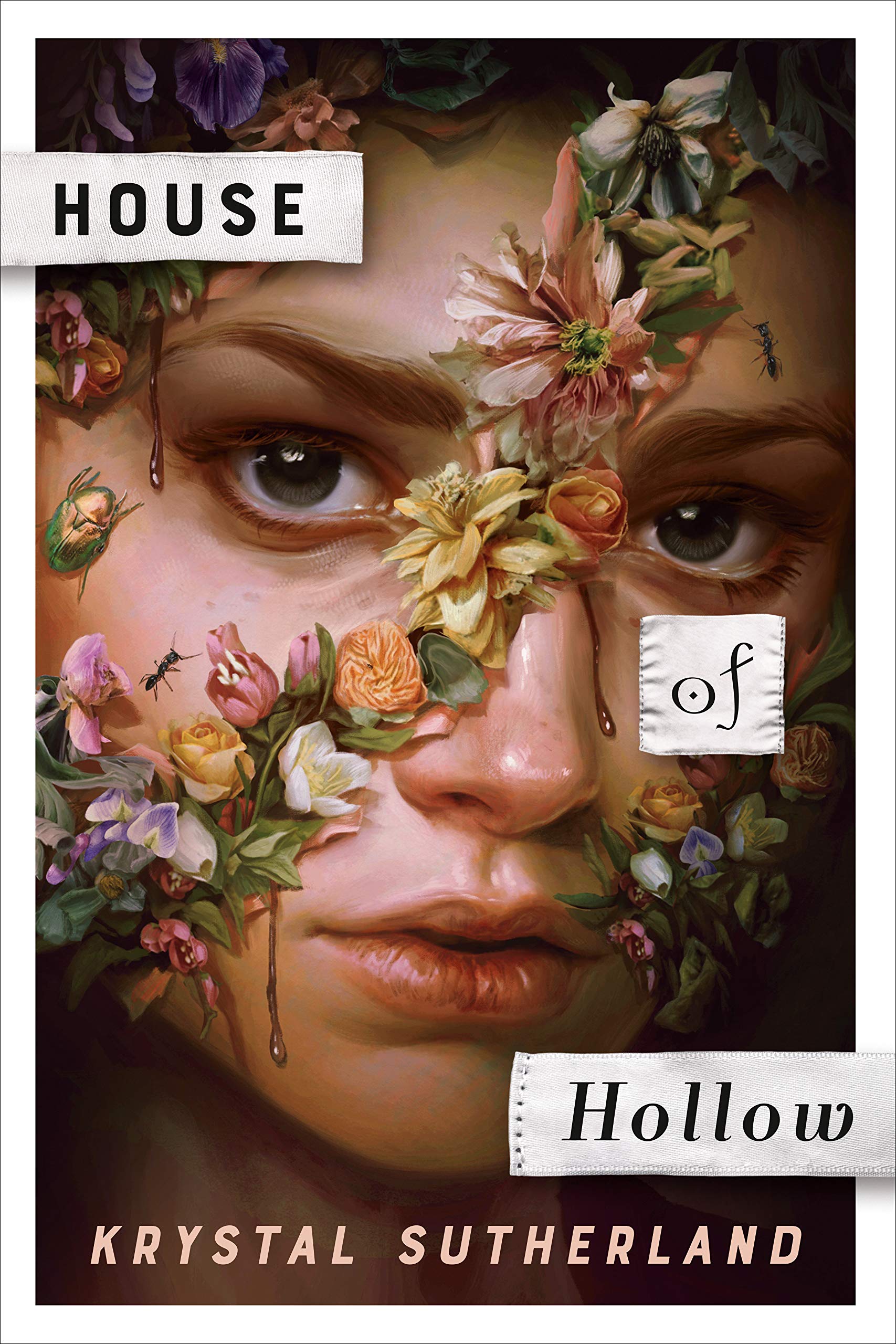 On audio, I’m currently reading a delightfully creepy modern gothic fairy tale called House of Hollow by Krystal Sutherland. From the reviews I see, this is one to stick with you. Eerie, twisted, shocking are some words I see scattered about. I’m about 1/3 of the way into it, and so far I agree. And how beautiful is that cover? The whole thing just sucks you in and won’t let go. Props to Sutherland for her seriously strong prose. I find this to be a joy to read. Looking forward to keeping going with the audio.




 The first volume of this three part set of graphic novels was released in 2013. The second and third volumes came later in 2015 and 2016, respectively. The synopsis for book three of the series states that the aim of the three authors, including civil rights icon John Lewis, was to “bring the lessons of history to vivid life for a new generation, urgently relevant for today’s world.” Those words are absolutely achingly true. For the purposes of this review, I will just be focusing on this first volume, but all three are important for understanding the historical and cultural significance of the impact John Lewis had for the civil rights movement.
 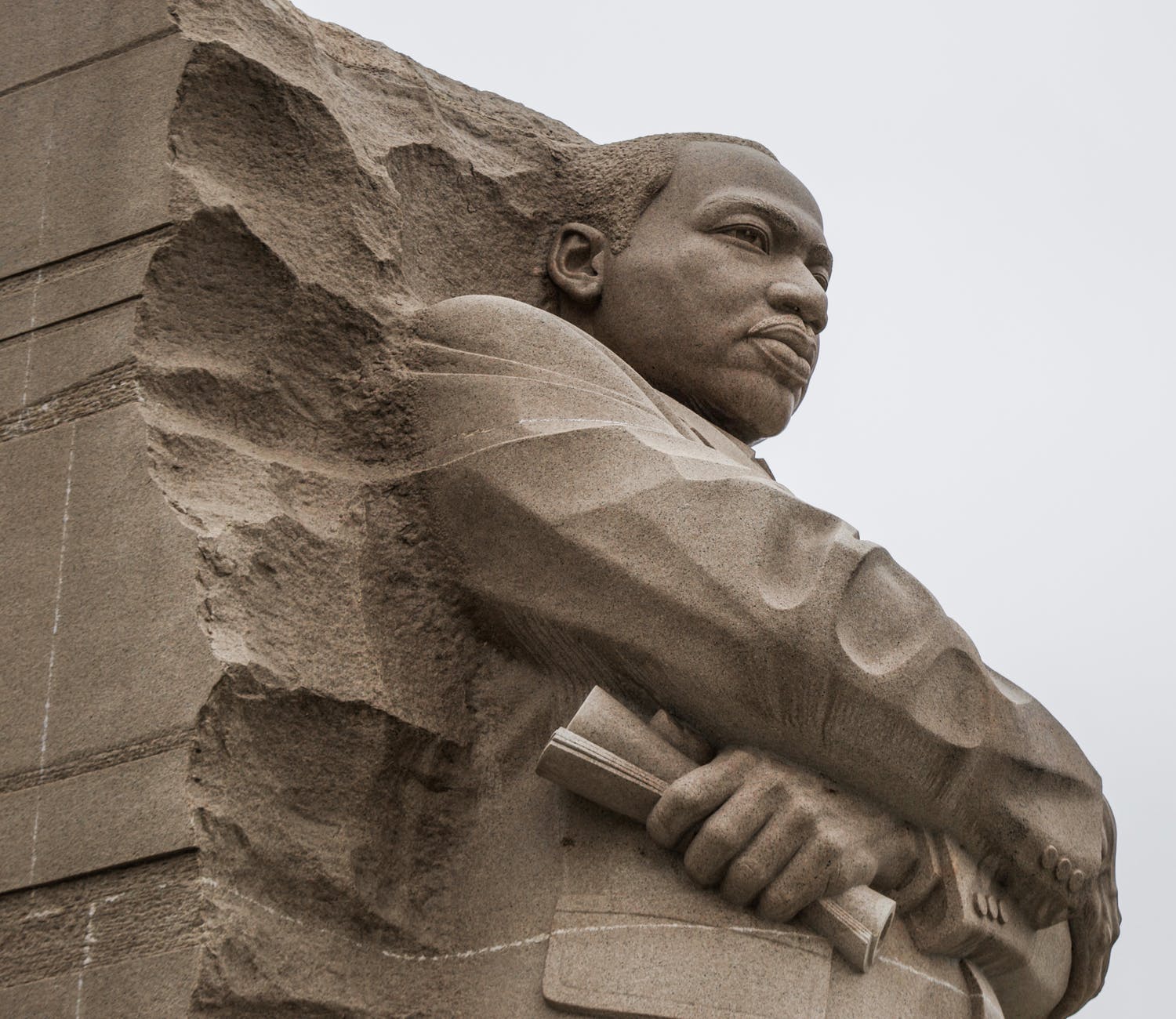 There are many great books about the Civil Rights movement. There are numerous titles for adults and mature teens who want to learn about the history of the movement and the courage of the people who inspired it and followed it. But there’s something incomprehensibly powerful about the format for these books. Comics and graphic novels are immeasurably popular with a younger demographic. In the 1950’s, kids like John Lewis were introduced to a comic called
 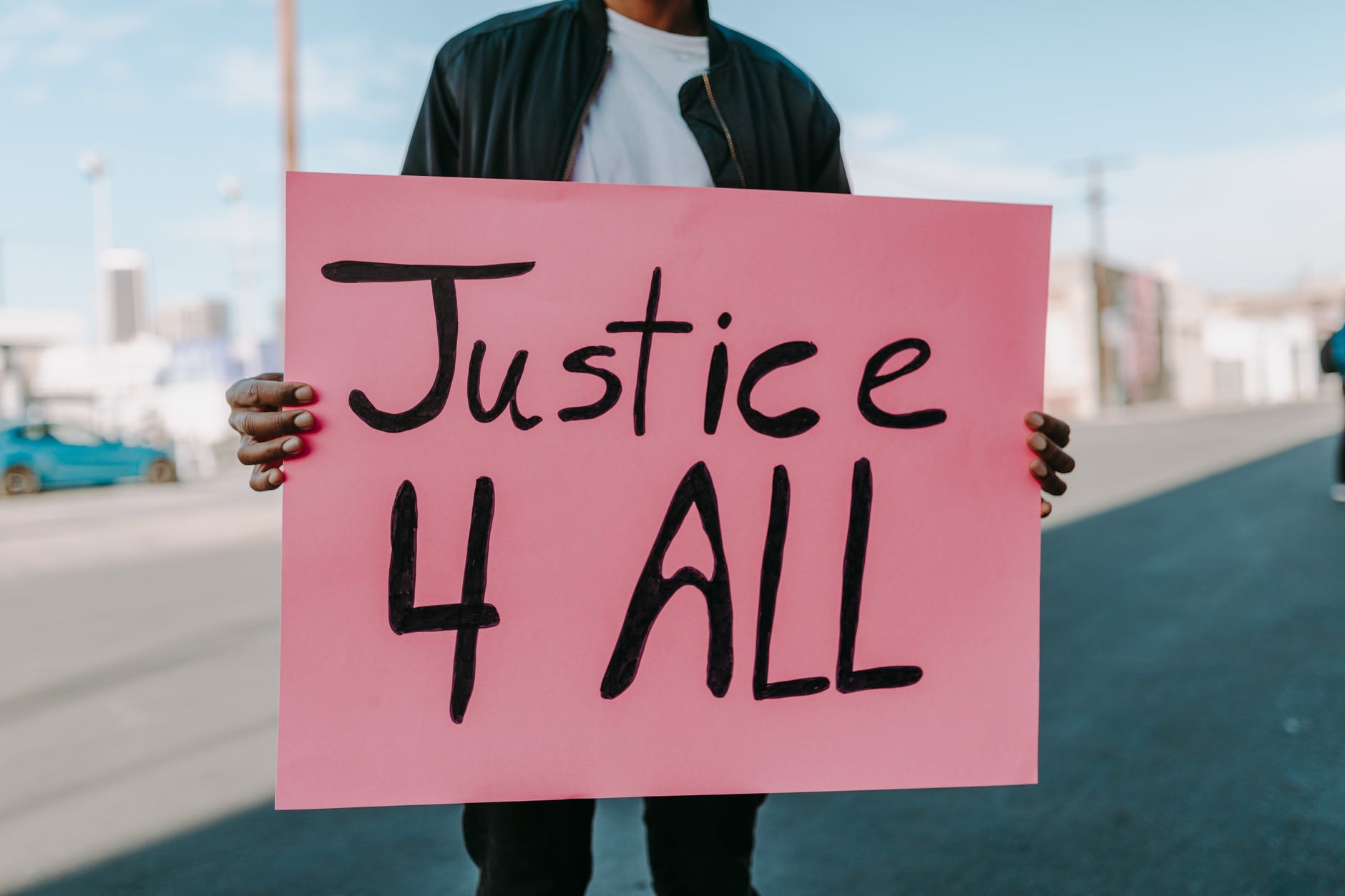 So my review for this book is not simply that it’s a brilliant, authentic, and deeply personal memoir from one of the most important figures in American civil rights history. It is all those things and more. The value this book holds is that it comes at a vitally important time. It’s a testament to the fact that times have always been tough. Maybe they always will be, but there’s another way to bring about change. There will always be people resistant to change. But as long as we have people who will stand alongside one another linked by love and a desire to heal rather than hurt, we will always keep moving forward instead of backward.
  Faye, Faraway is the debut novel by British author, Helen Fisher. It’s a relatively short read at just under 300 pages, and I managed to read it in about three sittings before bed. This is low fantasy, and it focuses more on the human aspects of the story, predominantly grappling with grief and loss into adulthood as well as coming to terms with unknown elements of one’s past.









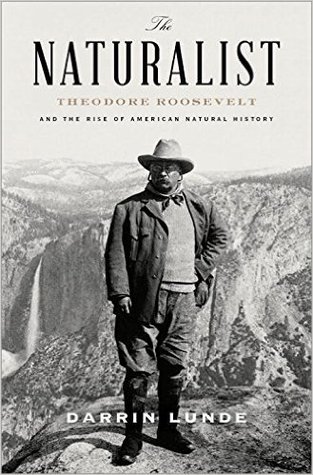
 Philipp Schott is a small animal vet and the author of two prior books,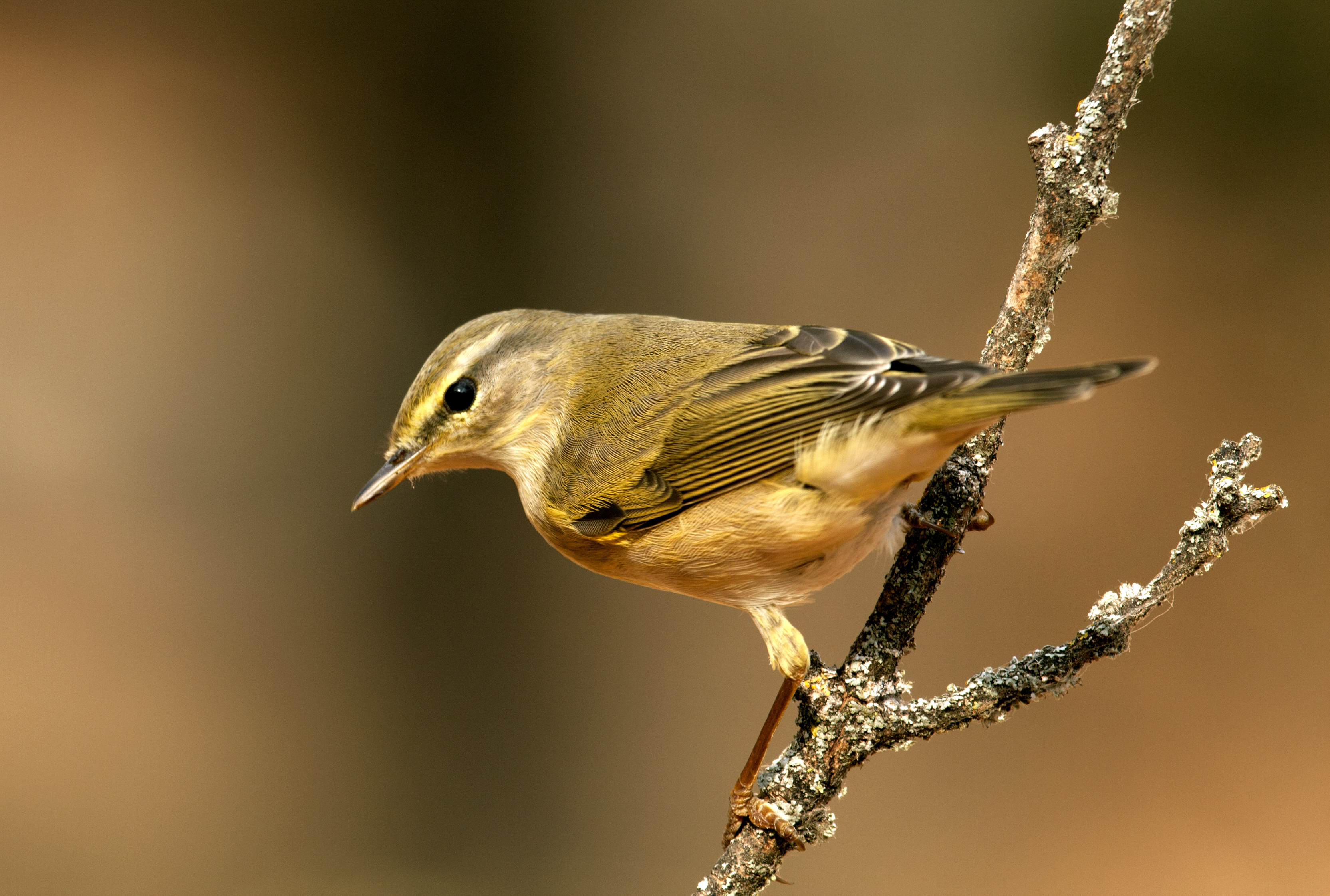
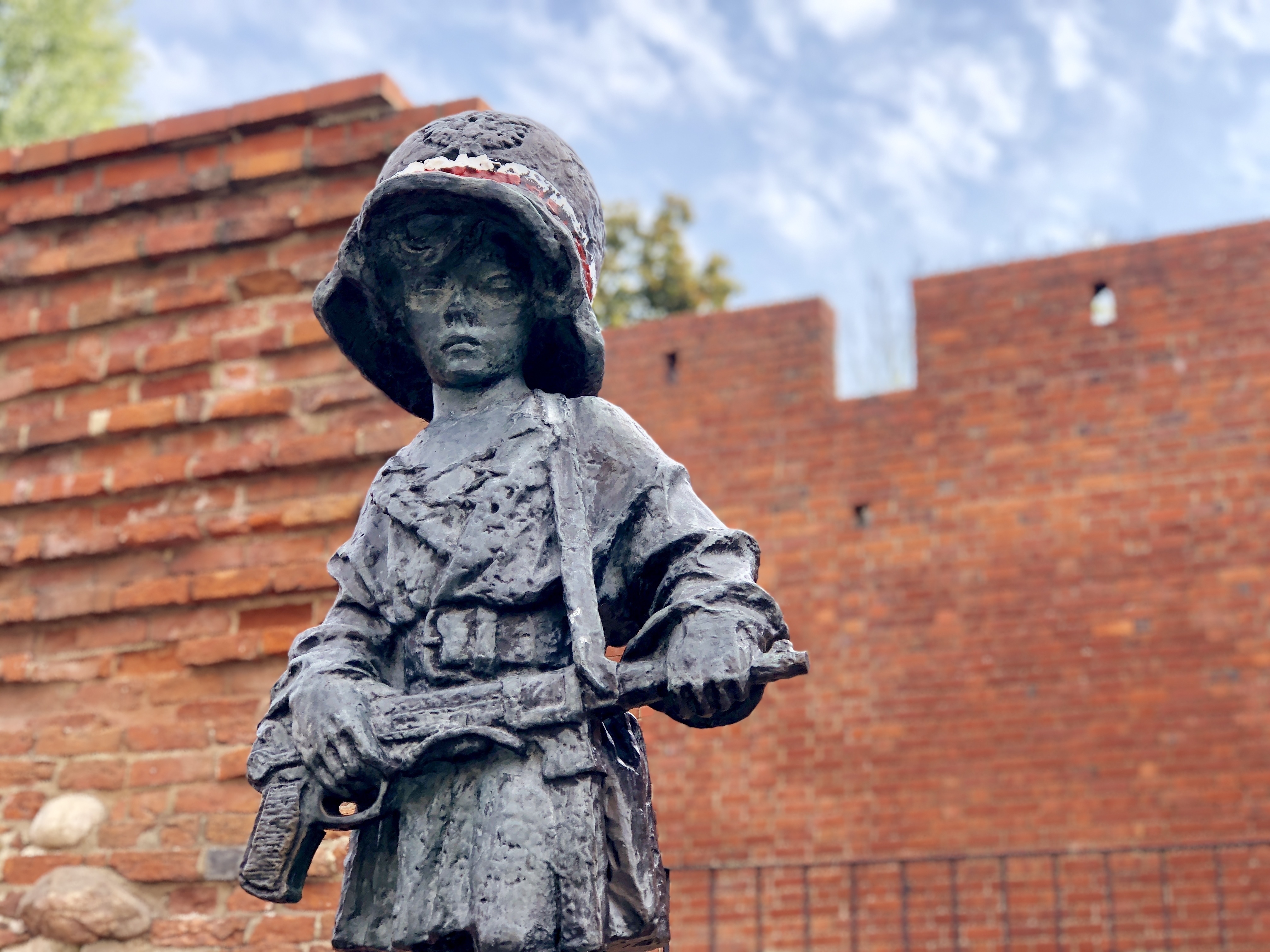 Ludwig is, perhaps, the perfect narrator for such a story. We see all events unfold through his eyes. He’s no more than a child at the beginning of the war, and he finds himself confused by illogical and unfeeling human behavior. Ludwig is quite different from his peers. He’s extremely intelligent, introverted, and he’s much more interested in being out in the forest with the birds than he is in being with other boys his age. Ludwig knows he is different, and today we can glean from the information that Ludwig is almost certainly on the autism spectrum, but in the 1930’s and 40’s, this wasn’t something parents, peers and educators would have understood. Being so different makes Ludwig the target of the other boys’ cruelty. Not only does he have to grapple with finding his own place in a world unsympathetic to boys like him, but he’s also tasked with literal survival in a country that’s being led into war by a tyrannical maniac and his boneheaded minions. He is forced to contemplate and conceptualize death before any child should have to do so. I found it fascinating the way Ludwig’s mind turned to logic, sometimes humorously, no matter the situation or how dire it truly was. He is a refreshingly unique protagonist. While I’m going to classify this one as my WWII book for the reading challenge, it could also be deemed both a coming of age story and an Own Voices story told from the perspective of someone in an under-represented demographic.
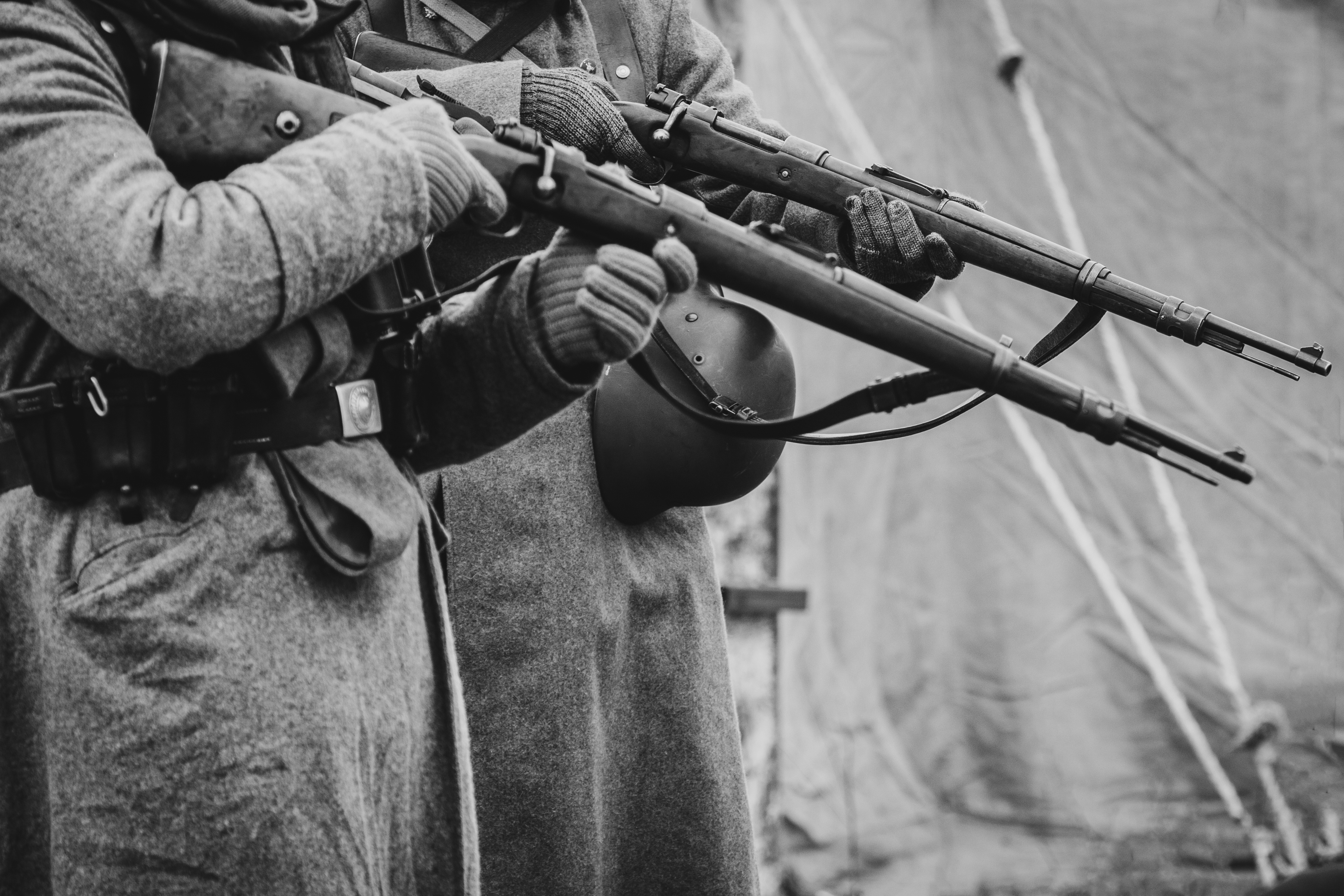 When Ludwig arrives at the Hitler youth camp, the bullying he’s always endured intensifies and thrives in the more militaristic environment, but we see how he’s able to use his resourcefulness and cunning to his advantage. What sets this book apart from many other WWII novels is that it doesn’t end with the close of the war. For the German citizens in Russian-occupied territory, they were merely transferred from one despotic regime to another. They were on the losing side of the war and had been deemed either monsters or cowards, as unfair as that latter designation may be for people who had been victimized by deceit and threats of violence. The true test of this family comes with their final attempt at escaping what was once their home in search of an opportunity to thrive.
