 This is a book I picked up for a very specific reason. My father has become thoroughly enthralled, obsessed almost, with the subject of ancestry. He’s on a mission to trace nearly every line of our family tree as far as it will go, and it turns out, the subject of this novel is my Great however-so-many it may be Grandpappy. Dad acquired Chadwick’s book series about William Marshal and now I’m reading them as well. This first book is more of a prequel, as it follows William’s father, John Fitzgilbert, or John Marshal. John was marshal to King Henry I, inheriting the title from his father, Gilbert Giffard, sometime prior to 1130. This book begins here, moving into the death of King Henry which begins the civil war between the Empress Matilda and King Stephen. The novel illustrates John’s instrumental role as a skilled tactician during the war and brings us up through the end of the war in 1153, in which William is an adorable addition (but a VERY important one) as a feisty 5-year-old.
What did I expect? Looking at that cover, as well as other variations, I expected a pretty schmaltzy romance, not going to lie. That is absolutely not what I got. To my pleasant surprise, I got a meticulously researched historical novel about a badass nobleman with a little smattering of romance. It was definitely there. I actually found myself getting a bit annoyed with all the sex John and Sybilla were having. Though, I guess I should thank them, because if they hadn’t I wouldn’t exist in this plane of reality. Go forth and procreate, little medieval bunnies!
John is an extremely controversial figure, and a lot of people think he was an emotionless ass. Perhaps that’s true, I don’t know. But I do like the way Chadwick presents him. He’s extremely cunning, and he’s willing to take some pretty unbelievable gambles to win. He knows the price of losing. He’s always two steps ahead of everyone else, and his enemies positively hate him for it. All I can say is I wouldn’t want to be on the opposing side of John Marshal in a conflict. His most controversial decision involved William when he was a young boy, but had he not made such a decision we arguably wouldn’t know the name William Marshal more than 800 years later. The important part of how Chadwick portrays him is in her humanization of the man. She shows us the guilt, anxiety and fear he refused to show the rest of the world in his own time. We may not see all that on a wikipedia entry listing his accomplishments, but it was definitely there, and that’s why historical fiction is such a valuable tool at going beyond history into the realm of understanding.
If you do pick up one of Chadwick’s books, be aware that they are long and meaty. Despite this, I didn’t find my interest waning. I really enjoyed my journey through this chapter of history I knew very little about prior to reading. Chadwick is skilled at both presenting the known history as accurately as possible while also adding her own touches of poetic license to her character development. Her prose is clear but lovely and enthralling. I look forward to continuing the series, though I probably won’t blaze through it considering how voluminous it is. Plus, the casual and overt sexism of the medieval period, which Chadwick very deftly presents in all its glory, is really difficult to stomach in large doses. With a series like this, I like to afford myself some breaks in between, though it’s definitely worth the read.
First published October 4, 2007 by Sphere. This edition published September 1, 2012 by Sourcebooks Landmark. ISBN 9781402271083. Paperback. 504 pages.
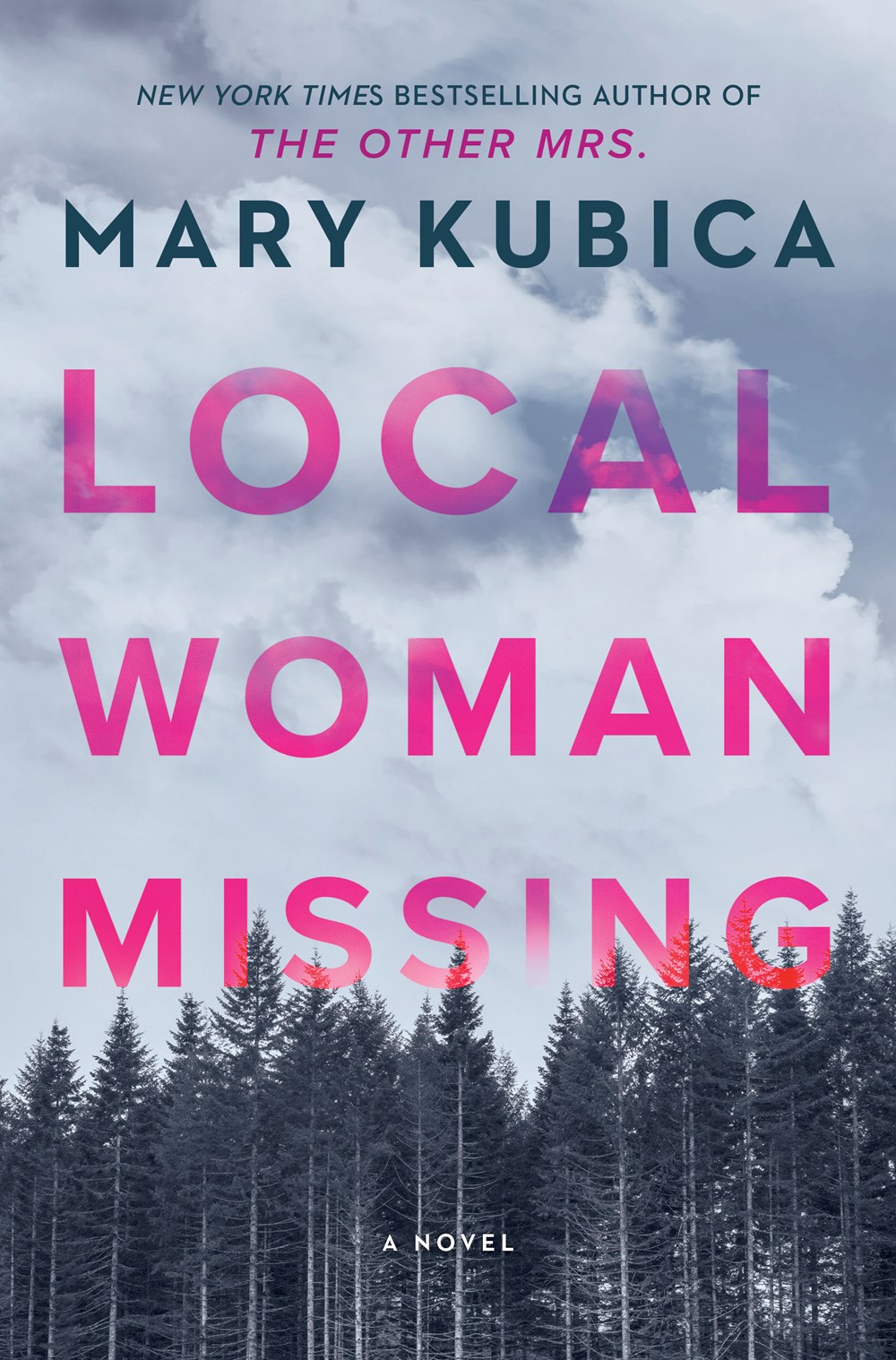 Well, here’s to a pretty good reading start in 2024. I guess there’s a perk to the fact that I’ve pretty much been sick since NOVEMBER! I had non-Covid and then I had Covid and then when the Covid was gone I was back to just the standard non-Covid still coughing my head off but still having to go about my daily business. At least I was able to read some books, right? For the first time in years my goodreads challenge tells me I’m actually ahead of schedule! Let’s dive in!
 So, naturally, if I add the category of “Productivity Book,” to my reading challenge for this year, the Universe sends me a sign. It took one look inside my closets and kitchen pantry and sighed heavily. Unsurprisingly, the very same week, this delightful little tome shows up on Hoopla under my “Recommended for You” titles. Thanks, Universe. I feel very seen and judged right now.
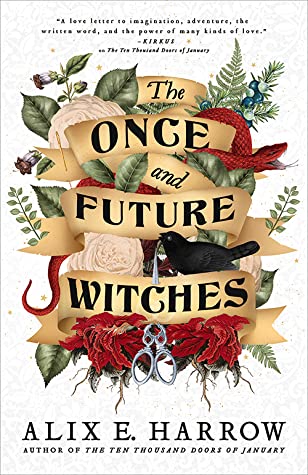

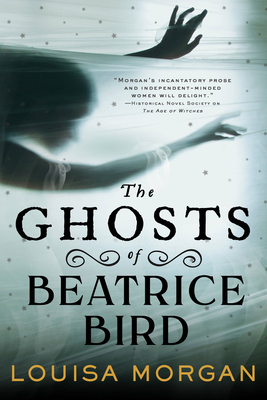 Louisa Morgan is a fairly prolific writer of modern fantasy, especially the ever-popular witchy titles. This is the first of hers I’ve read (I feel like I say that a lot about a lot of authors, so shame on me). I actually chose this one because my 9-year-old picked it up in the library and liked the cover art. I assured her it probably wasn’t suitable for a reader of her age but I would take it. HA! As I suspected, it was definitely an adult read.
 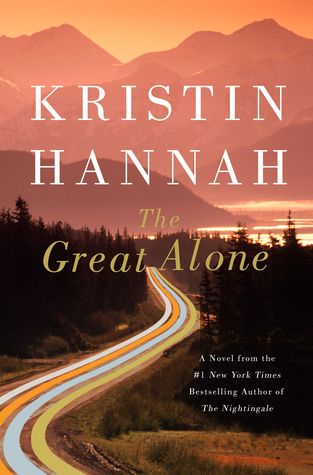 Unfortunately this will be the last of my 2023 backlog that I’m going to fully review. All of the others I’m just posting quick little goodreads review and starting fresh in 2024 with the blog. I got way too far behind. But this book deserves the full treatment, because Kristin Hannah has an absolute gift. She’s an incredibly versatile author, and though her books often vary in subject matter and time period, they always contain the same elements that elevate them above many other books written by her contemporaries. They manage to contain all the sheer beauty and brutality of life in such an authentic way. In The Great Alone, she allows the setting of a remote and unforgiving corner of the Alaskan wilderness to perfectly encapsulate the tone of this story. Life is brutal. Life is beautiful. Life will gut you and leave you breathless with ecstatic wonder.
  I am far from the Taylor Jenkins Reid fangirl. This is only the second of hers that I’ve read, though I do plan on picking up more in the future. I feel like readers are in one of two camps with her (usually.) Either you love her stuff or you’re dropping one star reviews simply because she’s permanently ensconced in the popular fiction camp. Frankly, I’ve never thought the latter of the two philosophies to be entirely fair to anyone, not the author nor the readers devoted to their works. Then again, for me a one star review means something is either highly offensive or is just so bad in every single facet to the point I can’t find any redeeming qualities. Those are few and far between. Though, reviews are purely subjective. One person’s masterpiece is another person’s trash. Frankly, that’s what makes literature and life so compelling.
  Coming in at only 166 pages, this little volume barely constitutes a book, but it manages to just tip the scale between novella and novel. This is deliberate on the part of Coetzee who has opted for what is described as “late style.” This phrase was coined in 1937 by philosopher Theodor Adorno who described it this way: “The maturity of the late works does not resemble the kind one finds in fruit. They are for the most part not round, but furrowed, even ravaged. Devoid of sweetness, bitter and spiny, they do not surrender themselves to mere delectation.” In hindsight, that does perfectly summarize this book. We see an aging artist laid bare, stripped down to the raw and ravaged sinew of a once formidable body. Even the cover of the book is simple and abrupt. The keys of the piano as shown are reduced to one octave ranging from A to G. Even this seems to suggest the shortening of time as one inches closer to mortality.
 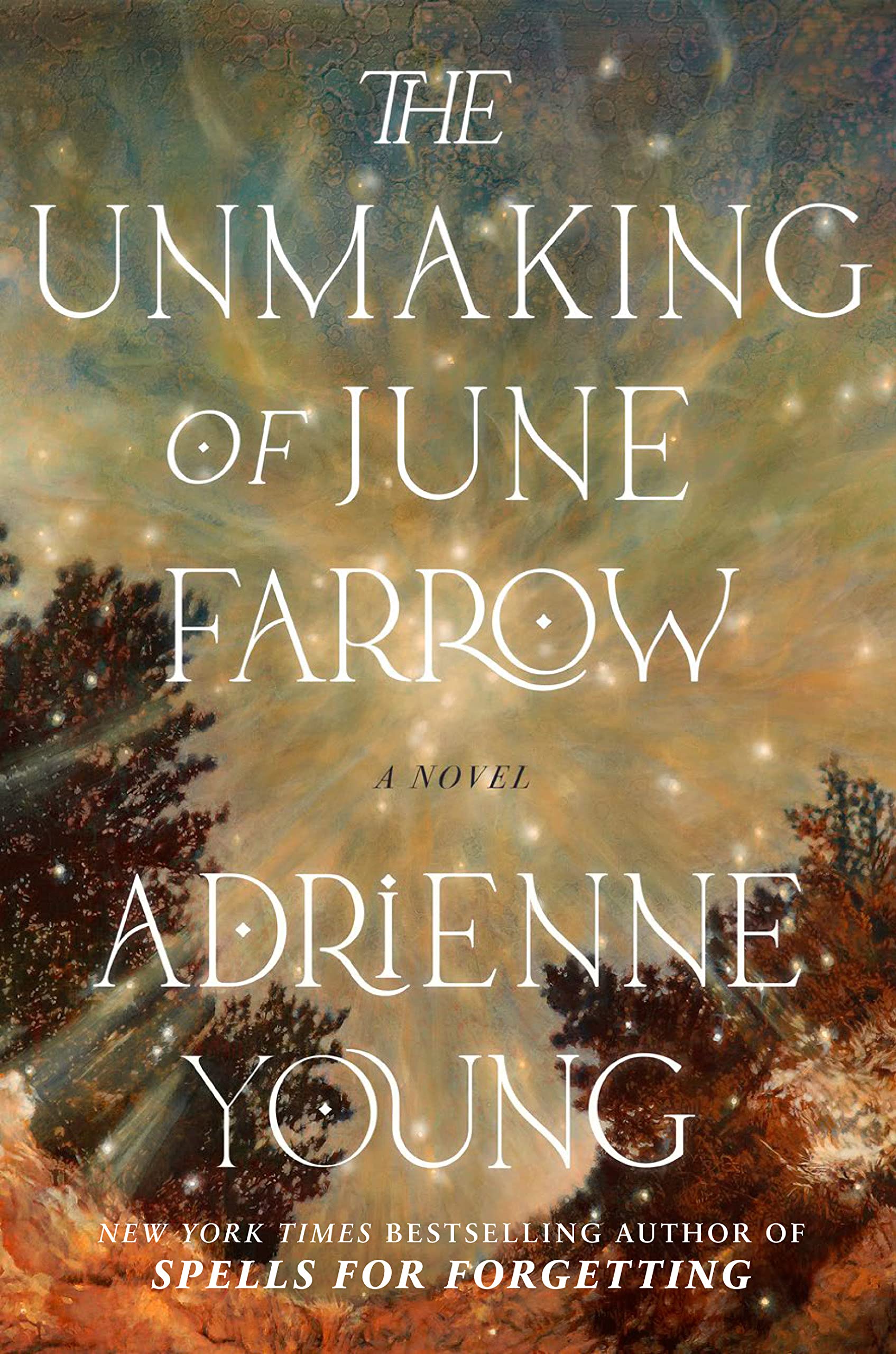 Adrienne Young is quite the prolific author, predominantly writing young adult fantasy but branching out lately to release more adult material. I’ve been under a rock, apparently, because this beautiful novel is the first of hers I’ve had the pleasure of reading. The Unmaking of June Farrow follows, you guessed it, June Farrow. She’s the last in a long line of Farrow women, women who are cursed to suffer the slow descent into mental decline. June is determined to be the last of this cursed line. She will remain alone, never to bring a daughter into the world to suffer the same fate. Now in her thirties, the hallucinations begin and June prepares herself for the end. However, as the hallucinations become ever more powerful, June begins to suspect there’s more to the story of the Farrow women than she’s previously been told. They aren’t just different. They are special in a way the rest of the world could never understand. The more she uncovers, the more June realizes she may not just have to let the curse die with her. She could stop it from plaguing future generations of her family once and for all.
  A Librarian and Her Books