
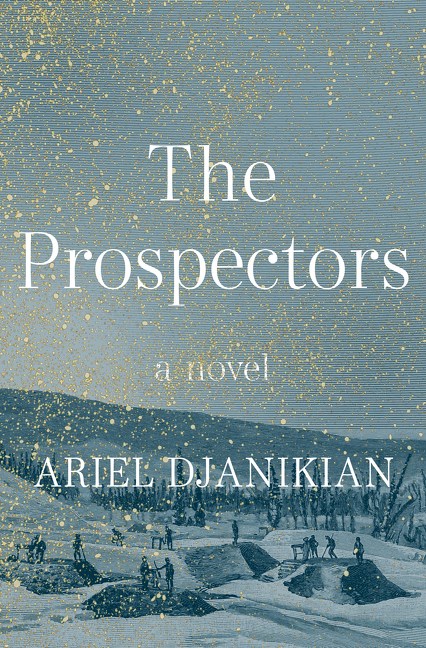
 In 1941, 100 copies of a memoir by Alice Edna Bush Berry were published privately by a small press. The book was called “The Bushes and the Berrys” and recounted the family histories of the Bush and Berry families and their subsequent adventures into the Klondike where they would strike it rich, as well as their later foray into the oil business.
  Eighty-two years later, Ariel Djanikian, a descendant of the Bush and Berry families, would release this novel that delves much more deeply into the impact the Gold Rush not only had on this one family, but also on the landscape and the groups of Natives displaced by the rush of white Americans hell-bent on claiming the “free” land that would make them rich.
On researching Djanikian, I stumbled upon some interesting facts about her life that inspired her to write such a work. While her great-great-grandmother, Alice Bush (sometimes referred to as Edna or Tot), was on the receiving end of fortune at the expense of others, her Armenian father had escaped Turkey during the Armenian genocide of 1915, an event that claimed his parents and siblings. Djanikian says, “[w]hen writing this book, I wanted to dramatize the way fortunes are made, how individuals position themselves within families to seize wealth, and how racism is used as a cruel instrument for maximizing profit.”* We tend to celebrate the plethora of “rags to riches” stories that come out of the American frontier while turning a blind eye to those whose lands, resources and ways of life were stripped from them by force.

Life is not as simple as a 1950’s Hollywood western where the brave and ethical cowboy battles the bad guys and saves the damsel in distress. In the true American west, cruelty reigned supreme and was so often motivated by racial prejudice and sheer greed. Don’t get me wrong, that doesn’t mean that Djanikian presents the Bushes and Berrys as villains. She presents them as humans, driven at first by desperation and then at the prospect of more. Let’s face it, history is full of people who, when presented with a better life, take it. They didn’t hesitate and ruminate on consequences. They saw people stepping off boats with pocketfuls of gold and the promise that if you can get yourself there alive, the land is yours for the taking. They weren’t evil, but the Bush and Berry families were like other prospectors of their time, consumed by a single-minded quest to better their own lives while remaining completely ignorant of the injustice that should have been right before their very eyes.
Djanikian also presents a future generation, a character named Anna who, at her Grandfather’s behest, sets off on a quest to the Klondike to make amends to the descendants of those wronged by her ancestors. While Alice’s initial memoir reads more like a journal laying out the surface facts of their family history, Djanikian’s novel delves so much deeper into the things that we can’t really know but that make sense. No single character is perfect but they are very authentic, and I applaud her for her ability to capture the nuances of the time. Readers won’t necessarily much like this version of Alice, but they won’t be able to deny that she’s a compelling historical figure very representative of the type of woman who persevered during such a time.
There’s a fair amount of excitement peppered throughout this book to make sure the adventure aspect is still present, but it’s still thought provoking and powerful in its historical presentation of identity, both racial and gender, and in family dynamics. It pretty expertly shows how the corrupting influence of money just continues to trickle down through generations and erodes what little dignity there is left of a family, with some important exceptions.
I highly recommend this book for lovers of historical fiction, especially if you’re looking for those lesser-covered subjects and time periods. Additionally, if you’re interested in reading Alice Bush Berry’s original memoir, it’s available pretty much anywhere online as it’s in the public domain, so check them both out.
- Spencer, George. “Genre-jumping Fulbright Scholar Takes a Novel Path.” October 27, 2023. https://michigantoday.umich.edu/2023/10/27/genre-jumping-fulbright-scholar-takes-a-novel-path/
Published October 3, 2023 by William Morrow. ISBN 9780063289734. 448 pages. Hardcover.

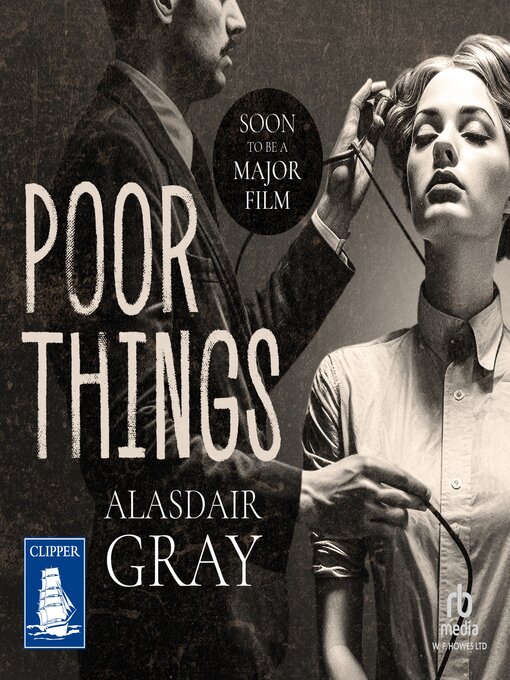 I’m still woefully behind on my reviews, but I’ve certainly made reading progress. I’m currently reading two books. In hardback, I’m reading the urban fantasy Masters of Death by Olivie Blake. On audio, I’m listening to a book that’s caught readers’ attention lately because of the Oscar Nominated movie adaptation released last year. It’s Poor Things by Alasdair Gray. I have to say, I’m really enjoying both of them and am looking forward to getting to my reviews.
 I’ve most recently finished the controversial memoir A Million Little Pieces on audio. This was the book club pick for this month. It was a great discussion piece and I’m looking forward to penning my review which I hope to put out this week. I also finished a wonderful gothic novel I borrowed from the library. It’s The Djinn Waits a Hundred Years by Shubnum Khan.
 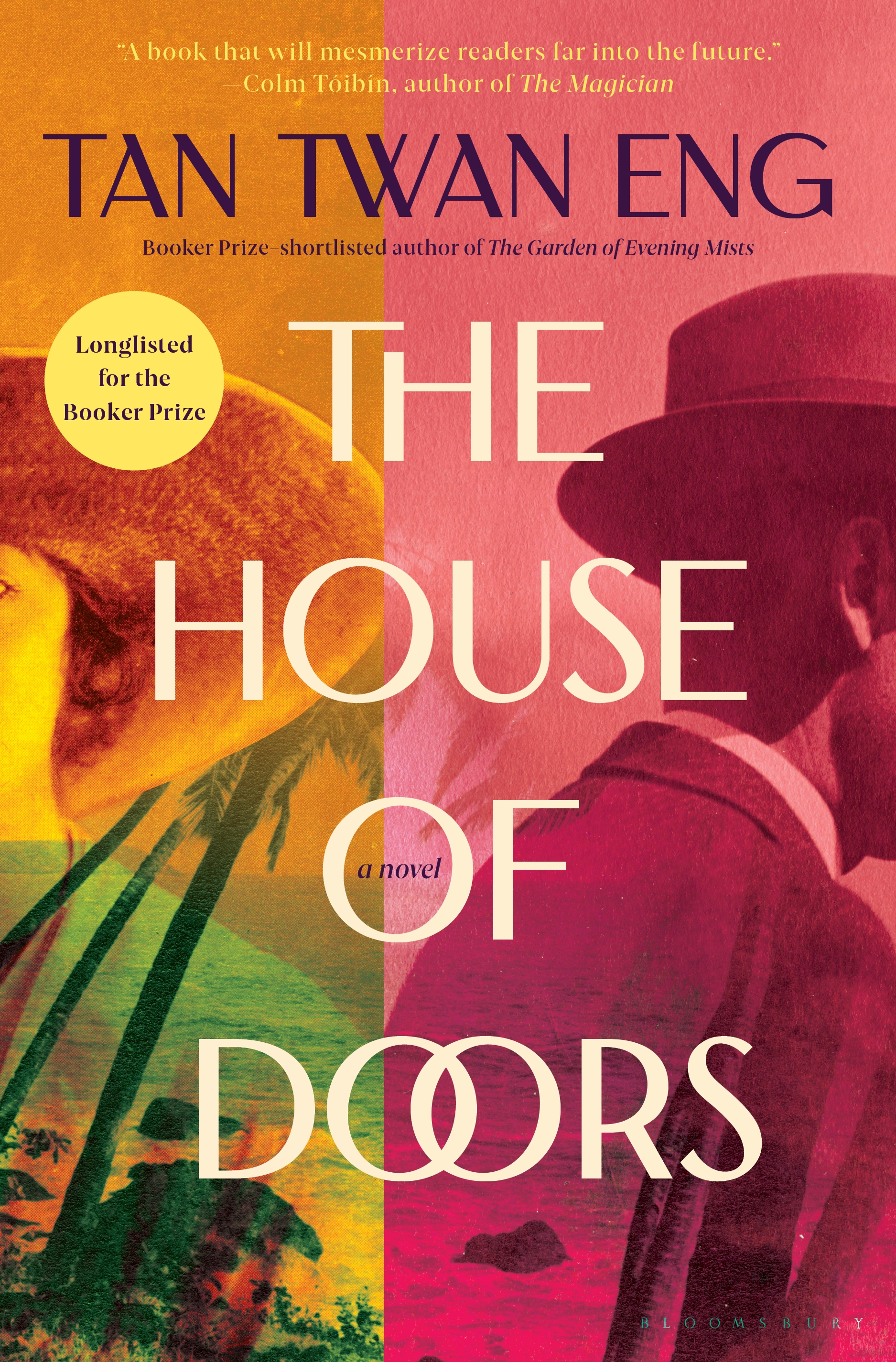 This is my favorite question and often the most difficult one to answer. My only planned read is The House of Doors by Tan Twan Eng. I actually started this audiobook a while back and got distracted by something else almost immediately, so I will go back to it and start over again when I finish Poor Things. From there, the possibilities are endless! That’s it for me. What are you reading lately?
 This positively delightful cover is the first in a new series by Benedict Jacka, who is otherwise known for his Alex Verus series. I haven’t read it, but it’s quite popular with readers of urban fantasy. As a reader, I’m not particularly dedicated to any one genre, which gives me a lot of variety, but I’m far from a fantasy aficionado. I enjoy a good fantasy title from time to time. This one I mostly chose because of the cover art. Translation: presence of cat on cover. No really, the cover is gorgeous. And … cat. Ok, in all seriousness this one is my reading challenge pick for a book about or including cats in some capacity, so score one for me.
  There’s a lot of potential for Jacka to knock it out of the park in the subsequent books. He’s got a great setup, and he left us with a pretty major teaser in the final words, so time will tell if he can capture that full potential in execution. He’s good at crafting action sequences that are fast-moving and suspenseful, and I anticipate there will be a major uptick in these from this point forward. Also, on Jacka’s blog he JUST announced the cover reveal for the 2nd in the series, and it’s also a beauty. It’s planned for release on October 15, 2024, so that’s something to anticipate.
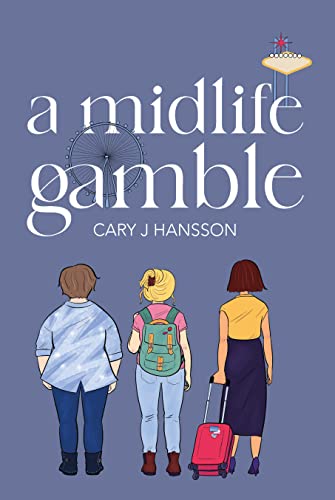 I guess you could say I’m reviewing the entire Midlife Trilogy in one review, because I read the first two during my slight unplanned hiatus from blogging and their reviews wound up being really quick goodreads reviews. I didn’t do them justice, and that isn’t fair because this is a really wonderful series. All three books follow three friends: Helen, Caro and Kay. Each woman is unique to her own experiences, but they have a bond forged by almost a lifetime of shared history. The Midlife Trilogy begins with
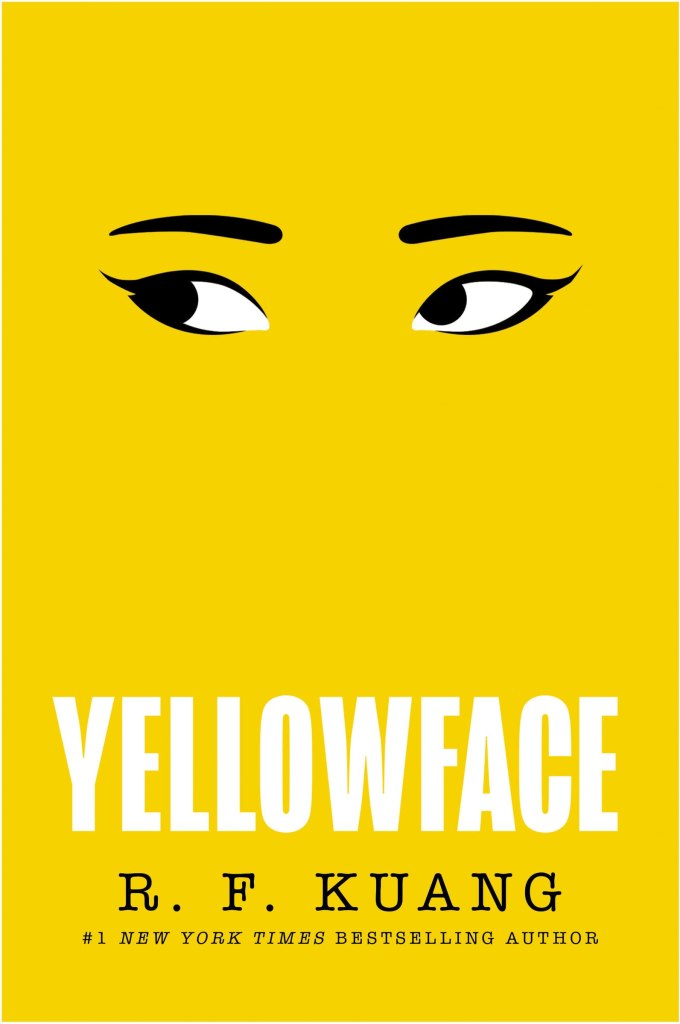
 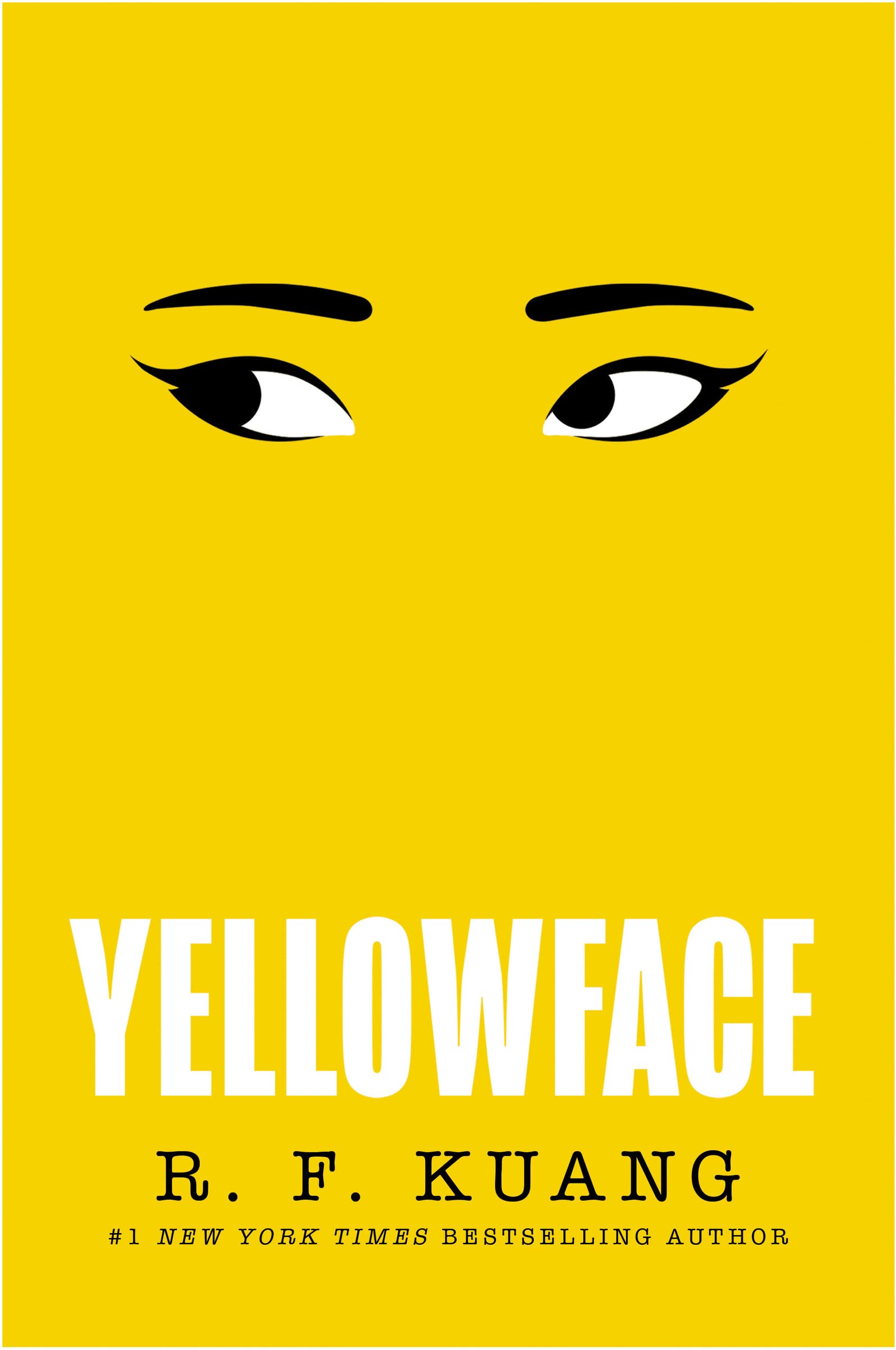 I have quite literally been stuck on this review for weeks. I decided today to just dive in and give it a go and maybe I can talk myself through the conflicting feelings. I’m sure many of you have at least heard something about this book. It was voted as the Goodreads Choice awards pick for best fiction, and it won by a lot. While I haven’t read all the other choices, I definitely wouldn’t have voted for this one. It follows the story of June Hayward, a white woman whose closest friend (loose term), Athena, dies in an almost comically freak accident right in front of June. Athena Liu was a star in the publishing world. She was adored and lauded as a literary genius. June? Not so much. June, knowing that Athena has not shared any information regarding her new novel with anyone, steals the manuscript and releases it under the racially ambiguous name Juniper Song, and as the success starts rolling in she grapples with guilt and issues of racial identity and public controversy.
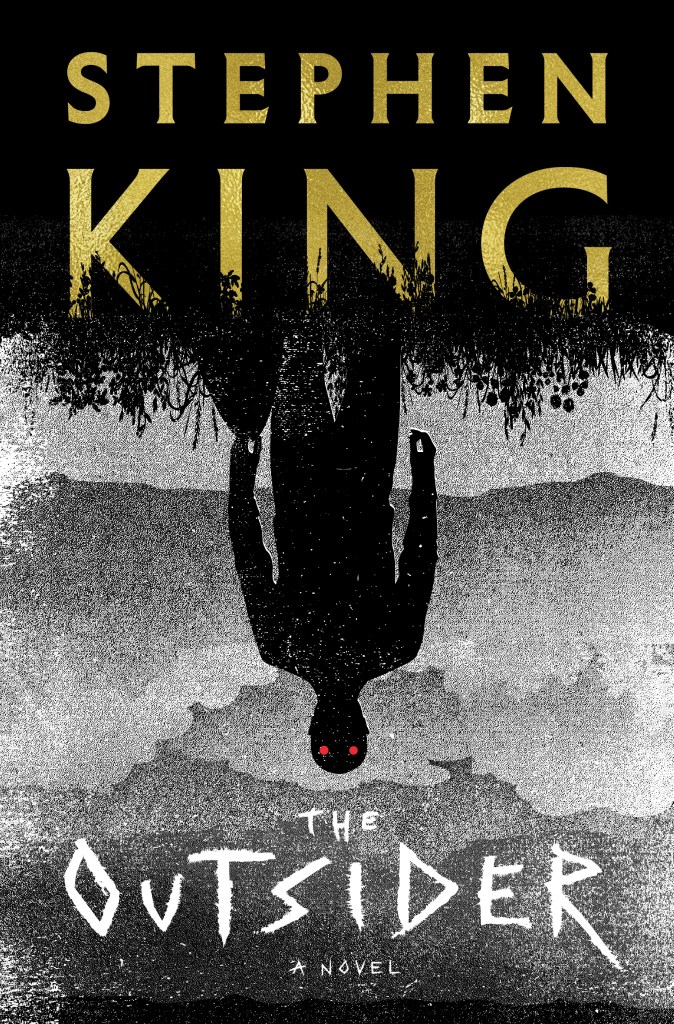
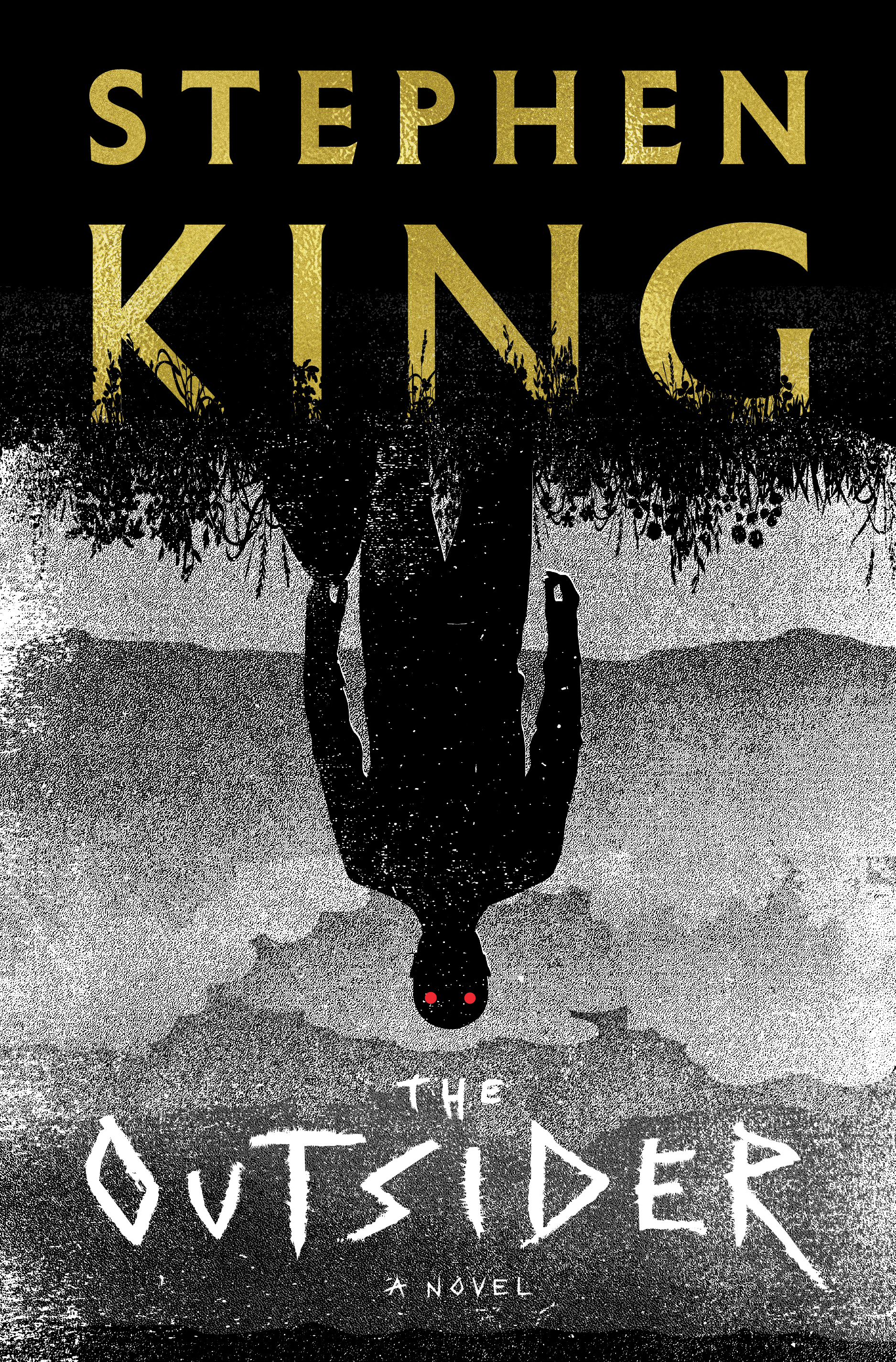 It is Valentine’s Day, my darlings, and what better way to celebrate than with a nice horror novel? That’s right, life sucks and then you die, and some people die in horrible, awful ways. How nice that Stephen King is always here to tell us in graphic detail the myriad of ways in which those poor unfortunate souls are oofed. Happy Valentine’s Day!
 This novel is the first work of historical fiction written by author, Annie Lyons. Prior to this dive into history, she had released several titles in the genre of Uplit, and I think this is important to understanding the reason for some of the qualms I had with The Air Raid Book Club, which I will get into later. First of all, what is Uplit? Essentially, as suggested by the title, it’s uplifting literature that’s packed with emotion, life lessons, and has an intense focus on human relationships. There’s often a quirky every-man/woman character who starts off a bit curmudgeonly and softens a bit over the course of the story. Think A Man Called Ove by Fredrik Backman or Eleanor Oliphant is Completely Fine by Gail Honeyman, two of my personal faves. There’s a major element of self discovery no matter the age of the protagonist. So, with this little intro to the genre, let’s keep that in mind as we explore this book a bit further.
  I had absolutely no expectations when I picked up this novel. The cover was quite intriguing, but I’d never read any books by Phillips despite her having quite a few titles under her belt. This book was, in fact, a National Book Award Nominee for fiction in 2023. The concept of a book set at a late-1800’s asylum led me to believe it would be insanely dark and ridiculously disturbing in a very fascinating way. That was not, actually, what I found upon reading this novel.



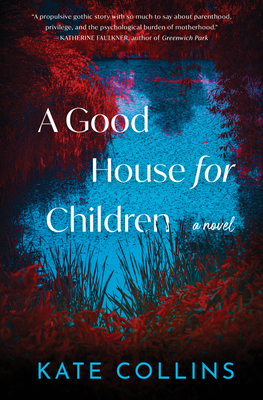 There’s always room for another creepy old house story. I don’t particularly want to live in one, but I sure love reading about them. There’s another Kate Collins out there writing cozy mysteries with delightful titles such as “Dearly Depotted” and “Sleeping With Anenome” and, note to self, I need to check out this Flower Shop Mystery series. However, this is not THAT Kate Collins, as there’s nothing fluffy about A Good House for Children. This is the debut novel of Ms. Collins, an Irish-born writer now living and working in England.
