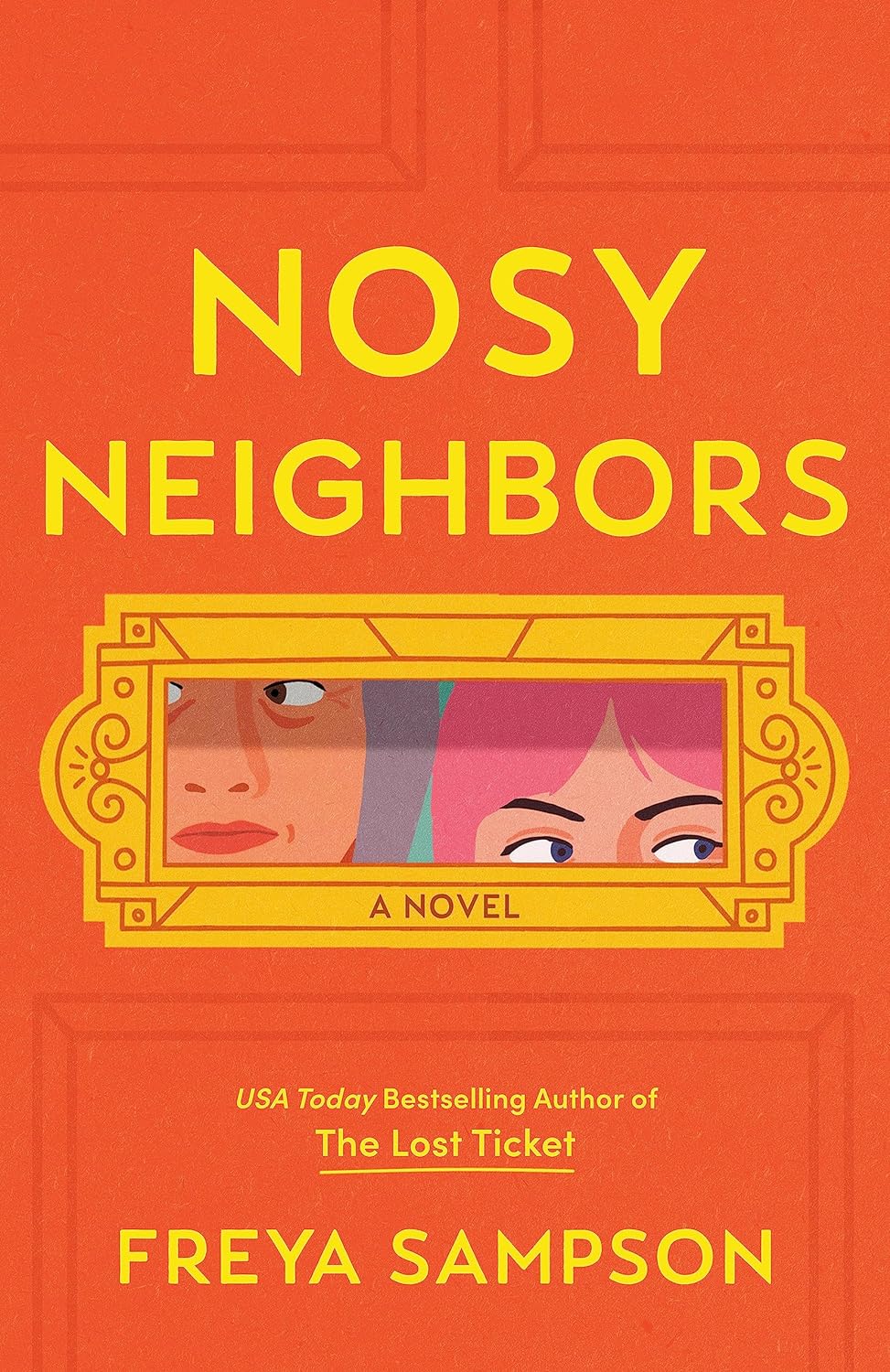
 Every now and then you come across a book that’s exactly what you needed at exactly the right time. A palate cleanser, of sorts that pulls you out of the funk of reading some deep and depressing stuff. Nosy Neighbors is one such book. It’s refreshing, heartfelt, and makes you believe that at least some sector of humanity is worth saving.
Synopsis
Despite being plagued by bad memories of the place, Kat Bennett is drawn back to her hometown. When she answers an ad for an open room at the crumbling and historic Shelley House, all she remembers about the place is the story of the creepy old witch that lives in the house and preys on children. What she finds is an eclectic mix of tenants, most notably of which is Shelley House’s longest resident, seventy-seven-year-old Dorothy Darling (Ms. Darling, to you). Dorothy keeps to her flat watching any and all comings and goings and ensuring everyone abides by rules. When Kat’s landlord, Joseph, is attacked in his apartment, it just might be Dorothy and her notebook of offensive happenings that can crack the case. While Dorothy finds Joseph to be completely odious, she’s willing to aid in the investigation lest the culprit strike again. Is the attack related to Joseph’s campaign to stop the mass-eviction of Shelley House’s residents in preparation for its imminent demolition or is something else sinister at play? As unlikely a duo as they may be, Kat and Dorothy may be the only ones who can solve the mystery, and hopefully with the help of the other residents, save Shelley House in the process.
Review
The last thing I want to do to a talented author is compare them to someone else, but I can’t help but feel a very Fredrik Backman vibe with this novel. Of course, Sampson lends her own special voice and special touch to this book, and it’s a unique and lovely story. While the “cranky old person meets jaded millennial” theme is far from new, Sampson managed to make it feel fresh. Each and every character is valuable to this story, playing an important part in not just building a narrative but in building the portrait of a beautiful and diverse community. So often we all exist in our own separate spheres, never forming connections with the people who orbit our spheres. It shouldn’t take brutal attacks to bring us all together, but sometimes that’s what happens. Opening your heart to someone else’s pain can act as a balm for our own festering wounds and scars, and as readers it can be so beautiful to watch characters we’ve grown to love so much begin to heal one another and heal themselves.
I’m not going to go into anything in regard to plot, because there’s really a lot going on here. It’s a twisty mystery with a wonderful and refreshing dose of humor and heart. Thematically, it does drop into some really dark places surrounding grief and abuse. The audiobook narration is positively divine as performed by Sarah Lambie who managed to accentuate the personalities of both Dorothy and Kat just perfectly. And with Sampson’s expert storytelling, we are gifted a highly satisfying conclusion that’s at once exciting and touching. It might just bring on some tears if you have the capacity for feeling human emotion. I highly recommend.
P.S. – There’s a charming dog. Need I say more?
Published April 2, 2024 by Penguin Audio. ISBN 9780593550526. Runtime 11 hrs, 9 mins. Narrated by Sarah Lambie.
 This title is an entry for my reading challenge for the year. It takes the first spot for the Alliterative Title pick.
 I’m currently reading two books. The first is a historical fiction by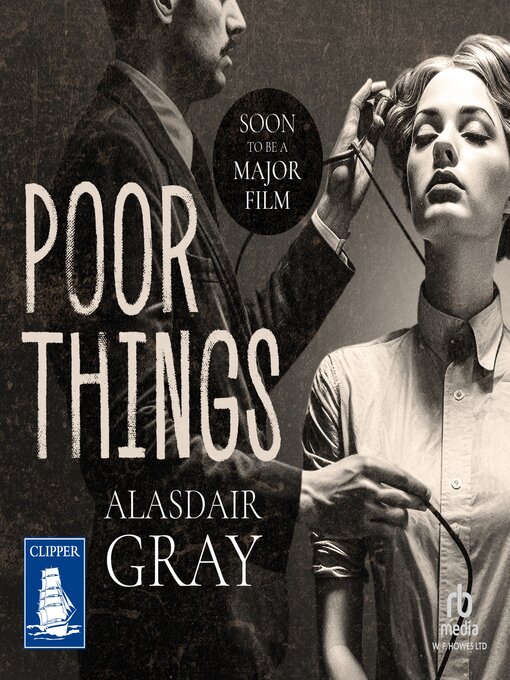

 On deck I’m still a little tentative about my picks. I checked out several from the library so may change my mind about which to start next. But I plan to read Interesting Facts About Space by Emily Austin.
 The world of publishing can be a fickle place. One minute vampires are trending to be replaced by witches or werewolves the next cycle. Things usually cycle back again, but it’s a bit like the tide going in and out. You know what doesn’t go out of style, however? Creepy old houses. Why? Because they are awesome.
  In 1941, 100 copies of a memoir by Alice Edna Bush Berry were published privately by a small press. The book was called “The Bushes and the Berrys” and recounted the family histories of the Bush and Berry families and their subsequent adventures into the Klondike where they would strike it rich, as well as their later foray into the oil business.
 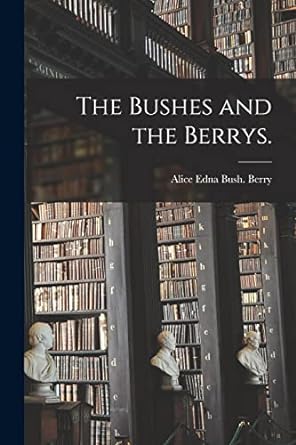 Eighty-two years later, Ariel Djanikian, a descendant of the Bush and Berry families, would release this novel that delves much more deeply into the impact the Gold Rush not only had on this one family, but also on the landscape and the groups of Natives displaced by the rush of white Americans hell-bent on claiming the “free” land that would make them rich.


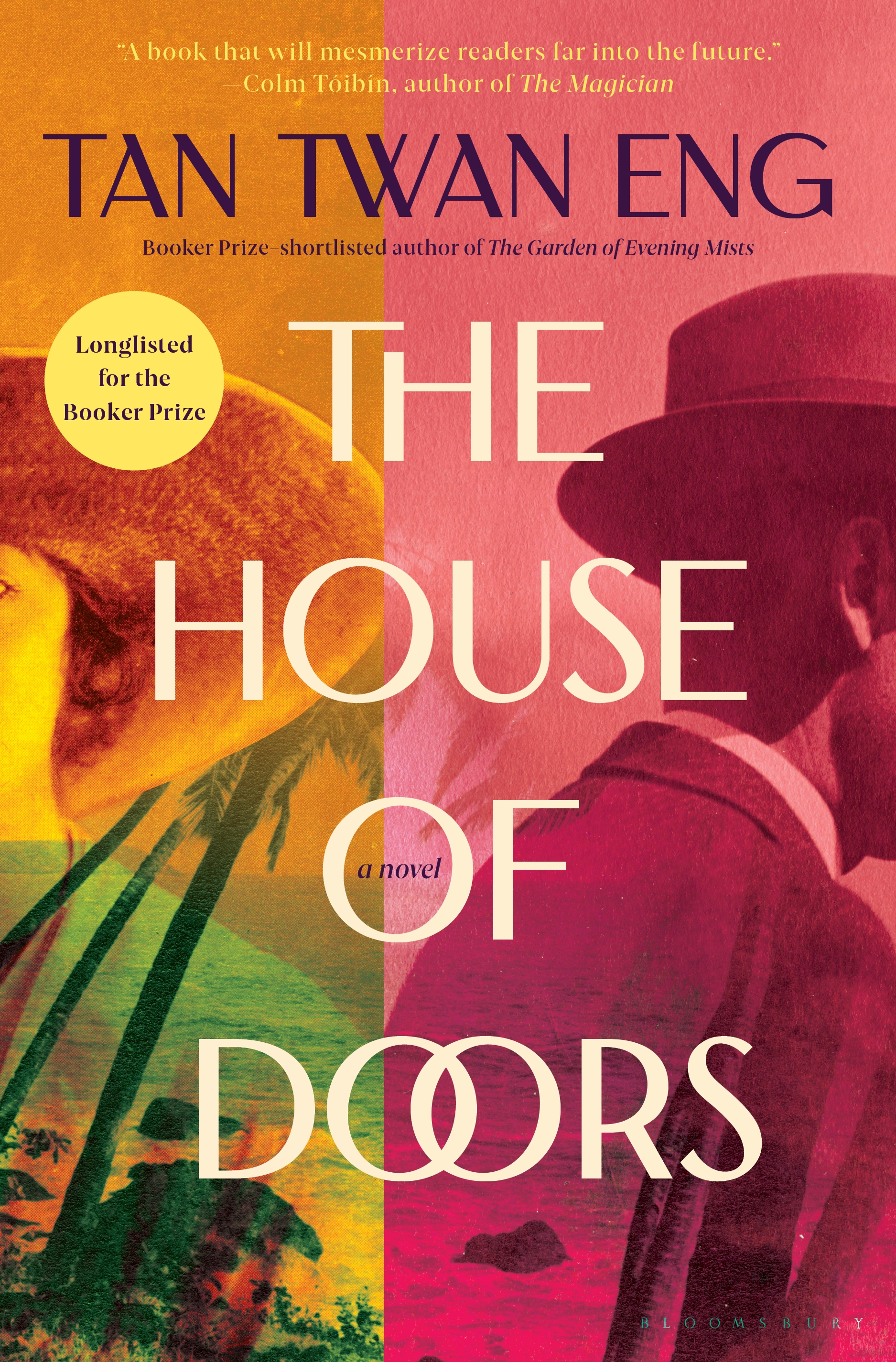 This is my favorite question and often the most difficult one to answer. My only planned read is The House of Doors by Tan Twan Eng. I actually started this audiobook a while back and got distracted by something else almost immediately, so I will go back to it and start over again when I finish Poor Things. From there, the possibilities are endless! That’s it for me. What are you reading lately?
 This positively delightful cover is the first in a new series by Benedict Jacka, who is otherwise known for his Alex Verus series. I haven’t read it, but it’s quite popular with readers of urban fantasy. As a reader, I’m not particularly dedicated to any one genre, which gives me a lot of variety, but I’m far from a fantasy aficionado. I enjoy a good fantasy title from time to time. This one I mostly chose because of the cover art. Translation: presence of cat on cover. No really, the cover is gorgeous. And … cat. Ok, in all seriousness this one is my reading challenge pick for a book about or including cats in some capacity, so score one for me.
  There’s a lot of potential for Jacka to knock it out of the park in the subsequent books. He’s got a great setup, and he left us with a pretty major teaser in the final words, so time will tell if he can capture that full potential in execution. He’s good at crafting action sequences that are fast-moving and suspenseful, and I anticipate there will be a major uptick in these from this point forward. Also, on Jacka’s blog he JUST announced the cover reveal for the 2nd in the series, and it’s also a beauty. It’s planned for release on October 15, 2024, so that’s something to anticipate.
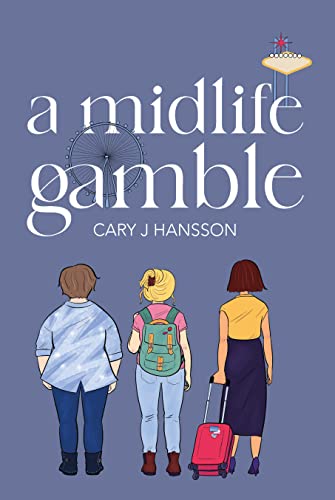 I guess you could say I’m reviewing the entire Midlife Trilogy in one review, because I read the first two during my slight unplanned hiatus from blogging and their reviews wound up being really quick goodreads reviews. I didn’t do them justice, and that isn’t fair because this is a really wonderful series. All three books follow three friends: Helen, Caro and Kay. Each woman is unique to her own experiences, but they have a bond forged by almost a lifetime of shared history. The Midlife Trilogy begins with
  A Librarian and Her Books