
 This title takes the place of my Young Adult fantasy read for my reading challenge. I pretty much chose it at the library off the new YA shelf because the cover was so compelling. It’s not rare to find fiction based on folklore and mythology, but it is rare to find titles based on the mythology of the Pacific Islanders. In this novel, we follow Hanalei of Tamarind, once a revered lady from a royal family. When we meet her, she’s living in exile following the actions of her father who absconded from Tamarind with something important in order to save his daughter. After several years of scraping by to survive, she finds herself studying sea dragons. These majestic creatures are hunted by most, and their eggs, called dragonfruit, are richly sought for their magical properties. After encountering a group of dragons bearing dragonfruit, Hanalei finds herself back in Tamarind for the purpose of helping her childhood friend, Sam, obtain dragonfruit to save his mother who has been stuck in a permanent state of unconsciousness for the past 10 years. Together they will rekindle their old friendship and battle foes, both magical and human, on a quest to restore the future queen to her place on the throne.
Review
Truly, this is one of the most unique and refreshing storylines. I applaud Lucier’s ability to come up with something that hasn’t been done before. I liked Hanalei as a character. She’s strong, independent, complicated, and highly intelligent. I don’t think Sam was quite as well developed, and it was quite difficult to understand the chemistry between the two. We basically just know they were great friends, and they still like each other. A lot. I can’t say that we truly get to see how powerful their bond is or the potential it has to grow into something more. The adventure at hand takes center stage, and I normally like that. I would, however, like to be able to feel the chemistry if it’s a romance.
If you are, like me, a person who can read a book in which people are mercilessly mowed down but have serious issues with animal deaths, this isn’t the book for you. It may be due to the fact that Lucier did a wonderful job bringing the animal/magical creatures to life in this, infusing them with personality and complexity. She did a better job with them than with the human characters, if I’m being honest. That really makes a lot of what happens to be difficult to handle, especially because she doesn’t give us much of a break from it.
I had a few issues with pacing and found myself losing focus sometimes. It honestly took me a while to get through this one, as short as it was, because I’d get distracted by other things. Overall, I’d say I enjoyed the refreshing and unique vibe, but the execution could use a little polish.
Published April 9, 2024 by Clarion Books. ISBN 9780358272106. Hardcover. 356 pages.
 I’m pretty much always behind the times, as evidenced by the fact that this memoir was a Goodreads Choice Award nominee for best memoir and biography back in 2018. I’m surprised I hadn’t read it yet, because I’ve adored Sally Field for about as long as I can remember. Even as a kid, I could feel how authentic and human she seemed, and I fully grasped her range and skill as an actor as I grew and watched more of her films. In this memoir, she briefly touches on her acting roles, but it’s much more about the relationships that shaped her as a woman, an actor, and a mother.
 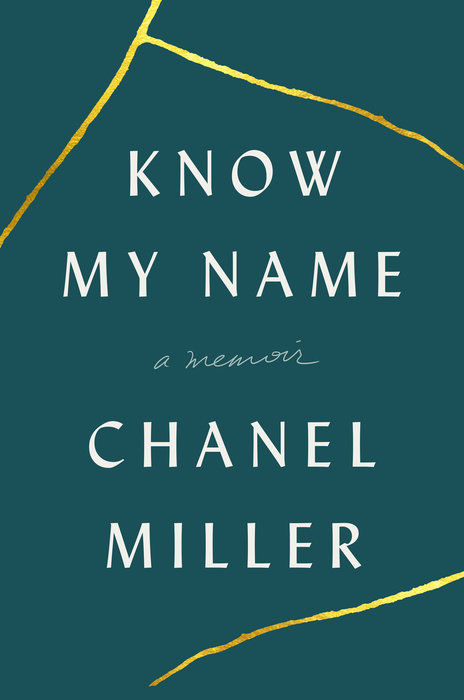 My reading selections have been a bit depressing lately. Honestly, they’ve been downright infuriating. You may not recognize the name of the author of this memoir, but you certainly know of her. We only knew her as Emily Doe in the rape trial that shook the nation back in 2015, a trial in which the sentence would anger millions and result in the subsequent recall of the Judge. Despite her victim impact statement going viral, her rapist was treated with compassion at the loss of his “potential.” She was seen as merely a body. This memoir is her way of reclaiming her story from those who would paint her as something she is not. For the purpose of this review, I’ll just refer to her attacker as what he is. I won’t say his name. You know who he is.
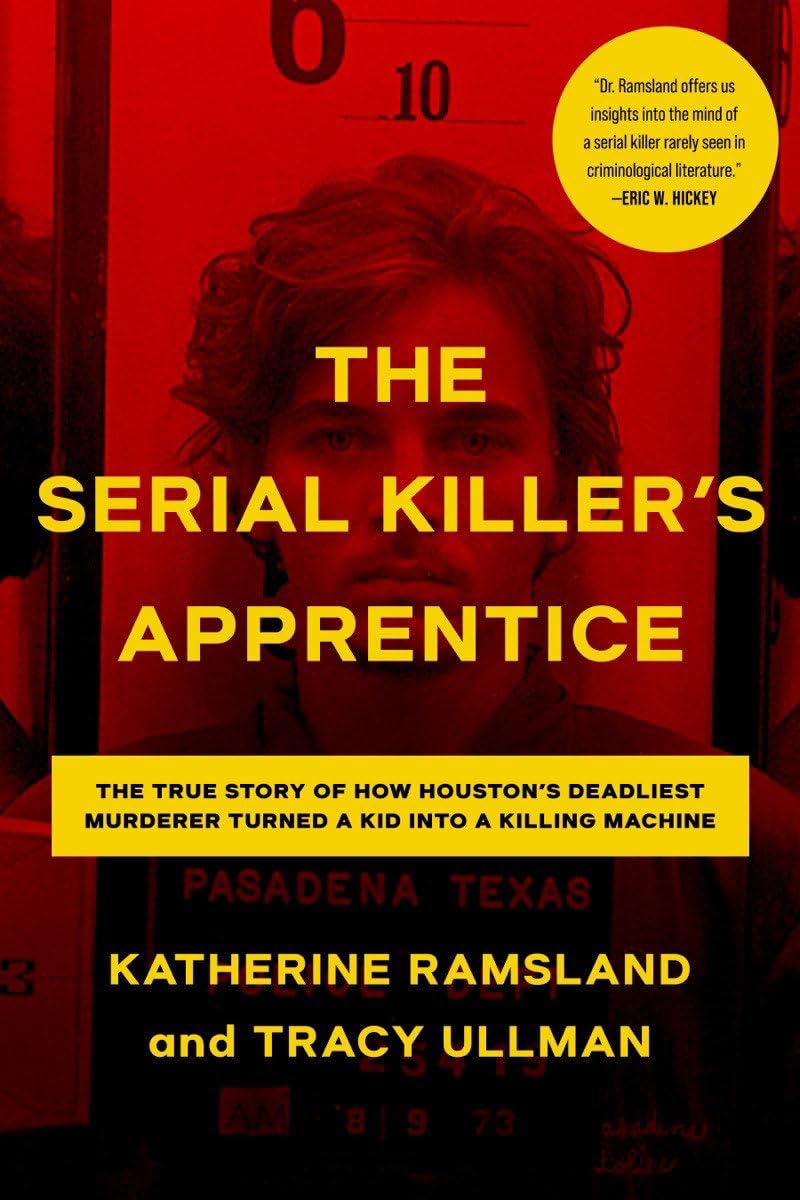 I spared you the full title of this book in the blog post title, as it’s a mouthful. In truth, the full title also includes the tagline, “The True Story of How Houston’s Deadliest Murderer Turned a Kid into a Killing Machine.” As with any other GOOD true crime title, this one aims to set aside the prevailing pieces of misinformation that have permeated the narrative over the years and set the record straight as to the true and, often, much less black and white reality.
  I initially found this book so intriguing because of the cover. Look at it, it’s utterly gorgeous and definitely exudes magic. However, I also initially had the fear that it might verge into the world of schmaltz, and I don’t really enjoy that, which is why I generally read outside of the romance genre. Having never read any other Moorman books, I had no idea what to expect. Overall, I wound up being pleasantly surprised despite having some issues.
 I recall telling someone once that if Fredrik Backman wrote a book about poop I would still read it. Well… I did! Sort of. I mean, one chapter was about poop. There was some stuff about IKEA, some stuff about the heartwarming world of the WWE, some super serious football talk, and a few other things, but there was definitely poop. And I loved every second of it.
 Julia Alvarez is widely considered an icon in the realm of literature, and when you get the pleasure of reading her prose, you completely understand why. Her words are effortless and timeless. Having just passed the age of 74, it’s no surprise that she would become reflective on the stories that she never told, the manuscripts that remain boxed and bundled, only having been digested by the hand that penned them. It’s a beautiful and wonderful question. What becomes of these stories?
  Postcards From the Edge is Carrie Fisher’s novel , published in 1987, that marks the first book in the Suzanne Vale series. She would later publish the sequel in 2004 that continued the saga of Vale’s struggles with addiction and mental health. Billed as semi biographical, I would argue it’s more biography than not. I feel like Fisher created Vale, a well-known actress whose struggles with addiction and spiraling mental health have had an impact on her career, as a way to safely explore her own struggles behind the protective barrier of poetic license. In truth, the whole book reads like a series of essays exploring the psyche of someone navigating the two worlds of fame and recovery. We see a bit of her experiences while in rehab and then her subsequent return to the “real world,” especially as she tries to match up the Suzanne she is now with the one everyone expects to see.
 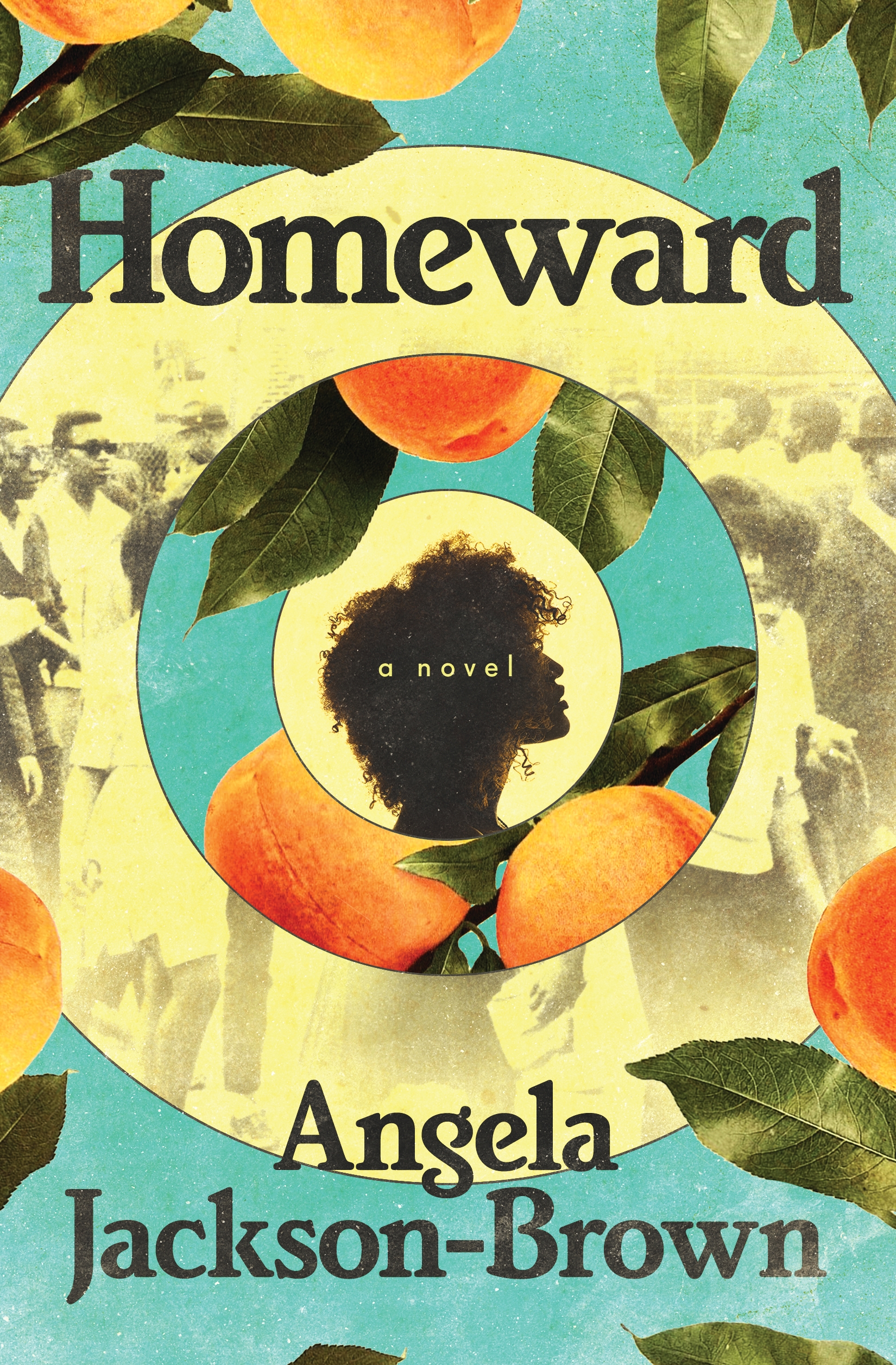 I chose this book as my reading challenge pick for an Own Voices story. Jackson-Brown is a prolific writer in addition to teaching creative writing at not one, but two, universities. She’s a poet, playwright, and novelist with several highly-rated titles of historical fiction surrounding the American black experience during the Civil Rights era.
  First, let’s talk about the Student Nonviolent Coordinating Committee, or SNCC (their logo pictured here). Jackson-Brown sets this novel before a very real backdrop. SNCC was an organization made up of young, idealistic students founded in the 1960’s. It was inspired at first by the famed sit-ins at segregated lunch counters across the South. It was positively instrumental in gathering support and affecting change during the 1960’s. There’s a possibility you haven’t heard of SNCC before, but I’m sure you’ve heard of Congressman and Civil Rights icon, John Lewis, one of the original organizers of SNCC. He and Hosea Williams famously led a march across the Edmund Pettus Bridge in Selma, Alabama, on what would later be deemed “Bloody Sunday,” on March 7, 1965. Unlike many other attacks by white authorities on peaceful protestors, this march was widely reported, and videos and images of the atrocity helped to finally turn the eyes of all Americans to the injustices. Public opinion finally turned to the right side of history. On August 6, 1965, President Johnson would sign the Voting Rights Act into law. Why am I telling you all this? SNCC was a big freaking deal.
