
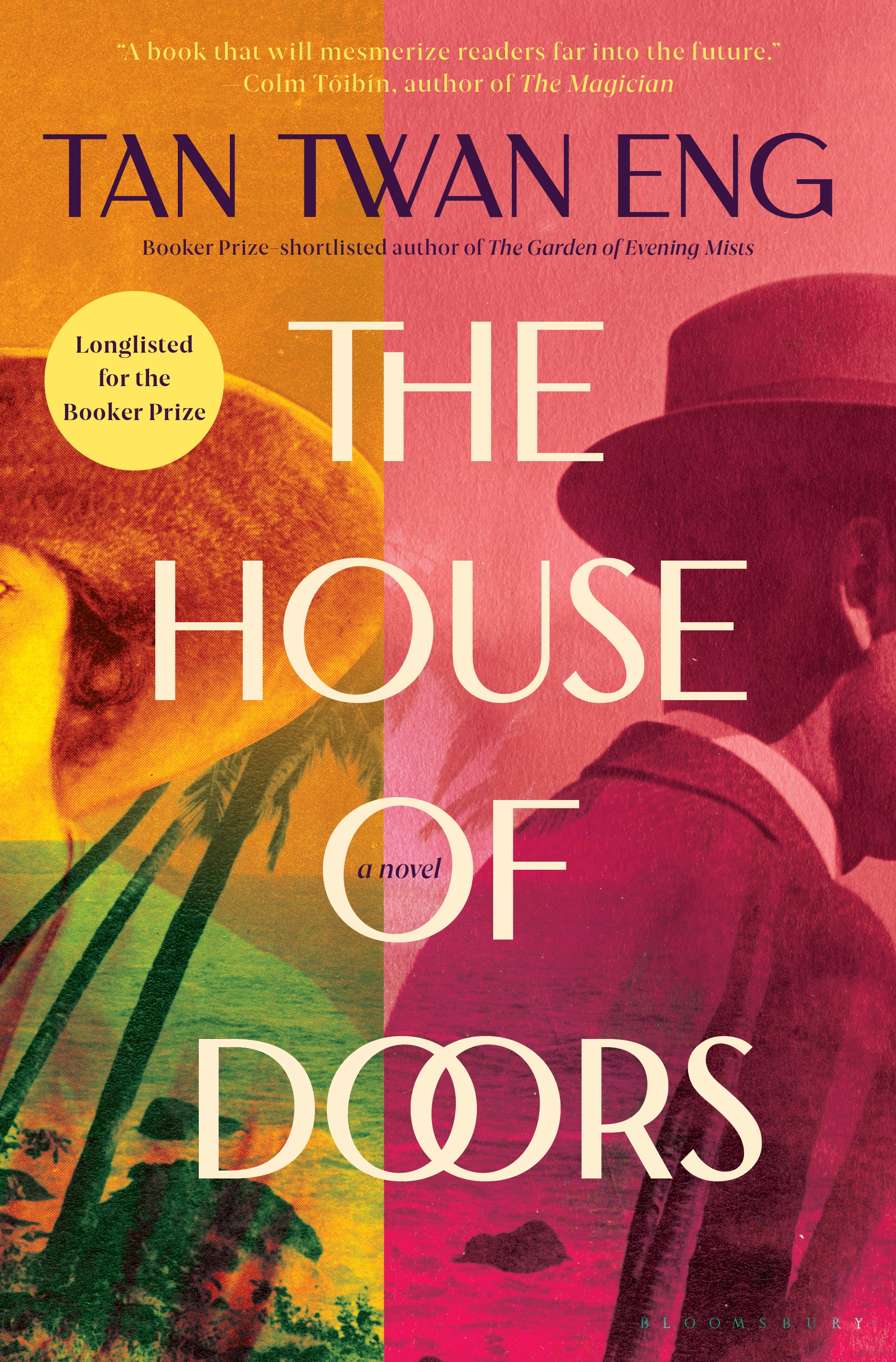
 W. Somerset Maugham is one of those writers who has always held a place on my to-read list but I have just never gotten around to reading him. That’s a real pity, because I feel that familiarity with his work would have been quite helpful in the reading of this novel. In part, it is an imagining of the people and historical events to which he was exposed on his trip to Malaysia in the 1920’s that inspired him to write his collection of stories, The Casaurina Tree. Maugham was apparently prone to using the lives of real people he encountered in his stories, something that prompts the husband of our leading lady, Lesley Hamlyn, to warn her not to share too much information with “Willie.”
I’m getting way ahead of myself, so let me back up a bit. The bulk of the drama in House of Doors, takes place in Penang in 1921 at Cassowary House, the home of Mr. Robert Hamlyn and his wife, Lesley. Somerset Maugham, who Robert and Lesley affectionately call Willie, has come to stay with his old school friend and his wife in the company of his secretary/lover, Gerald. Readers should keep in mind that this is far from an accurate historical account of Maugham’s life. Lesley and Robert, for instance, are fictional people borrowed from Maugham’s story, The Letter, which told a story inspired by the real-life murder trial of Ethel Proudlock in 1911. Eng keeps the fictional Ethel as Ethel which Maugham had changed to LeslIE, but now Ethel is best friends with LeslEY who tells the story of the murder and subsequent trial to Willie. Follow me so far? Probably not, and that’s totally ok. I kind of view this song and dance as Eng’s paying homage to Maugham while at the same time poking fun at his super half-hearted attempt at ensuring those who inspired his stories remain “anonymous.”
As readers, we get two perspectives: the first person narrative by Lesley and a third person narrative following Willie. In this respect, we get to be somewhat of a fly on the wall to Maugham but we also get first-hand perceptions of the writer from those close to him. We are introduced to him at a time in which he faces dire financial troubles due to a bad investment and his marriage to his wife, Syrie, is in shambles. He spends most of his time traveling since his lover, Gerald, has been banned from their home country due to a “homosexual incident” in 1915. He desperately needs something to publish so that he may escape utter financial ruin, which he fears would drive away Gerald, a young man accustomed to being pampered by his wealthy benefactor.
As Willie and Lesley bond, she opens up to him about the secrets of the past and the secrets of her own marriage. Through their shared histories, we explore themes of love, devotion, race, gender, sexuality, and of course all of these intense sociopolitical events that shaped modern China and the British-occupied Malay peninsula in the early 20th century. Penang, as it were, was a major center for trade during this period bringing a large and diverse population. This population included a large number of Chinese-born immigrants, and the novel includes a fictionalized version of the Chinese revolutionary Sun Yat-sen on his visit to Penang as he sought to drum up support for his cause. Lesley narrates to Willie her dealings with Sun Yat-sen and her growing interest in the plight of China. All of this helps us to understand Lesley’s transition into a stronger and more complex woman of the world. I greatly admired the way her story unfolded and had a completely different idea of who she was from the first chapter to the last.
This novel is a deeply complicated undertaking that succeeds because it was put to page by the competent hands of someone as skilled as Tan Twan Eng, and it’s no surprise it was longlisted for the Booker Prize in 2023. While I wouldn’t call it masterful, it’s still a highly compelling narrative with a lot of depth of character. I definitely recommend it, especially for fans of historical fiction looking for a work that explores settings often neglected in the literary realm. It also poses a lot of challenges to our preconceived societal notions of morality, which I can definitely appreciate.
Published October 17, 2023 by Bloomsbury Publishing Plc. ISBN 9781639731930. Runtime 11 hrs 15 mins. Narrated by David Oakes and Louise-Mai Newberry.
 It’s 1948, and Irene Willard finds herself left at the doors of an old mansion-turned hospital. All women at this hospital, like her, have only ever experienced the heartbreak of lost pregnancy and are desperate to deliver to their husbands that gift of a child. Under the care of an enigmatic husband and wife duo of doctors, the women undergo experimental treatments that promise to bring their pregnancies to term. As Irene’s pregnancy progresses, strange things begin happening at the hospital. She will find herself doubting both her own sanity and everything she’s been promised by the doctors.
 Are you one of those parents who has lots of anxiety over the effect technology is having on our kiddos, especially their obsessive need to have faces buried in tablets? Would you like even more stress and anxiety mixed with guilt over what you’ve allowed to happen? Then read this book. Ok, I’m sort of joking about that. I actually think this book presents some amazing points and amazing ideas for breaking the hold technology has on our kids, though I did have some issues with it. That being said, I want to make it clear that my response to this book is solely my opinion on the issue. I don’t wish to imply any one philosophy or style is correct or incorrect. We are all doing our best. Let’s get into it, shall we?
  Alexandra Quinlan has gone to great lengths to separate herself from the night that changed her life forever, the night her entire family was massacred leaving her the only survivor and the initial prime suspect. Ten years after the murders and after increasingly tumultuous years in which she fought to clear her name and get justice for the mistreatment she received by both law enforcement and the media, she now does some investigative work for a law firm. She’s changed both her name and her look, no longer recognizable as “Empty Eyes,” the name given to her by the media on the night of her family’s murder. When a particularly disturbing investigation leads her to clues regarding her own family’s still-unsolved murder, Alex finds herself back in the past reliving that awful night and pulling her into a dangerous world of secrets for which she may not be prepared.
 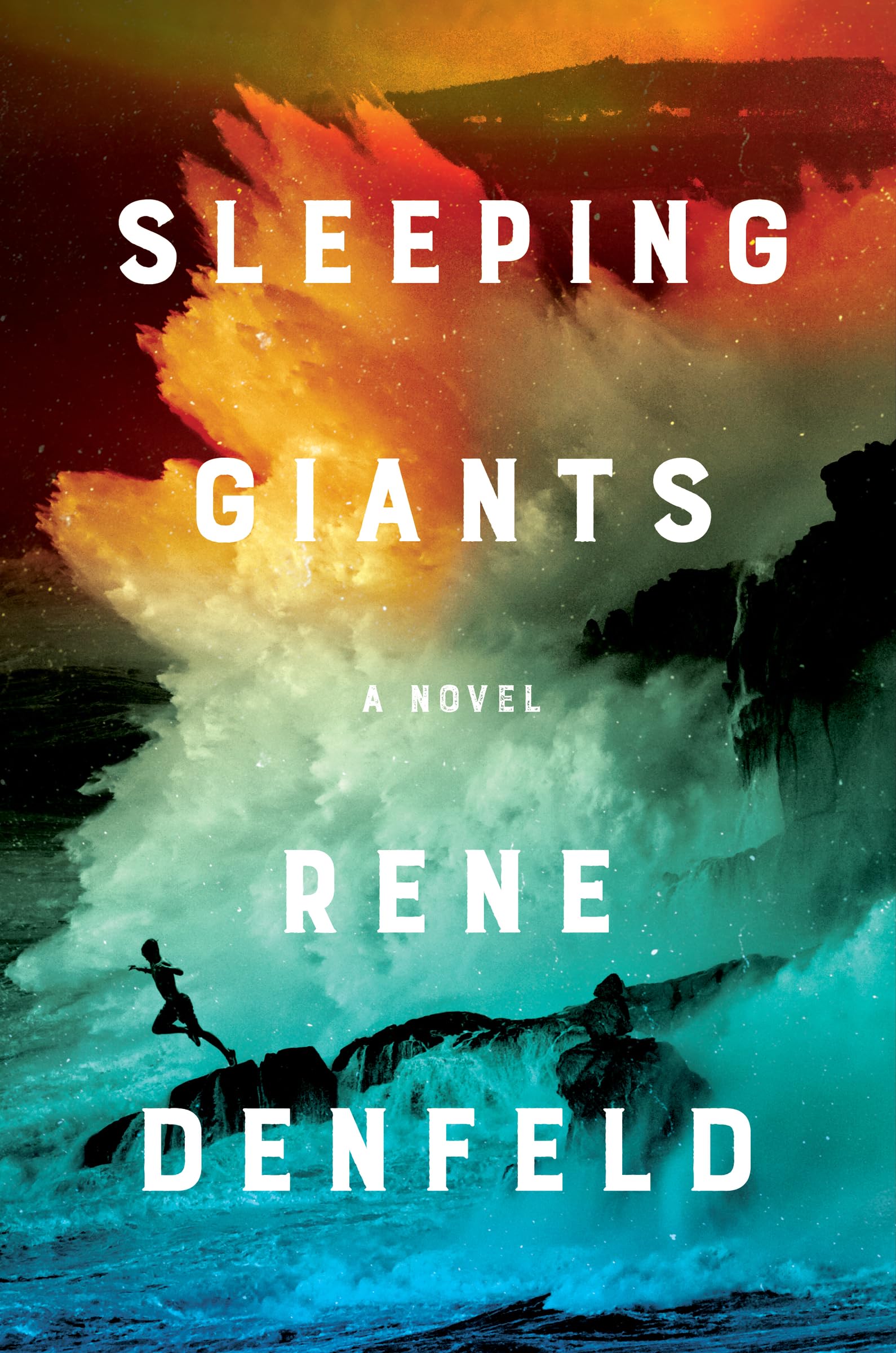 In hardback, I’ve basically just started a book with a gorgeous cover, a new novel by Rene Denfeld titled Sleeping Giants. It’s an intriguing mystery with some pretty dark themes, but I’ve really enjoyed what I’ve read so far. It’s a powerful narrative.
 I have more audiobooks queued up at the moment than I can handle. I’m planning on first reading TJ Klune’s follow-up to the delightful The House on the Cerulean Sea that was just released this week. It is Somewhere Beyond the Sea, and I positively can’t wait! If you haven’t picked up the first in this series, I can’t recommend it enough.
  Just a warning, it’s going to be a very Charlie Donlea week up in here at A Librarian and Her Books because I inadvertently wound up reading two of his in a row thanks to him being a book club pick by one of our Read Between the Wines members. This one, The Girl Who Was Taken, was the one I chose independently without even realizing he’d also penned our book club choice.
 This title takes the place of my Young Adult fantasy read for my reading challenge. I pretty much chose it at the library off the new YA shelf because the cover was so compelling. It’s not rare to find fiction based on folklore and mythology, but it is rare to find titles based on the mythology of the Pacific Islanders. In this novel, we follow Hanalei of Tamarind, once a revered lady from a royal family. When we meet her, she’s living in exile following the actions of her father who absconded from Tamarind with something important in order to save his daughter. After several years of scraping by to survive, she finds herself studying sea dragons. These majestic creatures are hunted by most, and their eggs, called dragonfruit, are richly sought for their magical properties. After encountering a group of dragons bearing dragonfruit, Hanalei finds herself back in Tamarind for the purpose of helping her childhood friend, Sam, obtain dragonfruit to save his mother who has been stuck in a permanent state of unconsciousness for the past 10 years. Together they will rekindle their old friendship and battle foes, both magical and human, on a quest to restore the future queen to her place on the throne.
  I’m pretty much always behind the times, as evidenced by the fact that this memoir was a Goodreads Choice Award nominee for best memoir and biography back in 2018. I’m surprised I hadn’t read it yet, because I’ve adored Sally Field for about as long as I can remember. Even as a kid, I could feel how authentic and human she seemed, and I fully grasped her range and skill as an actor as I grew and watched more of her films. In this memoir, she briefly touches on her acting roles, but it’s much more about the relationships that shaped her as a woman, an actor, and a mother.
  My reading selections have been a bit depressing lately. Honestly, they’ve been downright infuriating. You may not recognize the name of the author of this memoir, but you certainly know of her. We only knew her as Emily Doe in the rape trial that shook the nation back in 2015, a trial in which the sentence would anger millions and result in the subsequent recall of the Judge. Despite her victim impact statement going viral, her rapist was treated with compassion at the loss of his “potential.” She was seen as merely a body. This memoir is her way of reclaiming her story from those who would paint her as something she is not. For the purpose of this review, I’ll just refer to her attacker as what he is. I won’t say his name. You know who he is.
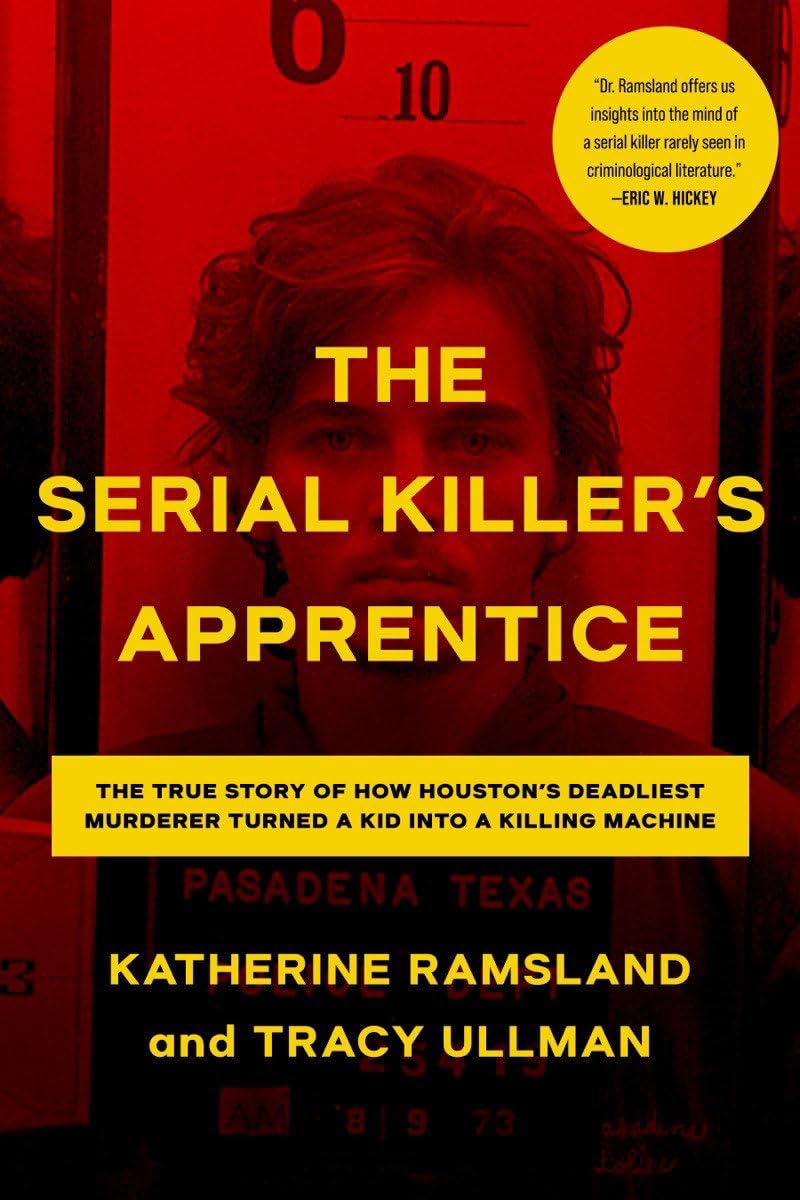 I spared you the full title of this book in the blog post title, as it’s a mouthful. In truth, the full title also includes the tagline, “The True Story of How Houston’s Deadliest Murderer Turned a Kid into a Killing Machine.” As with any other GOOD true crime title, this one aims to set aside the prevailing pieces of misinformation that have permeated the narrative over the years and set the record straight as to the true and, often, much less black and white reality.
  A Librarian and Her Books