
 Faye, Faraway is the debut novel by British author, Helen Fisher. It’s a relatively short read at just under 300 pages, and I managed to read it in about three sittings before bed. This is low fantasy, and it focuses more on the human aspects of the story, predominantly grappling with grief and loss into adulthood as well as coming to terms with unknown elements of one’s past.
Synopsis
Faye is a happily married mother of two little girls, Esther and Evie. Life is pretty much perfect, except for the fact that she hasn’t yet figured out how she feels about her husband, Eddie’s, plan to become a vicar. She has a good job that she enjoys, and her life has felt complete except for one very important aspect. She lost her mother under very strange circumstances when she was 8 years old. Now in her thirties, she still doesn’t understand exactly what happened to her mom all those years ago. One day, after coming across an old picture of her as a child sitting inside the box to a space hopper toy from the 1970’s at Christmas, she finds the very same box in the attic of her house. She steps inside the box and is transported back through time to 1977, a time before her mother died. Faye realizes she can use the space hopper box to travel back in time to visit her mother and the pint-sized version of herself, stay as long as she likes, and only three hours have passed in the present by the time she returns home. Drama ensues in both timelines, and Faye begins to realize how dangerous her actions are. She fears the effect she will have on both the past and the future. Can she salvage a relationship she’s been mourning for 30 years without damaging the relationship between herself and the people she loves today?
Side note: I was an 80’s kid, and I wanted to know what a space hopper was, and I found it. Frankly, when I first started reading the book, I envisioned the product from the 80’s that was actually called a pogo ball. Here is a comparison of both just for fun, as well as a delightfully random story about a man who crossed the Alps by bouncing on a space hopper the whole way. Enjoy…


Review
I really wanted to like this book a lot. I enjoy a great time travel novel, especially one with a pretty inventive premise, like this one. I kind of like the idea of the mode of time travel being tied to a sentimental object from childhood. I only wish it had been more of a sentimental object from her childhood. The toy, itself, didn’t really seem to be of that much significance to Faye as a child, so it’s really just that the box was the only thing left from that time period. It was a link to the past by its mere existence, which is ok but slightly less touching. Perhaps the roller skates would have made more sense, but then there’s the issue of the fact that Faye didn’t have the roller skates until Faye gave them to Faye and now my head has exploded because time travel gets confusing.
The writing is quite good and extremely lyrical. I didn’t have any issues with the pacing of the book, but something still felt a little off to me. Upon reflection, I think it all boiled down to characters. I didn’t dislike Faye, but I didn’t really like her either. I found her a bit difficult to gauge. Her motivations, especially, were a sticking point for me. And then she had a tendency to be a bit pretentious, especially with her mother. Like the scenes where she chided her for smoking pot and climbing trees. A woman who risked her life and safety to visit her long-dead mother in the past, with no regard for what would happen to her family back in the present, is lecturing said dead mother on the perils of marijuana? Plus, Faye of the present lives in a time in which we are growing to understand marijuana isn’t bad for you and, in fact, can be quite good medicinally. It’s quite grating when a character vacillates so quickly between juvenile recklessness and haughty pretension. Don’t get me wrong, I love flawed characters. I don’t want Faye to be perfect or make perfect decisions, but somehow this particular grouping of complex contradiction just didn’t work for me.
And that brings me to Eddie. I just plain didn’t like him. I’m not really sure why. He was presented as a good husband and father, but I didn’t find him believable. He was either hot or cold and rarely anywhere in between. His anger and aggression toward Faye in one part, in particular, was actually alarming, even if it came from a place of fear for her safety. And then he didn’t at all have the expected reaction to things Faye confessed, and that caught me off guard. Without giving spoilers, as well, I kind of hated the fact he was eventually given a big hero moment. I didn’t feel this was his story, and I felt that Faye was robbed of many essential powers right at the last second. Perhaps I’m the only one who felt this way, but it just didn’t sit well with me.
On another note, the ending did catch me quite off guard. Again, no spoilers… I felt like I probably should have seen it coming, but I simply didn’t. That is definitely to Fisher’s credit, because I do enjoy being taken by surprise. But I’m also left with so many questions now that the novel is over. And, I can’t really explain why without giving spoilers, but I don’t really feel like the ending was all that happy. Depending on your perspective, it’s either happy or incredibly tragic. I’m not really sure where I stand on that. Perhaps that is also to the author’s credit. What I thought would be a feel-good heartwarming story became somewhat muddled by intrigue.
One more thing: I’ve seen no other reviewers mention the Wizard of Oz parallels. Faye is swept up in a dangerous tornadic gust that blows her to another land. A pair of shoes/skates plays an integral part of her quest. And most glaringly, she’s orphaned and raised by Em and Henry, just like Dorothy Gale is raised by Auntie Em and Uncle Henry. Honestly, it’s subtle enough I’m not even sure it was intentional. I tend to overthink, and this is probably ridiculous.
Anyway, I did enjoy reading this but not as much as I’d hoped I would. Overall, 3 stars.

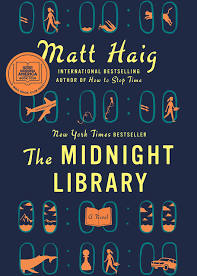
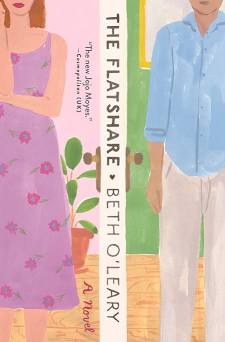





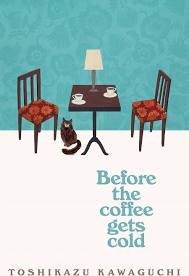
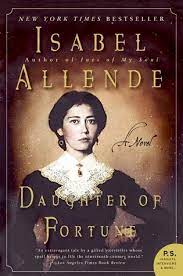




 Philipp Schott is a small animal vet and the author of two prior books,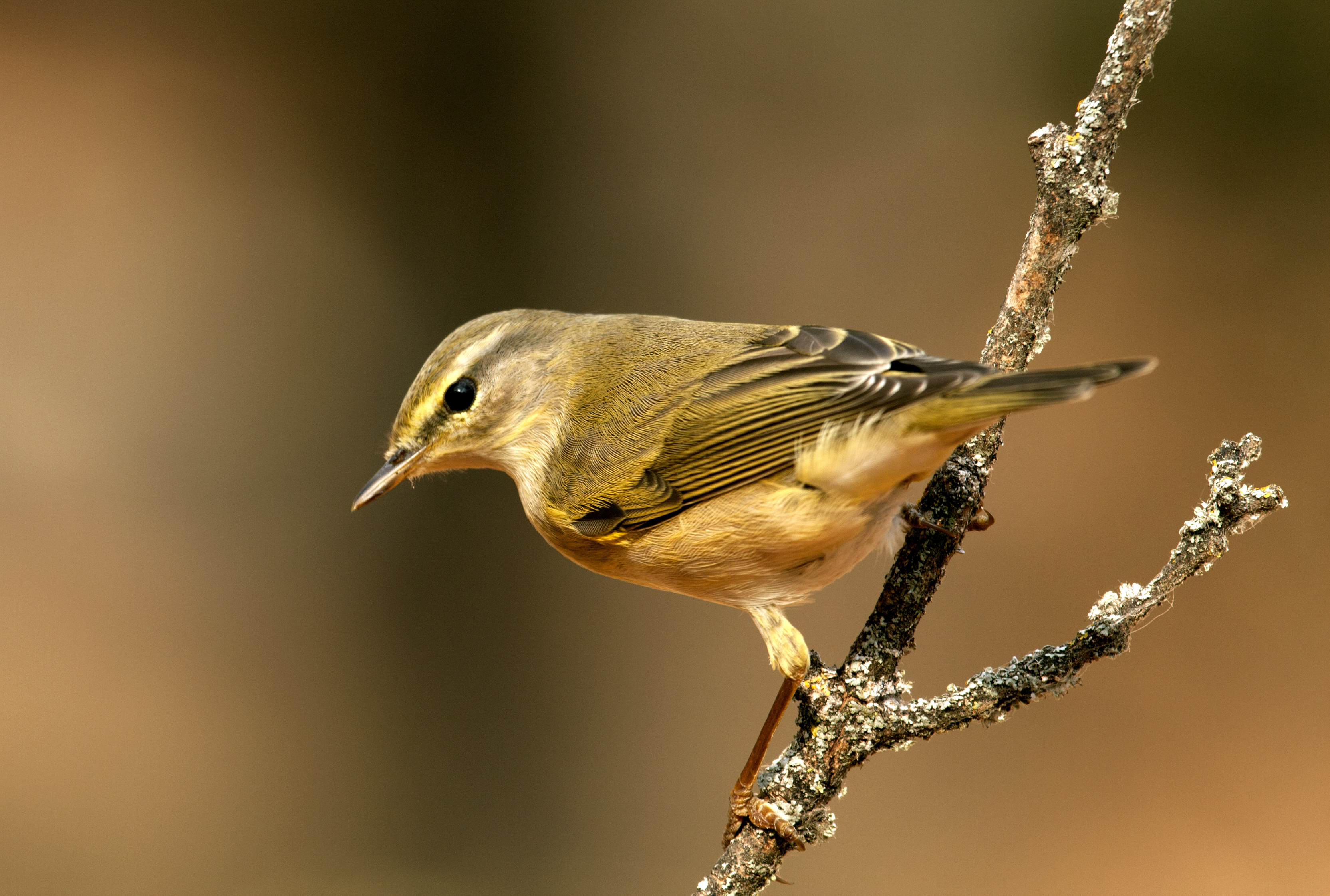
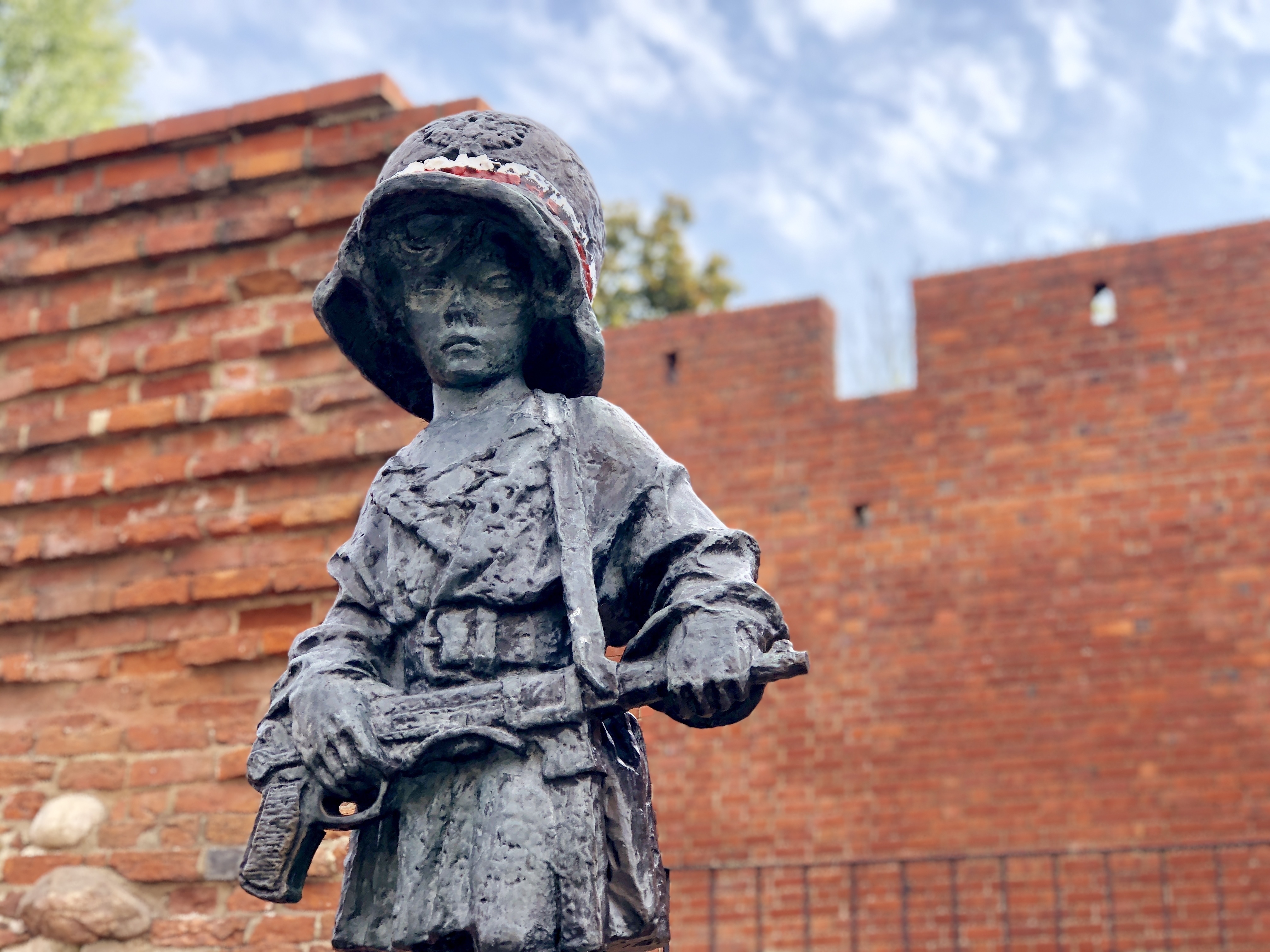 Ludwig is, perhaps, the perfect narrator for such a story. We see all events unfold through his eyes. He’s no more than a child at the beginning of the war, and he finds himself confused by illogical and unfeeling human behavior. Ludwig is quite different from his peers. He’s extremely intelligent, introverted, and he’s much more interested in being out in the forest with the birds than he is in being with other boys his age. Ludwig knows he is different, and today we can glean from the information that Ludwig is almost certainly on the autism spectrum, but in the 1930’s and 40’s, this wasn’t something parents, peers and educators would have understood. Being so different makes Ludwig the target of the other boys’ cruelty. Not only does he have to grapple with finding his own place in a world unsympathetic to boys like him, but he’s also tasked with literal survival in a country that’s being led into war by a tyrannical maniac and his boneheaded minions. He is forced to contemplate and conceptualize death before any child should have to do so. I found it fascinating the way Ludwig’s mind turned to logic, sometimes humorously, no matter the situation or how dire it truly was. He is a refreshingly unique protagonist. While I’m going to classify this one as my WWII book for the reading challenge, it could also be deemed both a coming of age story and an Own Voices story told from the perspective of someone in an under-represented demographic.
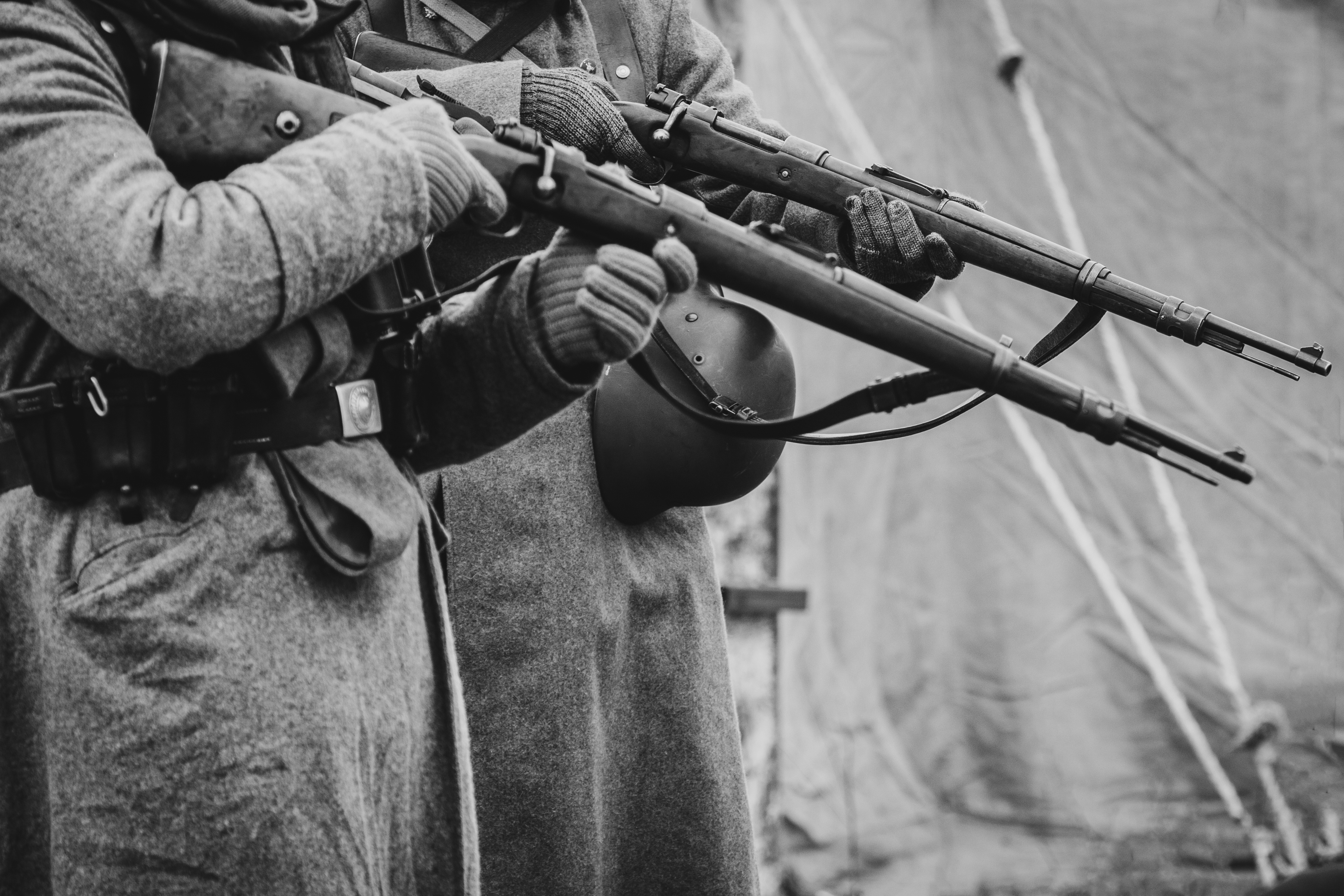 When Ludwig arrives at the Hitler youth camp, the bullying he’s always endured intensifies and thrives in the more militaristic environment, but we see how he’s able to use his resourcefulness and cunning to his advantage. What sets this book apart from many other WWII novels is that it doesn’t end with the close of the war. For the German citizens in Russian-occupied territory, they were merely transferred from one despotic regime to another. They were on the losing side of the war and had been deemed either monsters or cowards, as unfair as that latter designation may be for people who had been victimized by deceit and threats of violence. The true test of this family comes with their final attempt at escaping what was once their home in search of an opportunity to thrive.
  Today is a day that brought a fabulous surprise! I finally hit 100 Followers! And on the very same day I surpassed 500 Likes. So thank you, dear readers, for taking the time to share some love for my little labor of love. Years ago I would have told you by now I’d still be in a college classroom talking about literature, but I’d be doing it from the other side of the room. Words have always been my passion, and reading and writing are a form of therapy for me. Sometimes life doesn’t work out the way you want, unfortunately. Though I’m grateful for the job as a law librarian, at one point I realized that I missed the passion I had for the kind of books that help you escape. Sure, I was still reading in my spare time, but I wasn’t talking about the things I read as much as I’d like. I rarely felt the rush of really analyzing something. I wasn’t sharing my thoughts or my ideas. I wasn’t celebrating the inspiration I got from the pages of a book.



 And for my productivity book, I picked one up on a whim from the library simply because I need to read a productivity book for my book challenge and OH LOOK! THERE’S ONE! Librarians are so intuitive! Someone must have known that I needed to read this book, because they set it on a display right there in the middle of the library for me to find. I chose
 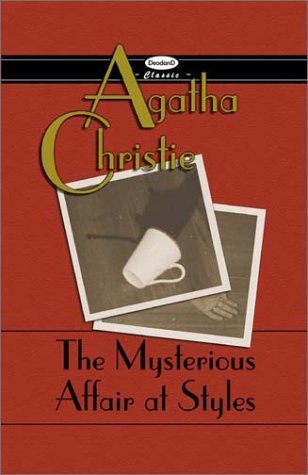 Oh my, choices choices!!! I have absolutely no idea on audio, as I typically visit hoopla or overdrive and see what catches my eye. I do have a couple on hold from overdrive with no idea what might come available, so I’m keeping that one up in the air. In paperback, I plan to pick up Agatha Christie’s debut novel,
 A Librarian and Her Books