 Let me first preface this review by saying this is at once the most infuriating and most wondrous book I’ve read in a very long time. At first glance, I didn’t think this book would be an articulate work of women’s fiction celebrating a brilliant and beleaguered scientist fighting her way through a world of utter shit bags. From the cover art, I prejudged it as being just another feel-good schmaltzy romance. Not that there’s anything wrong with that on certain occasions, but schmaltzy romances don’t usually make my blood boil and give me dreams of kicking misogynists in the balls repeatedly until they repent of their sins. There were times in this book I quite justifiably wanted to maim someone. Only really bad people, of course. I am the Dexter of women’s fiction.
It is the early 1960’s and chemist Elizabeth Zott becomes an unlikely television sensation with her breakthrough cooking show, Supper at Six. From a platform she never thought she’d hold and truly never wanted, she’s able to reach millions of women to show them a life they’ve never been allowed to pursue. As we learn more about Elizabeth’s past, it brings her present into such raw and stunning clarity, and it’s more than a little heartbreaking. It’s a true and touching tribute to the women who came before our present generation who refused to be disrespected and denied due credit for their accomplishments.
The greatest attribute of this book is character development. There was not one character who wasn’t properly crafted and presented. There are those who are imperfect but utterly lovable, and then there are those devoid of all manner of human decency. In other words, perfectly realistic! That isn’t sarcasm, btw. I actually mean that. I came to adore Elizabeth, her daughter, Mad, and their dog, 6:30. There were also characters who experienced intense growth through their interactions with Elizabeth. Some characters, one in particular, who absolutely infuriated me in the beginning of the novel I wound up liking by the end. One of the things I hate about our society of today is we seem incapable of offering people grace and compassion for prior bad ideas and actions. If we learn from our mistakes, why don’t we allow people to make mistakes and grow as humans? I mean, if they are still shit bags then I’ll see you at the weenie roast. I’ll bring wine.
I’ve read numerous reviews by other readers, and I can tell by the responses that people either love or hate this book. The biggest critique I’ve seen of the book is with Elizabeth’s personality. On the whole, Elizabeth does come across as cold and unemotional. Readers reject the idea that simply because she’s a scientist she would be devoid of emotion. Of course scientists have emotions. Just being analytical doesn’t mean you are incapable of feeling. This is fair, and I agree. However, I don’t agree that Elizabeth is unemotional only because of her love for and interest in science. She obviously feels emotions, and I think Garmus actually shows this quite well. She show’s Elizabeth’s suppression of these emotions because there is no other way to make it in a male-dominated field unless she is a total rock.
Even today I have known women like this when it’s far easier to be a woman in a male-dominated work culture. Who cares if a man would be described as a confident go-getter but a woman is labeled an emotionless bitch. Get it done, sister. A woman like Elizabeth Zott knows she will have to have an exterior twice as tough, a brain twice as smart, and the mental fortitude of all her colleagues combined in order to gain even half the respect of the dumbest imbecile on the team. If I had to choose between hiding in a bathroom stall weeping or kicking some ass, I think I know which I would pick. You do what you know and fight for the right to do it. If they don’t let you and tell you to get back to the kitchen, do a damn cooking show and teach some bored, unhappy housewives about chemistry while you’re at it. Was Elizabeth a rare find among 1950’s/60’s women? Yes. Was she an as-yet formed species that was never observed in the wild? Not even close. There were badass bitches long before Elizabeth Zott came around. Sadly, we don’t know many of their names or faces because their work was pilfered by lazy assholes who held the magic wands of instant and undeniable credibility. Why yes, this is absolutely astounding work. Just show us the penis to prove you were able to craft it independently and we’ll give you the credit you deserve.
I think you’re probably starting to imagine why this book made me so angry. Not irrationally angry… just angry. I still loved it. I loved the characters and the way the story unfolded. I loved the subtle nuances of the relationships that were forged among the characters. I don’t see myself ever using scientific principles to become good at rowing. No amount of science can fix this level of poor fitness. I would still die the first time I pick up a paddle, but yay for Elizabeth for figuring it out.
You really should read this book. Separate yourself from the men in your life. Put away all sharp objects, number 2 pencils, and any and all varieties of poisonous mushrooms. Then go read this book. You’ll both curse and thank me later.
Published April 5, 2022 by Random House Audio. First published March 31, 2022 by Doubleday Books. ISBN 9780593507537. Runtime 11 hrs, 55 mins. Narrated by Miranda Raison.
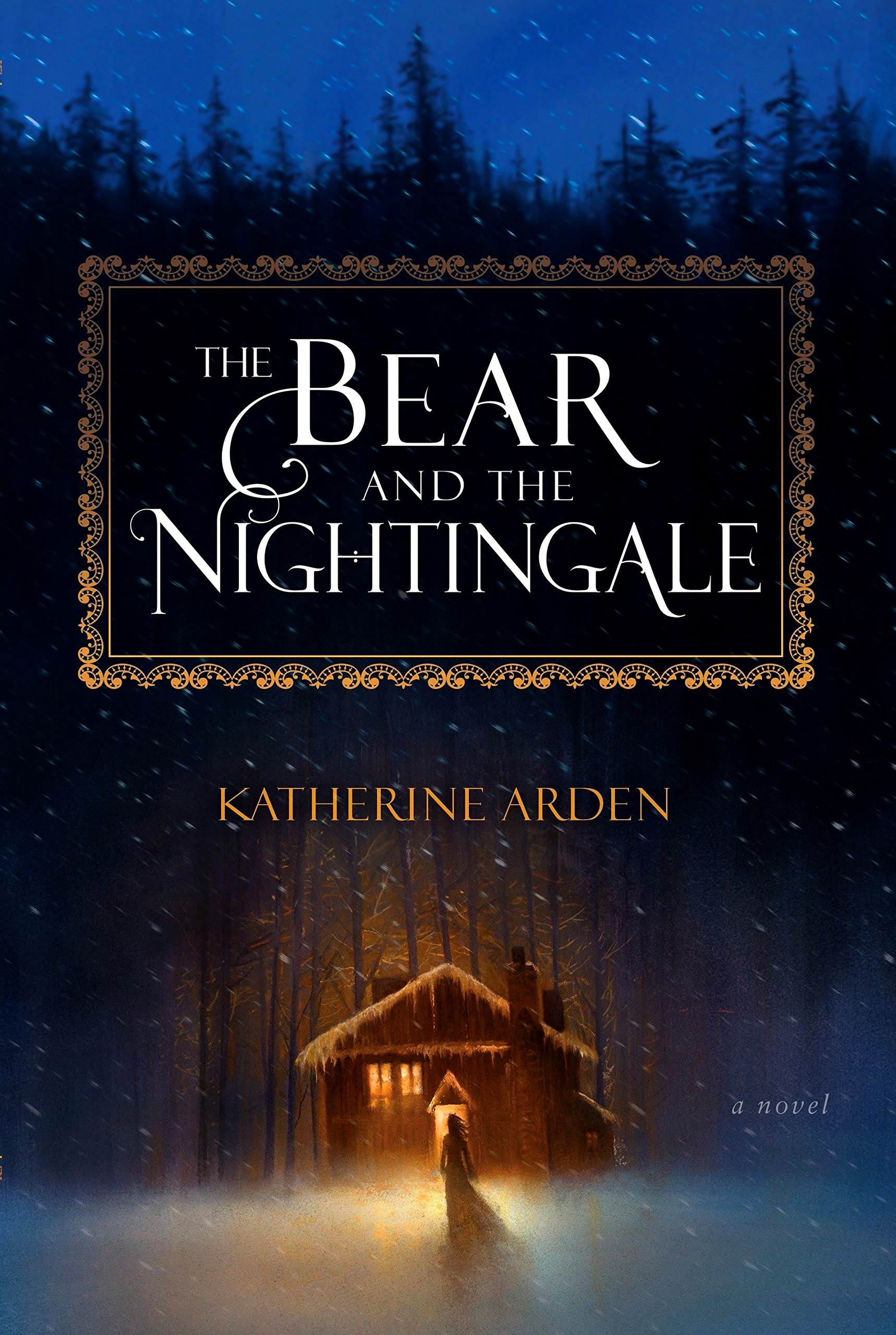 I stumbled upon this book on the shelf at the local library. The cover screamed “ATMOSPHERIC,” so it pulled me in. It is a blend of Russian folklore and medieval fantasy. It follows young Vasilisa (“Vasya”), the daughter of the local village leader. Vasya is an odd girl, wild and free and most at home in the forest or with the horses. She sees ancient creatures that no one else can see, the creatures of folklore that care for the home, the forests, the lakes, and the wildlife.

 Ok, so you know how in my last review I said that Foley wasn’t formulaic? I’m about to contradict myself here, because there are some pretty striking similarities between The Guest List and The Hunting Party, one of her earlier novels. Both books have a group of people traveling to an isolated island getaway, one off the coast of Ireland and one Scotland. Someone gets murdered. We don’t know who it is and we don’t know who did it. The guests are there on these secluded islands for different events, but they still wind up in pretty similar predicaments, and old festering resentments eventually rear their ugly heads. With that being said, I do feel Foley did a good enough job of distinguishing the two works through her character development. Additionally, this particular Agatha Christie-esque style is pretty common in the genre because it works.
 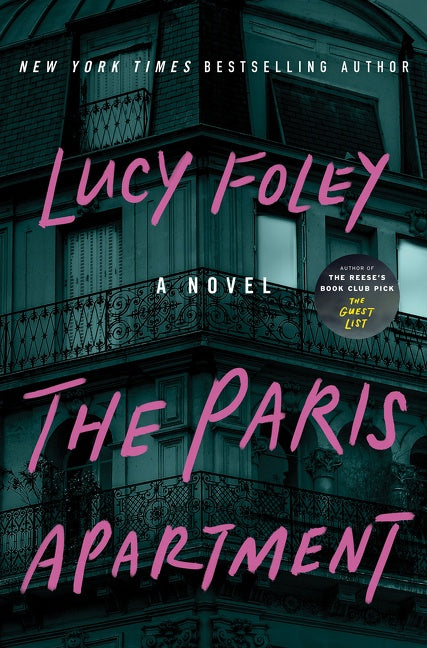 I recently embarked on an impromptu Lucy Foley mini-marathon, consuming three of her books in a row over the course of a couple of weeks. I guess I was just in the mood for something engaging and exciting but not super complex. This will be the first three of the reviews, and it is the first one I completed. I won’t spend a whole lot of time on these reviews while I’m attempting to catch up, so don’t expect any of the reviews to be extremely detailed.
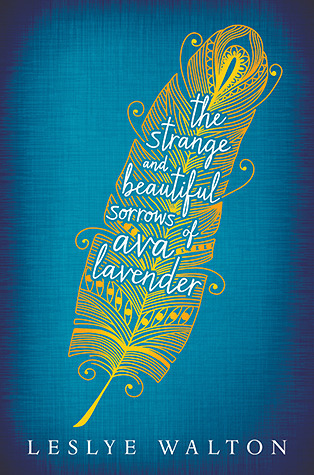 I can’t believe it took me so long to read this book. It’s going on a decade old now! Let me tell you, this book has the perfect title. The entire book is strange and beautiful in the best way. First I want to start by saying that I find books like this kind of difficult to review. My thoughts aren’t nearly so clear-cut. They are a jumble, and it goes way beyond character/plot/writing. That is to the book’s credit, but it’s much more difficult for me to put into words because it’s all about how cohesive this work truly is. How do you describe all the various layers that make things fall into place so perfectly?
 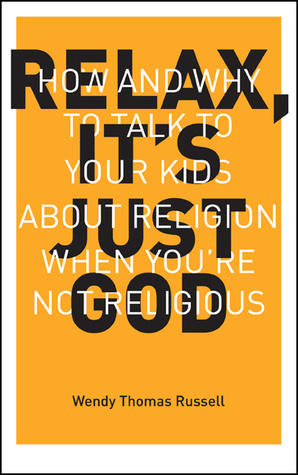 For a lot of parents, myself included, this is a very tricky subject. I admit, I’ve struggled with the notion of God and religion since having children. I live in a deeply red state. Christianity is used as a weapon to speak out against tolerance, it’s used in support of bigotry and oppression, and it’s used as a way to stop our children from learning vital information they need to become critical thinkers. Adults think the terrorists who stormed the capitol are heroes, women should shut up and take a seat, and books should be burned in the church parking lot. Most people believe children should be taught the world is 6,000 years old and Noah had a big-ass farm on a boat (Seriously, where did they find the bamboo to feed the pandas?) If anything, I believe these mixed messages are damaging to our children. So how do you approach religion with your kids when you don’t buy into the dogma?
 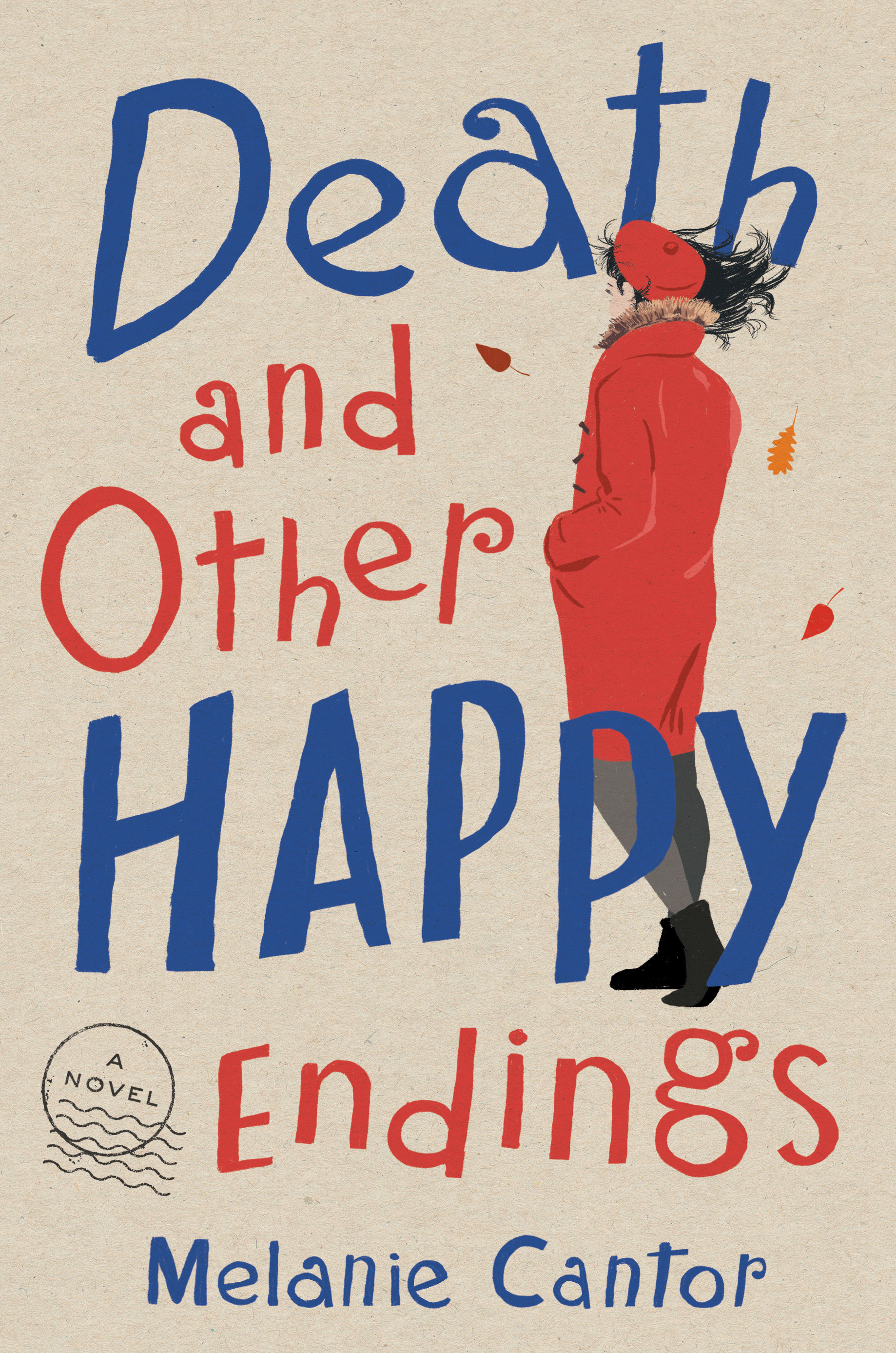 Forgive me. This will probably be one of my reviews where I get a little snarky. I hate that I do that, but at least I’m self aware. First of all, I love the title. That’s actually why I picked this book up on a whim. The cover is very simple but intriguing. Disappointingly so, I found out the title was later changed to the much more Hallmark-esque title of Life and Other Happy Endings. (WHYYYYYY????) Switching Death to Life takes out all the intrigue.
  I have counted up the number of books I’ve read but not reviewed, and I’m too embarrassed to tell you what that number is. Rest assured, it’s bad. Obviously, I’ve been reading a lot but not much more. Sure, reading a lot is a very positive step, and I’ve read some great works by some fabulous authors. This is one example. I’m a sucker for historical fiction, but I have to admit that sometimes certain subjects get a little old and I get a hankering to take a break and find a subject or time period that I really don’t know much about. Christina Baker Kline excels at this. She strikes me as an avid researcher who loves to delve into the little-known gems of world history and then shares the knowledge she’s gleaned with her audience in a way that’s both educational and compelling.