
 I initially found this book so intriguing because of the cover. Look at it, it’s utterly gorgeous and definitely exudes magic. However, I also initially had the fear that it might verge into the world of schmaltz, and I don’t really enjoy that, which is why I generally read outside of the romance genre. Having never read any other Moorman books, I had no idea what to expect. Overall, I wound up being pleasantly surprised despite having some issues.
Synopsis
Having only ever experienced a nomadic lifestyle as she accompanied her mother from life to life across the U.S. landscape, Mattie Russell isn’t sure how to cope when her mother unexpectedly passes. She finds herself back in Ivy Ridge at their family’s old Victorian home, now occupied by her Aunt Penelope. Despite having no intention to stay, Mattie finds herself sticking around Ivy Ridge in order to fulfill her mother’s last requests, a list of seemingly nonsensical tasks she must complete before she can collect the surprise inheritance her mother left for her. Also complicating things? The boy next door, the one who got away, has also returned, and Mattie still finds him as compelling as she did before.
Review
First, I’ll get the bad out of the way. I can’t get over the fact that if the Hallmark channel did a live action version of Encanto, it would basically be this. We have a matriarchal family living in a magical house, and each of them have their own unique special abilities. The house is a character in and of itself, and it’s sweet and cheeky and a tad bit meddlesome. What we get is a coming of age story in which Mattie realizes the full potential of her abilities and just what a vital role she plays in the Russell family. Do you see what I mean? Then there’s the fact that Mattie has this strange ability to control the radio with her thoughts and emotions, ensuring the perfect song plays at the perfect time. OMG… she’s a transformer.
Ok, that’s maybe a little bit of a stretch, but do you see what I mean? I just felt like so many details in this book seemed borrowed from elsewhere. I know in this world in which there’s such a plethora of digestible content, it’s difficult to come up with something truly original, but this one had so many overused themes. Girl meets boy. Girl kisses boy. Girl never sees boy again until they both return to the same small, sleepy, charming town they both vowed they’d never return, and we can basically guess the rest without actually reading it.
Having said that, there were some really charming elements to the book that kept things fresh and interesting. I did like the concept of Mattie having to complete the tasks. These helped us learn a lot more about her mother, a character we never truly meet. We only hear about her through others. If anything, I feel like this aspect sort of got swallowed by all the other stuff and was treated mainly as an afterthought. I think it would have been more effective had this mystery been more at the forefront and the romance taken a backseat. I don’t know that Jonathan’s perspective needed to be featured at all. He could have still been a supporting character while not detracting from the heart of the story, which is ultimately about the relationships between the women in this family. Or it should be, anyway, in my opinion.
Aside from those quibbles about plot and story structure, the book really is quite lovely. It’s well-written and never drags. There’s a tiny bit of mystery, but it’s ultimately a character study. I would recommend it to someone looking for something light and cozy and not overly complex. And that cover!
Published January 1, 2024 by Harper Muse. ISBN 9781400240524. Audiobook. Runtime 11 hrs 40 mins. Narrated by Kathleen McInerney.
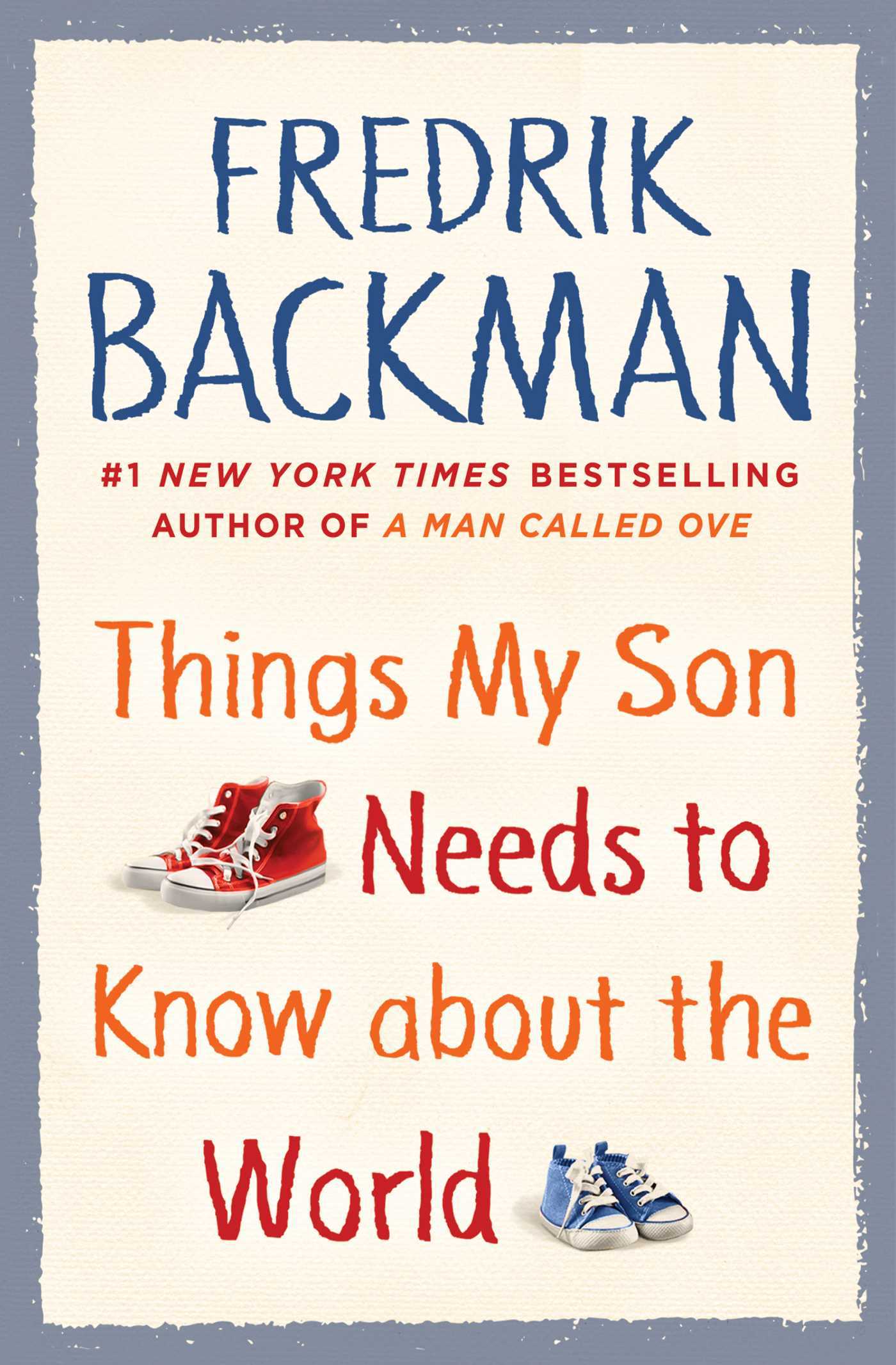 I recall telling someone once that if Fredrik Backman wrote a book about poop I would still read it. Well… I did! Sort of. I mean, one chapter was about poop. There was some stuff about IKEA, some stuff about the heartwarming world of the WWE, some super serious football talk, and a few other things, but there was definitely poop. And I loved every second of it.
 Julia Alvarez is widely considered an icon in the realm of literature, and when you get the pleasure of reading her prose, you completely understand why. Her words are effortless and timeless. Having just passed the age of 74, it’s no surprise that she would become reflective on the stories that she never told, the manuscripts that remain boxed and bundled, only having been digested by the hand that penned them. It’s a beautiful and wonderful question. What becomes of these stories?
  Postcards From the Edge is Carrie Fisher’s novel , published in 1987, that marks the first book in the Suzanne Vale series. She would later publish the sequel in 2004 that continued the saga of Vale’s struggles with addiction and mental health. Billed as semi biographical, I would argue it’s more biography than not. I feel like Fisher created Vale, a well-known actress whose struggles with addiction and spiraling mental health have had an impact on her career, as a way to safely explore her own struggles behind the protective barrier of poetic license. In truth, the whole book reads like a series of essays exploring the psyche of someone navigating the two worlds of fame and recovery. We see a bit of her experiences while in rehab and then her subsequent return to the “real world,” especially as she tries to match up the Suzanne she is now with the one everyone expects to see.
 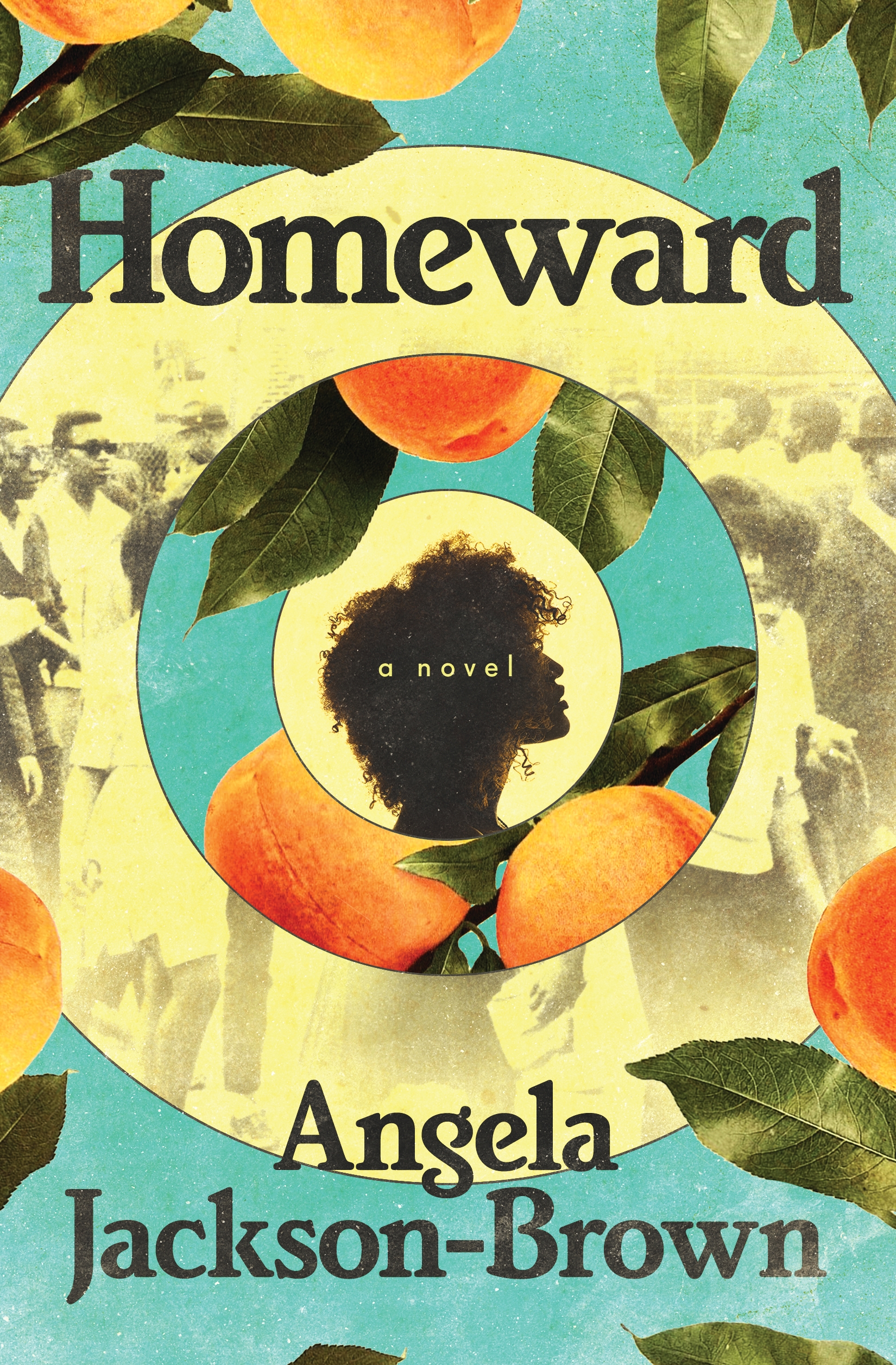 I chose this book as my reading challenge pick for an Own Voices story. Jackson-Brown is a prolific writer in addition to teaching creative writing at not one, but two, universities. She’s a poet, playwright, and novelist with several highly-rated titles of historical fiction surrounding the American black experience during the Civil Rights era.
 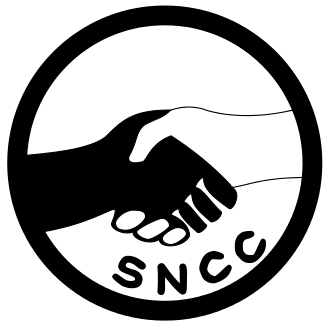 First, let’s talk about the Student Nonviolent Coordinating Committee, or SNCC (their logo pictured here). Jackson-Brown sets this novel before a very real backdrop. SNCC was an organization made up of young, idealistic students founded in the 1960’s. It was inspired at first by the famed sit-ins at segregated lunch counters across the South. It was positively instrumental in gathering support and affecting change during the 1960’s. There’s a possibility you haven’t heard of SNCC before, but I’m sure you’ve heard of Congressman and Civil Rights icon, John Lewis, one of the original organizers of SNCC. He and Hosea Williams famously led a march across the Edmund Pettus Bridge in Selma, Alabama, on what would later be deemed “Bloody Sunday,” on March 7, 1965. Unlike many other attacks by white authorities on peaceful protestors, this march was widely reported, and videos and images of the atrocity helped to finally turn the eyes of all Americans to the injustices. Public opinion finally turned to the right side of history. On August 6, 1965, President Johnson would sign the Voting Rights Act into law. Why am I telling you all this? SNCC was a big freaking deal.
 Happily married newlyweds Kate and Tommy Puglisi are thrilled to arrive at the doorstep of their very old but new-to-them house in Becchina, one of many little towns across the Italian landscape on the brink of becoming ghost towns. In an effort to attract young enterprising people like them, the town’s mayor has opened up abandoned homes to newcomers for the too good to be true price of a single euro and the promise to revitalize the home. Upon arriving, the couple expects to be welcomed with open arms by Tommy’s grandparents, long-time residents of the town. Unfortunately, they find that Tommy’s grandmother is angry and fearful of their new home. At first perplexed, the couple soon finds out why the townsfolk all whisper behind closed doors about the house of last resort, a house that contains a very dark history that isn’t quite as buried as it previously seemed.
 You may be wondering if I read this book right as the film is coming out for a reason, but I am unfortunately not that well put together. I honestly had no idea there was a movie. I stumbled across the audiobook on Hoopla and thought it looked promising, and the rest is history. In hindsight, I’m sure they were featuring the audiobook in anticipation of the film, so their ploy worked on this out-of-the-loop reader.
  Honestly, my productivity lately has been just pure trash. This time, however, I think I got myself hung up on this particular book review. I’d start it, delete, and then close my page. I couldn’t quite figure out how to put into words what I wanted to say. Truthfully, this book’s brilliance is something a reader has to experience for themselves in order to understand it. It’s a character study of one of the most perfectly imperfect people, and the perfection is in the finest little details.
 I was first introduced to Joanna Brady, a Key West-based author of historical fiction, several years ago when my book club won copies of her first novel,
 A Librarian and Her Books