Top Ten Tuesday is a meme hosted by The Artsy Reader Girl. In it, each week there’s a new topic in which each blogger picks books that fit into that category for them. This week, I positively love the topic. Which books would I choose to have with me if I were stranded on a desert island? These are books I could re-read a million times and never tire of them. I might have some tough choices here to find just 10, but let’s get started.
Frankenstein by Mary Shelley
Long held to be one of my all-time favorite classics, I love this book for its incredible story and for its important place in the literary canon as the first science fiction book. Mary Shelley is one of the most fascinating and awe inspiring authors, and I could read this book multiple times and never tire of it. The only thing I don’t like about this book is how much the Frankenstein concept is butchered in pop culture. What a travesty!
I Know This Much is True by Wally Lamb
This may seem like an odd choice, because it’s a heavy book. But it’s a beautiful, human story that I could read so many times and glean something new each time. Whenever someone asks me to name a favorite book, this title springs to my lips more often than others. It’s positively incredible.
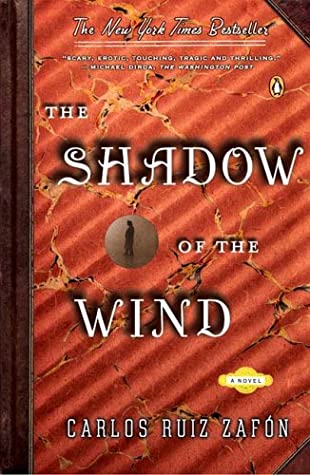
Shadow of the Wind by Carlos Ruiz Zafon
This book is simply rich in so many of the things I love. It’s dark but incredibly lyrical and moving with a beautiful cast of characters. There’s murder and intrigue and, most importantly, a mystery involving old books. It’s a treat to read and I could never tire of it.
The Poisonwood Bible by Barbara Kingsolver
I have to have a Kingsolver book, and this one is her masterpiece. It’s an incredible piece of fiction. Thought it’s dark and more than a bit depressing, it’s one of the most amazing pieces of literature I’ve ever read and has long been considered a favorite. I would need to return to this book.
The Picture of Dorian Gray by Oscar Wilde
Another classic that I wouldn’t want to be without. This is one of the quintessential books in the literary canon that everyone should read at one point or another. It’s dark and brooding but in possession of an incredible amount of lyricism. There’s so much truth behind Wilde’s words, and he’s a genius that’s nearly unparalleled.
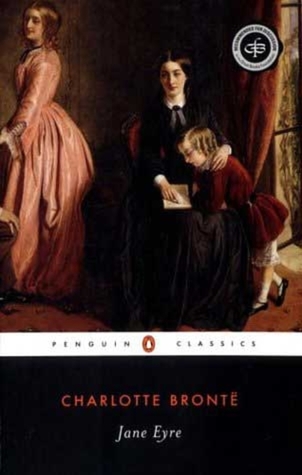
Jane Eyre by Charlotte Bronte
I will always love this book. Jane is my favorite literary heroine, and I never tire of reading this or seeing the various movie adaptations of it. I positively adore this book!
Big Little Lies by Liane Moriarty
I have to have at least one Liane Moriarty book. She’s witty, snarky, but also a genius at crafting an amazing mystery. This book is my favorite of hers, but honestly I could have any one of them and be happy about it. This would be for those days I want something lighter but still incredibly compelling.
Project Hail Mary by Andy Weir
I need the fun books. Andy Weir has an incredible wit, and he’s amazing at writing believable and fun dialogue. This book was one of my favorites I read all year and I think I could read it a million times and not tire of the humor. Either this or The Martian I would be very satisfied with on a desert island.
The Thirteenth Tale by Diane Setterfield
This book really wowed me when I first read it in 2009. It quickly became one of my favorites. A modern gothic tale about an old house, a family mystery, and the ghosts of the past. It’s beautiful, lyrical and strange in all the best ways. I would love to revisit this book over and over.
And finally…
The Sparrow by Mary Doria Russell
One of the most wonderful, detailed and thoroughly researched speculative fiction reads I’ve ever read. Russell has an incredible intellect, and she draws from her expertise in cultural anthropology to create an amazing story about our future contact with alien life. It’s a must read for science fiction fans, but it’s one I rarely see mentioned by sci-fi lovers, which is a shame.
Instead of counting objects and days and hours, if people would simply rub their palms together just once, and comprehend that mysterious skin to skin contact fully, their understanding of the world would be better. Or if just once they were to watch and understand the blooming of a flower or birth of a lamb, using their senses of sight and hearing and smell completely, perhaps humans would come to the conclusion that in all the days and nights of their lives, only that minute in which they are immersed is worth calculating.
-Shokoofeh Azar
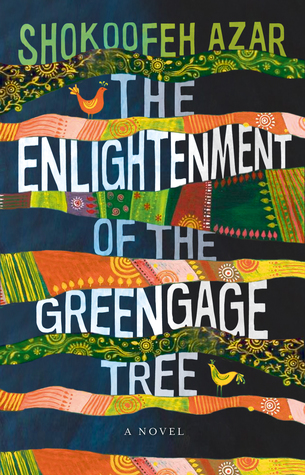
The Enlightenment of the Greengage Treeis a book that deserves more than just a short blog review, as there’s so much to break down. I could probably write for hours, go off on tangents, come up with theories, etc. I won’t do that, but suffice it to say this is a book that relies very heavily on reader interpretation. What I got from this book might not match what another reader would glean, and therein lies some of the genius. Now, this is by no means a particularly new method of story-telling. It’s a heavy dose of magical realism that relies principally on Persian folklore to tell the story of a fractured family whose ability to survive is tested by the cruelty of a despotic regime.
The narrator of The Enlightenment of the Greengage Tree is the first fallen victim of the family, the 13-year-old daughter named Bahar who was killed during the Islamic Revolution of 1979 when the family home in Tehran was attacked by fighters. Following Bahar’s death, the family flees to Razan to begin anew, only to be followed shortly thereafter by the death and destruction from which they fled. Bahar exists as an omniscient figure, a ghost who is able to still interact with her family. She is immune to the physical pain and destruction inflicted upon the remaining members but still feels fully the mental and emotional anguish of witnessing their subsequent breakdown. She is as powerless as we, the reader, to halt the desperate march of time that threatens to destroy their legacy. The “enlightenment” referenced in the title is a bit tongue-in-cheek, as the enlightenment as experienced by Bahar’s mother, Roza, as she climbs to the top of the greengage tree is really nothing short of a mental breakdown brought upon by despair so deep it transports her to a new realm of unfeeling distraction. It’s a “positively Vonnegut-esque” (to quote Bridget Jones) post traumatic stress escape to Tralfamadore in a desperate attempt to forget that the world is imploding around her.
The novel is beautifully and lyrically told, blending Iranian folklore and elements of magical realism. It’s quite rich with symbolism and metaphor, bursting with it, in fact. Placing fantastical elements of mythical creatures, ghosts, and mysticism against a backdrop of persecution and the stifling of creative thought provides an interesting form of escapism in the face of the unthinkable. While they were once a family who valued knowledge and literature above all else, as they are robbed of the ability to enjoy such things we see them descend into a fantasy world that still connects them to those things they hold dear. Literature is an incredibly important theme in this novel. As a matter of fact, I became a little bit weary of the long lists of literary works that were peppered throughout the text, though I do understand their importance. It’s illustrative of what is lost in a Country like Iran during such times when the people lose their freedom to learn without restriction or fear of prosecution if caught. Many of us take for granted that we can simply go to a library or a bookstore and choose from thousands of titles regardless of their content. We celebrate banned books, and we revel in the content that raises the hackles of the would-be censors. I can talk about this book and post my thoughts for the world to see, but the translator of this novel had to remain anonymous for his or her own safety. The author had to immigrate to another country, Australia in this case, before she could even publish such words under her own name. That’s the real world many of us will never experience. That’s the power behind a book such as this, a reality that permeates even the area outside of the pages. It’s a true human story of catharsis in the face of evil.
Narratively speaking this book is told in a very disjointed fashion. It jumps around in time and can sometimes be difficult to follow. Little unrelated stories are brought in to fully illustrate the presented themes which have a tendency to pull the reader out of the main storyline only to thrust them back again a few pages later. This isn’t a linear plot. It’s a “big picture” plot where you have to place all the pieces together into a final, complete work. Unless you’re ready to do some serious thinking, you might want to skip this one. It’s short but far from simplistic.
Considering some issues I had with the narrative style, I would give this one a 4/5. It deserves a lot of credit for its flashes of brilliance and the overall tone which celebrates the power of literature in a world that doesn’t value knowledge.
⭐⭐⭐⭐
Rating: 4 out of 5.
Published August 17, 2017 by Wild Dingo Press. ISBN 098738130X. 268 pages.
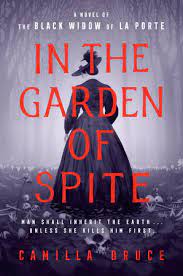
In the late 1800’s and early 1900’s, a woman by the name of Belle Gunness, a Norwegian immigrant born Brynhild Paulsdatter Storset, quietly terrorized Chicago and La Porte, Indiana. It is now thought Gunness may have been responsible for the deaths of up to 40 people. Having never been caught, much of the facts of Belle’s story are the result of speculation. In the Garden of Spiteis Bruce’s version of what the black widow’s story may have been, including her origin story of trauma so terrible it pushed her to the point of unthinkable evil.
Synopsis
The novel begins in Norway with Little Brynhild, the daughter born to a poor working class family, an abused mother and a cruel father. As a teen, we watch in horror as her dealings with men become more horrifying than you can imagine. Her experiences do two things. They give her the desire to escape the hell she experiences in Norway, and they give her a thirst for vengeance. From there, the novel follows her to Chicago to move in with her sister, Big Brynhild, now known as Nellie. The novel progresses in alternating chapters from the perspectives of both sisters and goes through Belle’s life as we experience her slow transformation into the twisted serial killer, the “Black Widow of La Porte.” I will actually refer to her as Belle in this review, though the novel refers to her as Bella. According to the book, Bella was her chosen name and it annoyed her that people referred to her as Belle.
Review
Full disclosure, this book is disturbing as hell. It’s gory and gruesome in pretty graphic detail. I mean, Belle Gunness was a serial killer who literally butchered her victims into pieces with a cleaver in order to more easily bury them on the farm, so what else would you expect? This book is an incredibly dark mix of psychological horror and historical fiction.
From my own independent research into Gunness, I would say Bruce has done a pretty fabulous job of piecing together a possible historical timeline. She mostly sticks to facts as they are known for the story but she does add her own embellishments here and there. I won’t say what it is, but there is one fact to the conclusion of Belle’s story I always found so horrifying as to have difficulty believing it’s true, and Bruce explains this in a way I found believable but also retains what small shred of humanity Belle had left in my mind.
In general, this book is extremely psychological in nature. First of all, we get the origin story for her. She experiences trauma at the hands of a cruel man. Bruce does humanize Belle, especially in the beginning. I truly did feel for her during her most anguished hours. Her desperate loneliness and grief were very raw and gripping. This allowed me to fully see how someone could wind up down such an awful path in life. However, without already being predisposed to mental illness, I don’t think Belle would have been capable of such atrocities. If every woman abused by a man became a serial killer, there wouldn’t be any men left in the world.
Bruce paints a portrait of her suffering from mental illness that goes all the way back to childhood. At the risk of giving a purely armchair amateur diagnosis, I feel she’s presented as both a malignant narcissist and a sociopath, if not a full on psychopath. She’s completely devoid of empathy, not even for her adopted children she professes to love. Belle is presented as someone incapable of loving anyone the way she loves herself. However, she is able to fake it in an expert fashion. She’s the ultimate charlatan, duping literally everyone she comes into contact with save for one person who recognizes her for what she is.
The novel is well written with compelling characters. In Belle’s case, she is absolutely infuriating. It’s rare to find a book where the protagonist is so much more of an antagonist. She’s the ultimate villain, and we have to be in her head for half of the book. That’s at once a fascinating and frustrating experience. More frustrating than Belle’s perspective, however, is Nellie’s. Nellie is so naive and blinded by love for her sister she seems incapable of recognizing what’s before her very eyes. I will say that Bruce has admitted Nellie’s portion of the story to be mostly fabrication. In reality, Nellie had little to no contact with Gunness following her exit from Chicago and relocation to Indiana. The book shows the two remaining in close contact in order to increase suspense. We see Nellie as someone who could stop Belle if she would just pull her head out of the sand long enough to thwart continued tragedy.
There is one character I’m on the fence about. Belle meets an enigmatic man much like herself, James Lee. It’s through Lee that we see the encouragement of the growth of her more sadistic side. Lee has a similar thirst for blood and he helps Belle cultivate her own. Bruce admits in the afterward that Lee is completely fabricated. There’s no evidence in the historical record that anyone aided Belle in her bloody schemes early on in her killing. On the one hand, I see this type of character as a great plot device that helps the reader understand Belle’s transformation. On the other hand, I feel like adding a man to Belle’s story to “teach” her how to be a better killer takes away some of the power from the real historical figure. I’m not sure it makes much sense to have Belle Gunness, a butcher of men, be in possession of a male mentor. Often times, it was Lee who had the more intelligently crafted schemes and Belle was presented as so careless and blood-thirsty that he had to admonish her to be more careful. I’m not sure this is fair to the original Belle Gunness who was in possession of a crafty scheming nature and was able to get away with it for so long. Additionally, it shows Belle as being inspired in her insurance schemes by the infamous Chicago serial killer, H.H. Holmes. While it’s likely this might have been true, it’s once again presenting ideas coming from a man rather than Belle’s own ingenuity. To her credit, however, Belle got away with it and Holmes did not. Some people may believe Belle died in 1908, but I’m about 99.9% sure that she disappeared to a new life. That being said, if Gunness had tried any of the things she got away with in today’s modern times, she would have been caught faster than you can say miranda rights.
Truly, this is such a compelling book. It’s sure to fascinate both history buffs and horror fans alike. While it’s not for the faint of heart, it’s definitely a page turner. Overall, I give this one 4 stars for sheer readability, depth of research, and it’s in-depth psychological info on a real historical figure.
Welcome to a new week of WWW Wednesday, a meme hosted by Sam at Taking on a World of Words. In it, we answer three questions and leave a link in the comments sharing our own posts for other bloggers to view.
The Three Ws are:
What are you currently reading?
What did you just finish reading?
What will you read next?
What am I currently reading?
Life really happened this week and I wound up stuck at home for a few days. Now, many of you may be thinking, “Hey, that’s great! You should have gotten a lot of reading done.” Well, I was stuck home with my kids, so no… I didn’t. I tried, but I never understood anything I read because I kept getting interrupted with “Mommy… mommy… mommy…” Not conducive to adequate reading comprehension. So, I’m still working on Antkind on audio and Enlightenment of the Greengage Tree in paperback.
What have you just finished reading?
I was able to get a hold of another copy of In the Garden of Spite, and I was able to finish it in less than an hour. I haven’t yet gotten the chance to write my review considering how crazy the week was, so I hope to get to that in the next day or two. This was an incredibly interesting book, and I’ll have a lot to say about it, especially about the author’s unique perspective on a real and infamous historical figure.
What will I read next?
I have so much out from the library at the moment and I really need to get moving on it all. Next I’m going to pick up Radiant: The Dancer, the Scientist, and a Friendship Forged in Light by Liz Heinecke. This book is historical nonfiction and follows a unique friendship between Marie Curie and dancer and choreographer with an interest in science, Loie Fuller. I stumbled across it on the shelf and thought it looked like a fascinating piece of women’s history to which I’m not that well-versed. I hope to finish my other read and start this one tomorrow.
On audio, I really don’t even want to pick anything because AntKind is still probably going to take at least another week. So, that’s it for a short update today! Look for my review of Camilla Bruce’s historical fiction thriller, In the Garden ofSpite. Happy Reading!
This week on TBR Thursday, I’m starting with a much higher number as I did a big giveaway entrance spree and wound up with a lot of new potential reads. I’m now at 500, up from 488 at the end of last Thursday’s cleanup. So I’ll set my generator to 500 and we’re off!
Synopsis from goodreads: “Meet Chloe Sevre. She’s a freshman honor student, a leggings-wearing hot girl next door, who also happens to be a psychopath. Her hobbies include yogalates, frat parties, and plotting to kill Will Bachman, a childhood friend who grievously wronged her.
Chloe is one of seven students at her DC-based college who are part of an unusual clinical study for psychopaths—students like herself who lack empathy and can’t comprehend emotions like fear or guilt. The study, led by a renowned psychologist, requires them to wear smart watches that track their moods and movements.
When one of the students in the study is found murdered in the psychology building, a dangerous game of cat and mouse begins, and Chloe goes from hunter to prey. As she races to identify the killer and put her own plan into action, she’ll be forced to decide if she can trust any of her fellow psychopaths—and everybody knows you should never trust a psychopath.”
Verdict: I added this one during a recent giveaway spree. Reading back over the synopsis, I just really am not feeling it. I’m removing it.
Synopsis from goodreads: “A novel that chronicles the lives of two women who could not be more different: Becky Sharp, an orphan whose only resources are her vast ambitions, her native wit, and her loose morals; and her schoolmate Amelia Sedley, a typically naive Victorian heroine, the pampered daughter of a wealthy family.”
Verdict: This is a classic that’s been on my list for a long time, and I don’t plan on removing any classics as a rule because I want to eventually read them all if I can. So I’ll keep.
Synopsis from goodreads: “Blaze a trail with two wayward kids as they explore a private forest whose supernatural potentials illuminate the triumphs and follies of desperate imagination.”
Verdict: Wow, does this book have a terrible average rating. Of the reviews I read, two of them were comprised of “What the flying fuck was this book?!!!” and “This is the worst book I’ve ever read.” Not a hard call on this one.
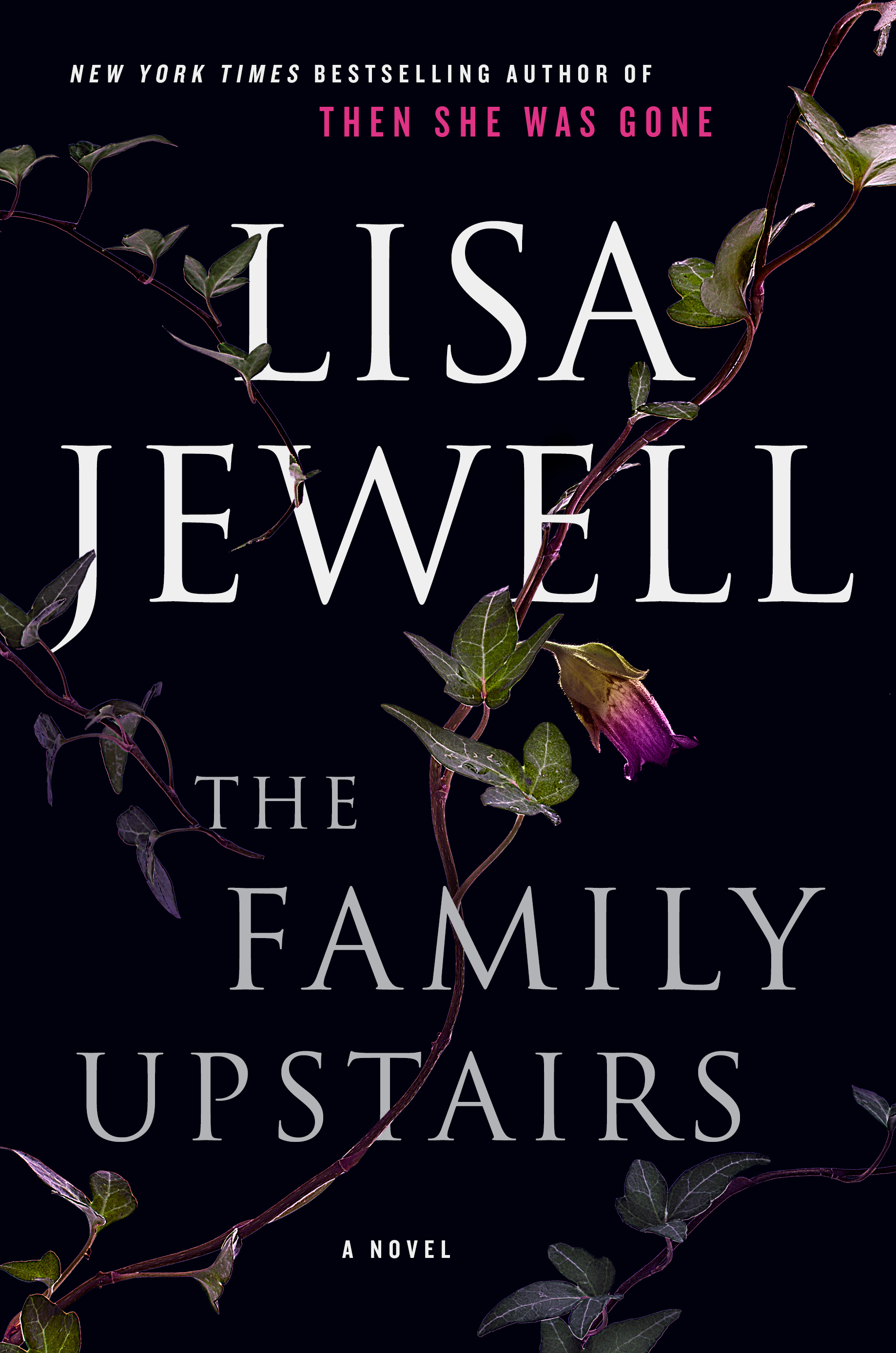
Synopsis from goodreads: “Soon after her twenty-fifth birthday, Libby Jones returns home from work to find the letter she’s been waiting for her entire life. She rips it open with one driving thought: I am finally going to know who I am.
She soon learns not only the identity of her birth parents, but also that she is the sole inheritor of their abandoned mansion on the banks of the Thames in London’s fashionable Chelsea neighborhood, worth millions. Everything in Libby’s life is about to change. But what she can’t possibly know is that others have been waiting for this day as well—and she is on a collision course to meet them.
Twenty-five years ago, police were called to 16 Cheyne Walk with reports of a baby crying. When they arrived, they found a healthy ten-month-old happily cooing in her crib in the bedroom. Downstairs in the kitchen lay three dead bodies, all dressed in black, next to a hastily scrawled note. And the four other children reported to live at Cheyne Walk were gone.
The can’t-look-away story of three entangled families living in a house with the darkest of secrets.”
Verdict: I’ve rarely met a Lisa Jewell book that wasn’t worth the read, so I’m going to keep this one.
Synopsis from goodreads: “Meet Pat. Pat has a theory: his life is a movie produced by God. And his God-given mission is to become physically fit and emotionally literate, whereupon God will ensure a happy ending for him—the return of his estranged wife, Nikki. (It might not come as a surprise to learn that Pat has spent time in a mental health facility.) The problem is, Pat’s now home, and everything feels off. No one will talk to him about Nikki; his beloved Philadelphia Eagles keep losing; he’s being pursued by the deeply odd Tiffany; his new therapist seems to recommend adultery as a form of therapy. Plus, he’s being hunted by Kenny G!”
Verdict: I sort of thought I’d already read this, but maybe not. I really enjoyed the movie and I definitely need to pick up the book at some point. I’ll keep.
KEEP
That is it for this week, and after removing two of them I’m at 498. See you again soon!
This year for the reading challenge, I was challenged to pick up an old favorite book from childhood. When I think about authors whose books I enjoyed as a kid, several names come to mind. Among them: Beverly Cleary (I almost chose The Mouse and the Motorcycle), Lois Lowry, and, of course, Judy Blume. I recently picked up a Judy Blume box set for my daughter at a library book sale, and I hope she’ll one day like them as much as I did. Nobody spoke to the childhood fears and anxieties like Judy Blume. Tales of a Fourth Grade Nothing was one of my favorites, and I’m not really sure why. First of all, I was the younger kid, unlike Peter. And second of all, as a girl I didn’t have exactly the same experience as a 9-year-old boy. Honestly, I was probably a lot more like smarty-pants Sheila. I’m sure someone thought I was annoying and pretentious, though I didn’t run around talking about cooties all the time. Not that I remember, anyway.
Synopsis
Peter Hatcher lives in a little apartment with his mother and father and his little brother, Farley Drexel Hatcher, who everyone calls Fudge. Fudge is 2 1/2 years old at the beginning of the book, but he celebrates his third birthday to hilarious results during the course of the story. Fudge is a pain in the butt, and Peter hates how everyone always thinks he’s so special just because he’s little and cute. Peter wants to be special, too, but he’s always in cute little Fudgie’s shadow. The book is full of Peter’s various tales about how Fudge’s antics threaten to ruin his life.
Review
It was wonderful to revisit this book, and it’s especially interesting reading this now that I’m a parent as opposed to the child around the same age as Peter like I was upon my first reading. The family dynamics are definitely different from my more modern family. This book was published in 1972 and, though family structures were definitely already changing as more women entered the workforce, it was still so much more common for women in the home to do almost all of the parenting and housework by themselves while the husband worked. I definitely sympathized a lot with Peter and Fudge’s mom who seemed so entirely overwhelmed. That’s something I never would have picked up on in the early 90’s when I read this. I was also completely shocked to see that parents in this book actually dropped their 2-4 year old children off for birthday parties and didn’t stay to help the host wrangle them! Was that really a thing??? I would be aghast to have to be in charge of 4 or more children of that age all by myself for two hours! Oh, the humanity!
I was still able to sympathize with Peter, which then allowed me to see what my own daughter goes through. My children are 6 and 3. I can’t tell you how many times Willa has complained that “you love Henry more than me” or “Henry’s the only one who…” I know this is only natural, as younger children do tend to monopolize a parent’s time because they are so much less independent and prone to doing much dumber things. The older children in the home do still need assurances that they are special and important. Fudge obviously adores Peter and wants to please him, but in his position as the neglected older child he often doesn’t understand his important place as the super cool older brother. Fudge is annoying, but his relentless quest to do everything “like Peet-uhh” is the only way at such a young age he knows to show his love. I absolutely see this in my own home. Willa both loves and loathes her little brother, and he looks at her with complete and utter adoration despite the fact that he regularly tells her she’s “so toopid.”
Willa and Henry, big sis and little bro
Long story short, there’s so much truth in this book and so much relatable content for anyone of any age who has spent time in a multi-child home. This book is the quintessential therapeutic text for the much-maligned and oft misunderstood older sibling. Kids are emotional beings who are still developing their skills at communicating these emotions. It really helps to know that there is someone out there who understands, and Judy Blume is definitely that person. This book is funny, heartfelt, and timeless. But oh, poor Dribble!!!
⭐⭐⭐⭐⭐
Rating: 4.5 out of 5.
Published 1972 by Yearling books. ISBN 0440484744. 120 pages.
I stumbled upon this book in the overdrive app and thought the cover looked quite appealing and enigmatic. I’m glad I read it, because it was a nice engaging read, and it was very short so it served as an excellent buffer prior to me starting my current arduous journey through Charlie Kaufman’s brain in Antkind. I will warn you, this review verges slightly into the realm of the spoiler, though I do refrain from giving away anything in regard to the conclusion. But if you’re one of those readers who detests for anyone to give ANYTHING away about where the plot leads at any point, proceed with caution.
Synopsis
Daniel is a pretty normal guy living in the college town of Athens, Georgia. He has a quirky best friend, Travis, and they dress up and enjoy tailgating at the various close to religious experiences that are Georgia Bulldog football games. He has a steady job being told off by angry fliers at a small regional airline on Twitter. Oddly, he even enjoys this to be rather enjoyable. Oh, and he has a debilitating neurological condition that has progressively gotten worse since infancy and has left him without the ability to speak or move. He mostly stays in his home in his wheelchair, visited occasionally by the afore-mentioned best friend and a kindly caretaker named Marjani. Though thanks to that awesome wheelchair, he can pretty much go anywhere he wants and lives a life of independence despite his obstacles. He’s ok, really. If you think otherwise, that’s your problem.
Daniel’s life is turned upside down one fateful day when he witnesses the kidnapping of a college student on the street in front of his house. After posting to a reddit thread about what he saw, he receives a communication from the kidnapper. Is it really from him or is it from some lonely man with too much time on his hands and a thirst for attention? Daniel’s journey to discovering the truth could lead him to a danger he never anticipated, and it will change his life forever.
Review
What a fascinating and interesting concept. This book presents a very refreshing and enlightening look at a severe disability such as SMA (Spinal muscular atrophy). Daniel is an inspiring narrative voice, and he really gave me a lot to think about. As a moderately independent young man with SMA, he recognizes he is a bit of an anomaly, but he wouldn’t have it any other way. Despite it all, he still considers himself to live a good and blessed life, and he realizes he still has a lot to offer the world. You may be thinking this plot sounds an awful lot like Rear Window. In a way, it does have a comparison, but it’s fairly mild in the long run. And Jimmy Stewart is a lot more mobile than our protagonist, Daniel. As far as story structure goes, they are two very different works.
Character was the strongest part of this novel. Daniel, Marjani, and Travis were all fabulously drawn and possessed very distinctive traits that greatly enhanced their likability. The novel is very humorous, including the dialogue, and the characters had fabulous chemistry together. I especially enjoyed the relationship between Marjani and Daniel. While Daniel, in his stream of consciousness style, alludes to the idea that he believes Marjani sees him as just another job and that upon his death she will move to the next nearly dead job, we see as the story unfolds the depth of her love for Daniel. It’s a beautiful and touching testament to the power of the human bond. This novel is very rich in the feels, especially toward the end. This is a coming of age story, of sorts. But it’s a late life one. It’s Daniel’s coming to terms with his important place in the world. It’s his recognition that all of us, no matter our size, strength or abilities, each hold an equal sized square in the woven tapestry of life, and we can all make a difference in our own way.
I do feel there were aspects of this plot that were severely lacking. While I enjoyed the more personal aspects of the book, the mystery left me a bit frustrated. Firstly, it took Daniel forever to figure out what to do. Though he was sure he saw Ai Chin, the victim of the kidnapping, get into a car with a man, he waits for so long before actually doing something about it. He can actually communicate, but he’s not in any way forceful enough in the beginning despite the fact that he can describe both the car and the man. This left me incredibly frustrated. Then what does he do? He makes a reddit post!! I realize this is a plot device that allowed the potential kidnapper to contact him, thereby adding a new layer of mystery, but in real life this seems like such a ridiculously stupid thing to do!
The frustration does not end there. When he does, days later, finally get the police to take notice of his claims, they just brush off his story as not important. As a matter of fact, they don’t really look into it at all. Though they know the identity of the man he suspects is behind it, they don’t even check to see what kind of car he drives to see if it matches the one Daniel saw. Narratively speaking, this is what causes Daniel to be on his own for the purposes of suspense for our story, so I get it. It still left me incredibly frustrated. The result of all of this is that the suspense felt a bit forced and then the plot seemed to drag. It picks up majorly toward the end and then we speed ahead toward a very dramatic conclusion, so that’s a plus.
Overall, this was a very enjoyable read. It was very short, so even though I thought it dragged in places, it didn’t take long to get through the arduous parts and then the story redeemed itself. And the author obviously knows a lot about SMA, and he acknowledges he knows someone with a child who was born with the disease, and this translates well to the text. I would recommend this to someone looking for a light, humorous read that leaves you feeling pretty good about life as a whole.
⭐⭐⭐⭐
Rating: 3.5 out of 5.
Published May 11, 2021 by Harper Audio. ISBN 0063073099. Runtime 7 hrs, 28 mins.
Welcome to a new week of WWW Wednesday, a meme hosted by Sam at Taking on a World of Words. In it, we answer three questions and leave a link in the comments sharing our own posts for other bloggers to view.
The Three Ws are:
What are you currently reading?
What have you just finished reading?
What will you read next?
What am I currently reading?
I find myself still a bit stuck on a couple of books. Still on my hiatus from In the Garden of Spitewaiting on another copy to come available for me. I would just buy it, but I’m honestly not enjoying it enough to warrant doing so, so I’ll continue waiting. I also have started Antkindby Charlie Kaufman. Now, as a filmmaker, I think Kaufman is a brilliant and astounding genius. Eternal Sunshine of the Spotless Mind is one of my favorite films of all time. And the man can write. Antkind is full of some of the most profound and complex passages about philosophy, film, and the human experience. It’s a stream of consciousness style, which doesn’t usually bother me per se. In this case, however, due to the mental state of the narrator this novel becomes the most frustrating of all reading experiences. B. Rosenberger Rosenberg is a film critic who stumbles upon what he believes is the greatest film ever created. Except, after watching the 3 month long viewing experience, the filmmaker dies and Rosenberg accidentally destroys the film in a car fire. He sets off on a quest to remember and recreate the film in its entirety. When I review this, I will delve a bit more into my thoughts, but it might be a while. This is a 25 hour, 42 minute audio.
Considering how frustrating the reading experience is, I believe I will space this one out to maintain a bit of my own sanity. I plan on picking up a short listen now that I’ve covered about 8 hours of Antkind and I’ll pick it back up when I have finished the other book. Maybe something lighthearted and much less complex. That being said, I’m not going to say yet whether I like Antkind, and I’m not ruling out the prospect that I could wind up loving it by the end. Perhaps Kaufman has once again pulled of a feat of philosophical brilliance that will change the modern world of literature. Or maybe I’ll want to punch him in the face. The jury is still out.
I made literally no progress in my physical read this week, which is disappointing and not at all a reflection of the book. So I’m still reading The Enlightenment of Greengage Treeby Shokoofeh Azar.
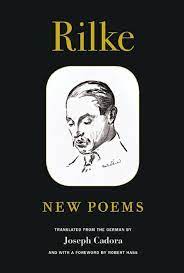
I’ve also started the poetry book I said I would pick up last week. It isNew Poemsby Rilke. Poetry isn’t typically in my wheelhouse, but I am enjoying it so far. I figure I can finish this one easily this week and should get my review up soon.
What have I just finished reading?
I have finished and reviewed Driftingby Steven M. Cross. You can find my review here. I will be getting my review up today (hopefully) for the audiobook version of How Lucky by Will Leitch. I found both of these to be incredibly enjoyable reads, and both are pretty short and quick reads if you have any time at all to devote to them. Time was difficult for me last week, so I was glad to have some quicker ones to make my way through.
What will I read next?
I’m excited to get back to Liane Moriarty next.Nine Perfect Strangersis so far the only published one of hers I haven’t yet read. I positively adore her work, so I’m really looking forward to diving into this one. On audio, I have yet to pick it out, so I’ll leave a little mystery for now! Thanks for reading, and look for a review to post in the next few hours as well.
Happy Reading!
This post contains affiliate links. I may receive a commission from purchases made through my site.
Published in May 2021, Driftingis the follow-up to writer Steven Cross’s young adult novel from 2019, Drowning. In the first book, we are introduced to Dean Knight, a young man who struggles to keep himself grounded as he comes to terms with mysteries of his past and his current mental health struggles. I definitely recommend beginning your journey with this series with the first book, though the second does give enough information to help the reader catch up, so it could be read as a standalone work.
Synopsis
Dean Knight wakes from a coma, miraculously so according to his Grandma Rose who claims she prayed him back to life. Dean at first remembers nothing of the events of his past, including the harrowing ordeal which nearly killed him. Upon waking, he finds himself restrained. He remembers he is “a danger to self and others.” Did he try to kill himself as everyone says, or should he remain open to the idea that someone else is responsible? All he knows is he has a grandmother who fought for him to live and a mother who would prefer he’d just died. He’s notified by his doctor, Dr. King, that he suffers from schizoaffective disorder, which basically combines all the worst parts of schizophrenia and mood disorders, like mania or depression. He is what his Grandma Rose would call “crazier than a shithouse rat.” Dean, haunted by his own returning memories and a mix of delusions and nightmares, will spend his coming days trying to make sense of it all. He will uncover mysteries about himself and his family, mysteries he’s not sure he wants to solve.
Along the way he’s assisted by people he doesn’t remember from his past, but he knows they are important to him. There’s Rocky, a girl he knows from his first stay at the mental health facility. There’s Ella, an enigmatic girl from school with whom he shares a complicated history but can’t quite recall. And there’s Dee, his sister. She’s not here but he doesn’t know why. He knows it was bad. Can he trust the people still in his life? Or will these enigmatic souls lead him back into the abyss to be swallowed by the monsters that have haunted him for years, the same monsters that swallowed his father many years ago. The novel alternates between the first person narration from Dean and a first person narration from Rocky who is dealing with her own mental anguish stemming from her long history of abuse, including the threats of abuse stemming from an individual currently in her home.
Review
There is so much to this book. First of all, I want to start off with some trigger warnings. This novel tackles some extremely heavy themes, and many scenes could be very distressing to certain readers. There’s sexual abuse, domestic violence, bullying, rape, talk of and depictions of suicide, among others. Everything is handled quite tastefully and with the utmost reverence, and I feel in the context of the story each of them is of vital importance. I never felt this novel verged over into gratuitous violence or sexual content. There are elements of horror, and this manifests as very detailed renderings of Dean’s imagined delusions and nightmares. These scenes are where Cross’s true writing ability shines, as he effortlessly employs imagery to deliver readers a frightening and realistic view of what it’s like to live within the confines of Dean’s hallucinations. Whether readers have experienced such a thing or not, they can easily place themselves within such a nightmare scenario. To quote my favorite line from Drowning, “words are just words until someone makes them live.” Cross may have been talking about a character from his book, but he could also say it about himself.
While I don’t have a long history, myself, of grappling with severe mental illness, I have read reviews from other readers who applaud Cross’s depiction of Dean’s struggles which truly did mirror their own in a way that was quite cathartic. This book does contain a very gripping, very raw, portrait of the loneliness, confusion, and self loathing that can accompany such a journey. So while I don’t feel I’m in the best position to critique Cross’s portrayal of this subject matter, I trust the opinion of other readers who rave about his ability to craft a truly authentic and beautiful story about navigating such trials. But this novel also explores the intense bond that can form between two people who are experiencing the same kind of psychological torment. In that respect, it’s very much about finding love and acceptance of oneself the way another person could. Cross has been very open in the past about his own personal struggles with mental illness, and he infuses his writing with that intimate knowledge and understanding.
Writer and Educator, Steven M. Cross, author of the young adult novels Drowning and Drifting, powerful novels about a young man’s mental health struggles. Cross lives in Poplar Bluff, Missouri, with his wife. He enjoys finally having time in retirement to focus on his writing endeavors. You can find him on Twitter @stevecrosswords and at his blog at The Old Goat.
Another thing Cross does extremely well is the narrative voice. Dean is a fabulous narrator, as his mere place as the protagonist in this story places us with a mystery to unravel. We want to be able to trust him, but Dean can’t even trust himself. He’s the quintessential unreliable narrator, as we are tasked with helping him discern the difference between his delusions and real memories. However, Dean is also a typical teenager in many respects. Just because he has a whole host of other issues doesn’t mean he’s saved from having the typical hurdles of your average teen. For instance, he has some serious girl troubles, though sometimes these also manifest in a rather interesting atypical fashion, especially when it comes to Ella.
Cross is extremely well-suited to writing this kind of book, as he’s a retired educator from a small Missouri town very similar to the one he uses for the setting of Drowning. As I grew up in this kind of town, as well, I can attest to the authenticity of this setting and of the characters that populate such a town. There’s a special kind of authenticity to the level of prejudice that permeates high schools in these kind of rural environments that Cross depicts in his book. Jock culture dominates, rape is still swept under the rug, and those who are labeled weaker are often silenced by those in positions of power. Cross is able to bring this to light without verging into stereotypes. Jerry and Brodie, for instance, are star members of the baseball team. Both boys excel at athletics, but they are hiding their romantic relationship from the other members of the team due to the prejudices that still permeate the community. Jerry, however, is also a talented member of the drama club, proving that high school students don’t have to be either a jock or a drama geek but they can have whatever combination of interests suit them. Also, to be clear, to me the word geek is anything but an insult.
I also want to touch on my absolute favorite character: Rose. Rose is an incredibly interesting woman. I would venture a guess that anyone who grew up in a small rural town like Dean’s knows at least one Rose. She’s the crass, wildly inappropriate, possibly crazy but incredibly genuine matriarch of the family. She’s not perfect, but when it all boils down to it she’ll be the last person still standing by your side despite all the bullshit you’ve put her through. She is probably the most authentic character in Cross’s story, and I love her for all her contradictions of personality. While she doesn’t always talk like the moral center of Dean’s universe, she always acts as the moral center, and that makes all the difference. She’s there for Dean in all the ways that truly matter, but she’s hands off enough to know when she needs to step back to make way for Dean’s own personal growth through experience.
If I had to nitpick, the only thing that moderately confused me from time to time was the delineation between the separate sections. There wasn’t really anything to set Rocky’s parts aside from Dean’s, so it takes the reader a moment to pick up on who is talking. Though it wasn’t so overt as to completely distract from the story.
Overall, I think this book has a very important place among other modern young adult novels in the literary canon surrounding mental health. It’s moving and extremely powerful, and it presents characters to which today’s youth can easily identify. I certainly hope to see the name Steven M. Cross pop up on more shelves in bookstores across the country. If you’d like to get a copy of either of these books on Kindle or in paperback, you can pick one up on Amazon at Cross’s author page.
⭐⭐⭐⭐⭐
Rating: 4.5 out of 5.
Published May 25, 2021 by Liminal Books. ISBN 9781950502363. 310 pages.
Thanks to Steven M. Cross and Liminal Books for a galley copy of the text in exchange for an honest reviews. This review contains affiliate links.
This week, once again, I haven’t added any new TBR’s. As a matter of fact, I converted a couple of TBR to “currently reading” so that brings me some extra progress. As it is, I’m sitting at 491 on my TBR shelf. Let’s get right to it! And the random number generator says…
Synopsis excerpt from goodreads: “A profound transition is taking place in our society, a revolution that is largely hidden, and led predominantly by women. A society once based on domination and power over others is beginning to crumble as an era of cooperation and community emerges, founded on the principle that power should only be exercised with and for others. This is the inspiring, central message of this compelling narrative that weaves together the stories of sixty successful women from all walks of life and throughout the world. The author spent several years in eight countries interviewing these dynamic female role models: businesswomen, CEOs, a Congresswoman, a governor, an ex-Prime Minister, a Pulitzer Prize finalist, a Nobel Peace Prize laureate, a winemaker, artists, doctors, nurses, and many others. The author calls these women “Iron Butterflies” because they meld a will of iron with the gentle, nurturing touch of a butterfly. With disarming candor, these women talk about their struggles, their fallibilities, and their strengths in the journey to the top of their professions. Forging their leadership from an amalgam of masculine and feminine skills, all of these Iron Butterflies have transformed themselves and in doing so they are contributing to a larger social transformation…”
Verdict: While I do find the subject matter for this to be extremely compelling, it only has 12 reviews to go on and they are average. Considering I don’t often gravitate toward nonfiction, in general, I think I will remove this one.
Synopsis from goodreads: “Abby Sorrensten likes to play rough. Ripping the horns off the foreheads of demons, manipulating lightning and setting things on fire with the flick of your wrist can give you a serious rush. So she probably wasn’t the best choice for the Order’s experimental training program. Thirteen years of isolation, lack of affection and a bruised and broken body from horrendous training sessions creates more than just an exceptional fighter. It creates an evil within – an evil responsible for several deaths the night she left.
Two hundred years later Abby resurfaces as the very thing the Order trained her to kill: a vampire. A mythical demon has set his sights on the school and only the ordained hunter has the powers to face it. Unbeknownst to the Order, Abby’s their precious ordained one and their only chance for survival. As much as she would love to leave them hanging, she’s not willing to risk the life of Emily, a fellow friend and hunter also fed up with the organization.
But for Abby, locking herself away in a fortress with angry descendents of those she killed causes suspicions and tensions to run high. Abby must learn the demon’s weaknesses for battle before the Order learns hers.”
Verdict: This strikes me as a book that must have been added as the result of a giveaway. It’s not really the type of book that’s just begging me to read it. That coupled with the fact that the reviews are merely average has led me to remove it.
Synopsis excerpt from goodreads: “An inspiring and intimate self-portrait of a champion of equality that encompasses her brilliant tennis career, unwavering activism, and an ongoing commitment to fairness and social justice.”
Verdict: I’m torn on this one. On the one hand, I love inspiring stories about women who break barriers and defeat sexism to rise in the ranks in male dominated fields. On the other hand, I really couldn’t give two figs about sports and don’t really enjoy sports memoirs. Since I’m feeling particularly brutal today, I think I’ll remove this one.
Synopsis from goodreads: “Adrift after her sister Bailey’s sudden death, Lennie finds herself torn between quiet, seductive Toby—Bailey’s boyfriend who shares her grief—and Joe, the new boy in town who bursts with life and musical genius. Each offers Lennie something she desperately needs… though she knows if the two of them collide her whole world will explode.
Join Lennie on this heartbreaking and hilarious journey of profound sorrow and mad love, as she makes colossal mistakes and colossal discoveries, as she traipses through band rooms and forest bedrooms and ultimately right into your heart.
As much a celebration of love as a poignant portrait of loss, Lennie’s struggle to sort her own melody out of the noise around her is always honest, often uproarious, and absolutely unforgettable.”
Verdict: This YA novel has pretty good reviews, and it’s been compared to Before I Fall, which I remember liking a while ago. I think I’ll go easy on this one for now and keep it on my list.
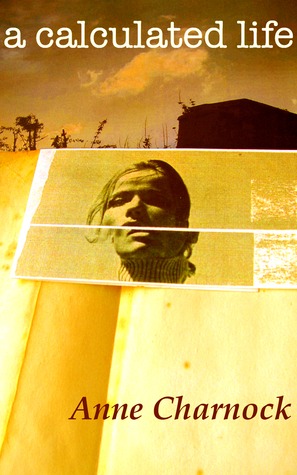
Synopsis from goodread: “A Calculated Life is a dystopian vision of corporate life later in the 21st century when big business and state institutions are thriving thanks to a compliant, stratified and segregated workforce. Hyper-intelligent professionals live in affluence within the metropolis while menials live out in the subsidized, but spartan, enclaves. There are upsides for everyone. Advances in genetic engineering have freed the population from addictive tendencies. Violent crime is a rarity. Mayhew McCline, a corporation that detects global trends, recruits a young woman, Jayna, who instantly becomes the firm’s star performer. No one seems to be jealous. After all, she guarantees they all make their bonuses. Despite her flawless track record, Jayna is feeling twitchy. She knows she’s making stupid mistakes. But no one has noticed, yet. Working on a hunch that she’s too sheltered from real-world unpredictability, she embarks on an experiment to disrupt her prescribed daily routine. Unwittingly, she sets a path that leads to clandestine forays beyond the metropolis, forbidden relationships and disloyalty.”
Verdict: This looks so interesting. The reviews are very mixed, but they are mixed reviews that actually make the book more appealing because they seem to be purely based on reader interpretation and taste. Some people seem to “get” what Charnock was trying to do but others felt it fell short. This sort of makes me want to read it more to see where I fall into the mix. I will keep this one for now.
KEEP
That’s it for today! Final total is 488. I will have two reviews to post soon so stay tuned. Happy Reading!


 Frankenstein by Mary Shelley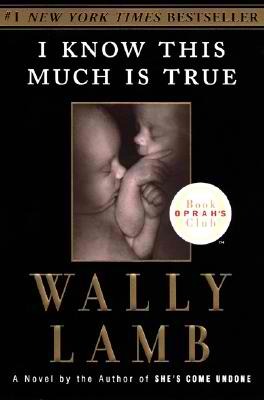
 Shadow of the Wind by Carlos Ruiz Zafon
 The Poisonwood Bible by Barbara Kingsolver
 The Picture of Dorian Gray by Oscar Wilde
 Jane Eyre by Charlotte Bronte
 Big Little Lies by Liane Moriarty
 Project Hail Mary by Andy Weir
 The Thirteenth Tale by Diane Setterfield
 The Sparrow by Mary Doria Russell
 In the late 1800’s and early 1900’s, a woman by the name of Belle Gunness, a Norwegian immigrant born Brynhild Paulsdatter Storset, quietly terrorized Chicago and La Porte, Indiana. It is now thought Gunness may have been responsible for the deaths of up to 40 people. Having never been caught, much of the facts of Belle’s story are the result of speculation.
 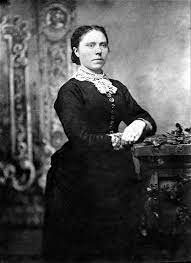 From my own independent research into Gunness, I would say Bruce has done a pretty fabulous job of piecing together a possible historical timeline. She mostly sticks to facts as they are known for the story but she does add her own embellishments here and there. I won’t say what it is, but there is one fact to the conclusion of Belle’s story I always found so horrifying as to have difficulty believing it’s true, and Bruce explains this in a way I found believable but also retains what small shred of humanity Belle had left in my mind.
 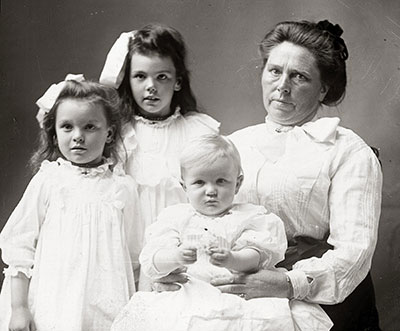 Belle is presented as someone incapable of loving anyone the way she loves herself. However, she is able to fake it in an expert fashion. She’s the ultimate charlatan, duping literally everyone she comes into contact with save for one person who recognizes her for what she is.
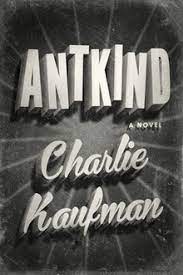
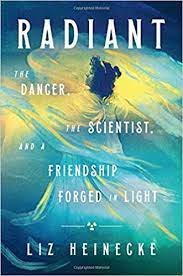 I have so much out from the library at the moment and I really need to get moving on it all. Next I’m going to pick up Radiant: The Dancer, the Scientist, and a Friendship Forged in Light by Liz Heinecke. This book is historical nonfiction and follows a unique friendship between Marie Curie and dancer and choreographer with an interest in science, Loie Fuller. I stumbled across it on the shelf and thought it looked like a fascinating piece of women’s history to which I’m not that well-versed. I hope to finish my other read and start this one tomorrow.
  Never Saw Me Comin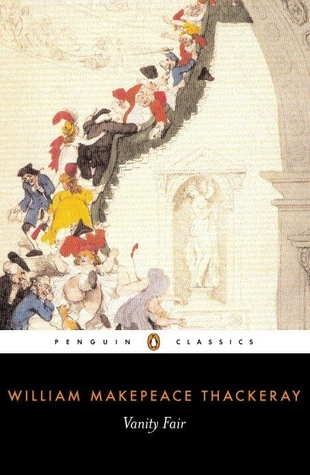


 This year for the reading challenge, I was challenged to pick up an old favorite book from childhood. When I think about authors whose books I enjoyed as a kid, several names come to mind. Among them: Beverly Cleary (I almost chose The Mouse and the Motorcycle), Lois Lowry, and, of course, Judy Blume. I recently picked up a Judy Blume box set for my daughter at a library book sale, and I hope she’ll one day like them as much as I did. Nobody spoke to the childhood fears and anxieties like Judy Blume. Tales of a Fourth Grade Nothing was one of my favorites, and I’m not really sure why. First of all, I was the younger kid, unlike Peter. And second of all, as a girl I didn’t have exactly the same experience as a 9-year-old boy. Honestly, I was probably a lot more like smarty-pants Sheila. I’m sure someone thought I was annoying and pretentious, though I didn’t run around talking about cooties all the time. Not that I remember, anyway.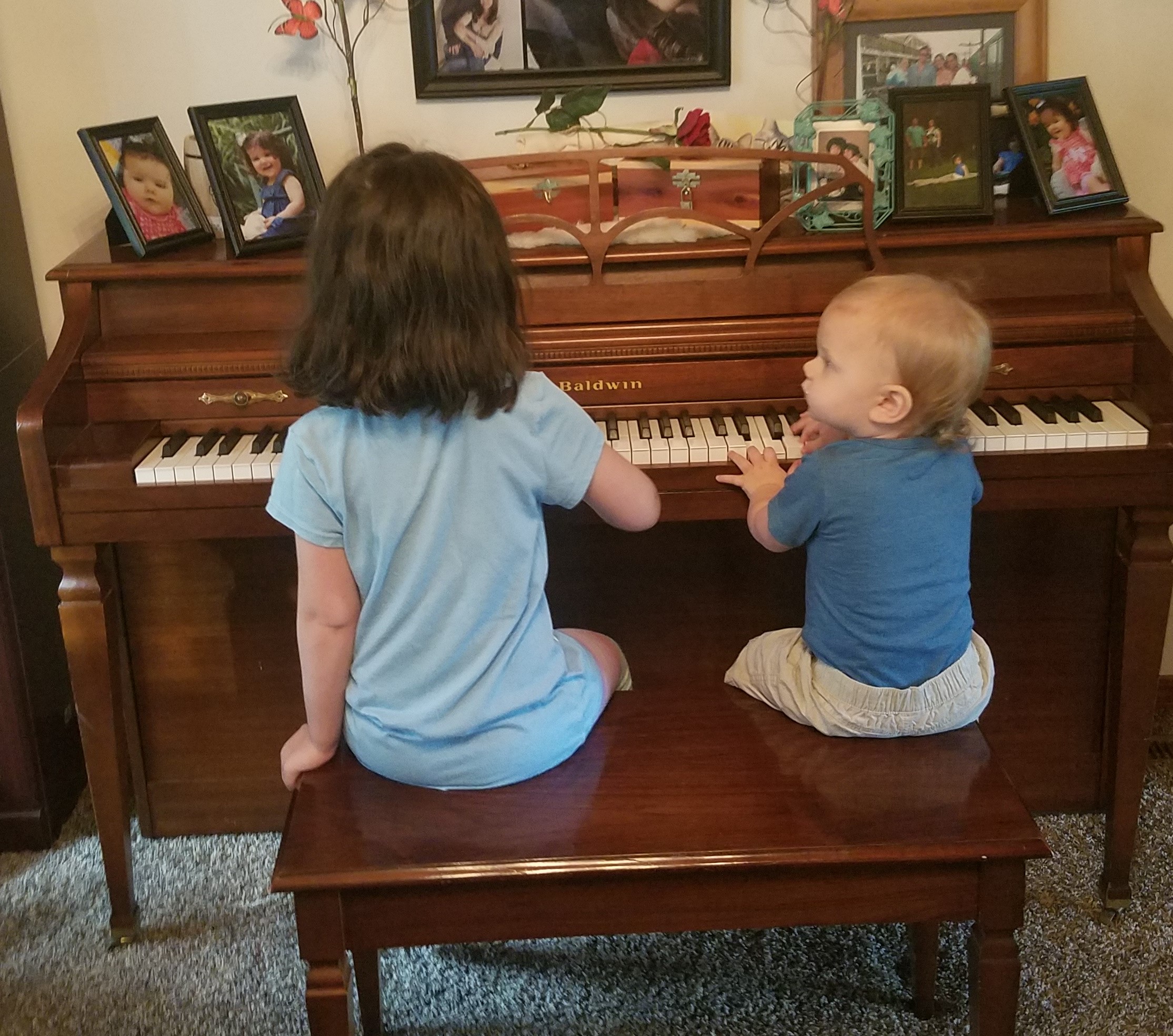
 I stumbled upon this book in the overdrive app and thought the cover looked quite appealing and enigmatic. I’m glad I read it, because it was a nice engaging read, and it was very short so it served as an excellent buffer prior to me starting my current arduous journey through Charlie Kaufman’s brain in Antkind. I will warn you, this review verges slightly into the realm of the spoiler, though I do refrain from giving away anything in regard to the conclusion. But if you’re one of those readers who detests for anyone to give ANYTHING away about where the plot leads at any point, proceed with caution.
  I find myself still a bit stuck on a couple of books. Still on my hiatus from
  That being said, I’m not going to say yet whether I like Antkind, and I’m not ruling out the prospect that I could wind up loving it by the end. Perhaps Kaufman has once again pulled of a feat of philosophical brilliance that will change the modern world of literature. Or maybe I’ll want to punch him in the face. The jury is still out.
  I made literally no progress in my physical read this week, which is disappointing and not at all a reflection of the book. So I’m still reading
  I have finished and reviewed
  I’m excited to get back to Liane Moriarty next.
 Synopsis excerpt from goodreads: “A profound transition is taking place in our society, a revolution that is largely hidden, and led predominantly by women. A society once based on domination and power over others is beginning to crumble as an era of cooperation and community emerges, founded on the principle that power should only be exercised with and for others. This is the inspiring, central message of this compelling narrative that weaves together the stories of sixty successful women from all walks of life and throughout the world. The author spent several years in eight countries interviewing these dynamic female role models: businesswomen, CEOs, a Congresswoman, a governor, an ex-Prime Minister, a Pulitzer Prize finalist, a Nobel Peace Prize laureate, a winemaker, artists, doctors, nurses, and many others. The author calls these women “Iron Butterflies” because they meld a will of iron with the gentle, nurturing touch of a butterfly. With disarming candor, these women talk about their struggles, their fallibilities, and their strengths in the journey to the top of their professions. Forging their leadership from an amalgam of masculine and feminine skills, all of these Iron Butterflies have transformed themselves and in doing so they are contributing to a larger social transformation…”


 A Librarian and Her Books