
 It’s 1948, and Irene Willard finds herself left at the doors of an old mansion-turned hospital. All women at this hospital, like her, have only ever experienced the heartbreak of lost pregnancy and are desperate to deliver to their husbands that gift of a child. Under the care of an enigmatic husband and wife duo of doctors, the women undergo experimental treatments that promise to bring their pregnancies to term. As Irene’s pregnancy progresses, strange things begin happening at the hospital. She will find herself doubting both her own sanity and everything she’s been promised by the doctors.
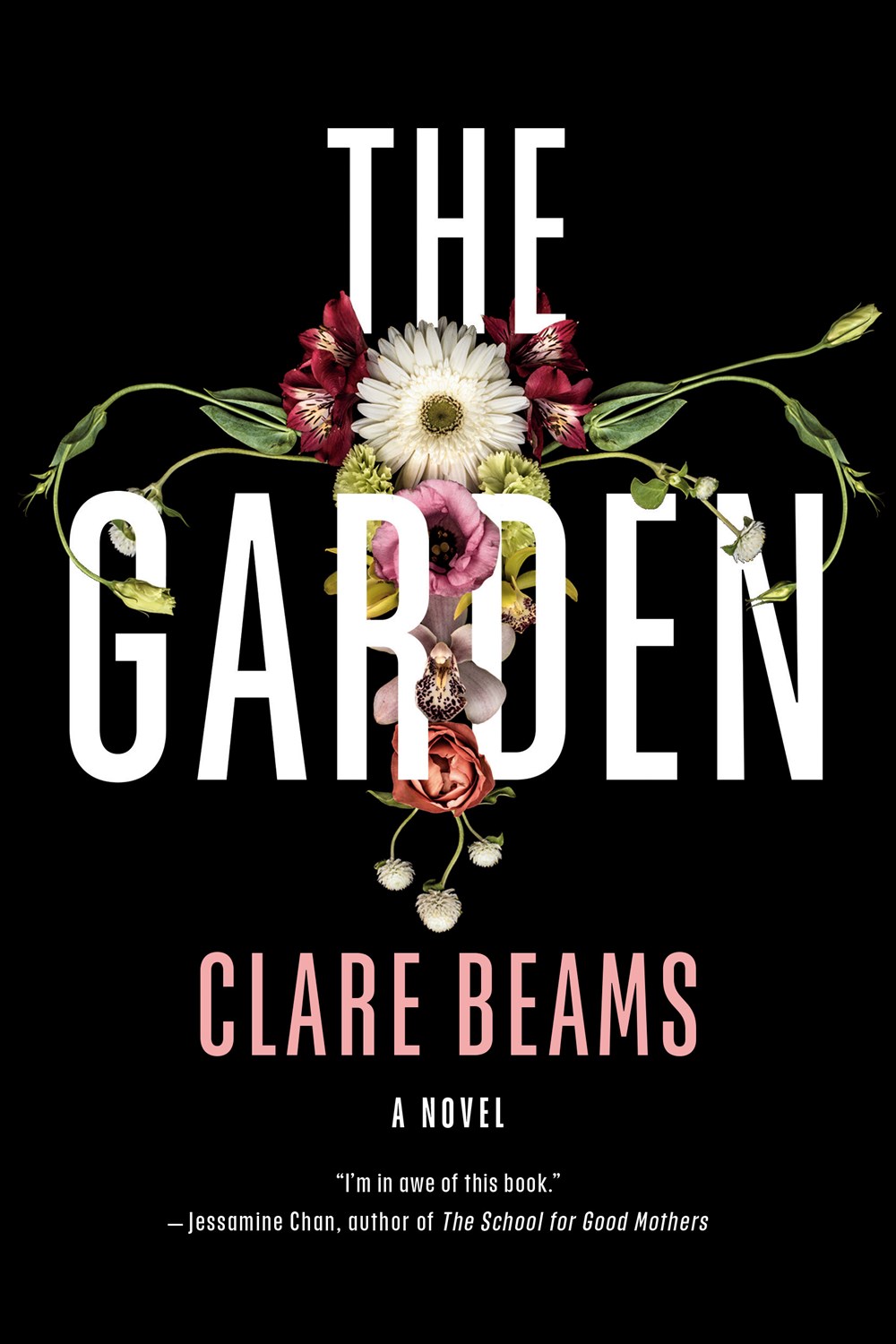
First of all, this book is not for everyone. It has a sleepy, ethereal style of prose. Irene is a frustrating main character, at first acerbic and cold. As we peel away her layers, it’s easier to see the depth of her discomfort with her given lot in life and the situation in which she finds herself. There are some compelling supernatural elements that contribute to Irene’s spiraling psychological state, or so it would seem at first. I feel like the build-up of the creep factor had promise. The setting helped usher this along. The symbolism of the unkempt garden as giver-of-life or bringer-of-death was certainly not lost on me. Though the uterus-shaped flower on the cover is a not-so-subtle clue of this as well.
What I appreciated most about this was the undercurrent of feminism and the psychology behind a woman’s worth being completely tied up in her ability to bear children. It’s 2024 and we still find ourselves in a time in which the powers at be wish to control what happens within a woman’s uterus. In that respect, this is a very timely book.
Unfortunately, I don’t feel that the end of this book did justice to the intended message. It’s hard to explain why I felt that way without giving too much away, but it would certainly be an interesting topic of discussion for book clubs. Novels like this are always up to reader interpretation, so it’s quite possible a different reader would take a completely different view. Thematically, this book is rich with symbolism, and it inspires a real feeling of dread throughout. Beams did a great job of making the house and garden a living, breathing character complete with a cancerous history that haunts the halls. It’s really quite a beautiful concept in hindsight, but I can’t say that reading this novel was explicitly enjoyable.
Overall, I really appreciate what this novel has to offer, but I don’t see it being on my list for a re-read.
Published April 9, 2024 by Doubleday. ISBN 9780385548182. Hardcover. 304 pages.

 A Librarian and Her Books